Need a full custom project? See the options below.
Need a full custom project? See the options below.
Papers abstract:
A Finite Element procedure was used to investigate the reinforcement load and the deformation mode for geosynthetic-reinforced soil (GRS) walls subject to seismic loading during their service life, focusing on those with marginal backfill soils. Marginal backfill soils are hereby defined as filled materials containing cohesive fines with plasticity index (PI) >6, which may exhibit substantial creep under constant static loading before subjected to earthquake. It was found that under strong seismic loading reinforced soil walls with marginal backfills exhibited a distinctive “two-wedge” deformation mode. The surface of maximum reinforcement load was the combined effect of the internal potential failure surface and the outer surface that extended into the retained earth. In the range investigated, which is believed to cover general backfill soils and geosynthetic reinforcements, the creep rates of soils and reinforcements had small influence on the reinforcement load and the “two-wedge” deformation mode, but reinforcement stiffness played a critical role on these two responses of GRS walls. It was also found that the “two-wedge” deformation mode could be restricted if sufficiently long reinforcement was used. The study shows that it is rational to investigate the reinforcement load of reinforced soil walls subject to seismic loading without considering the previous long-term creep.
Product Overview:
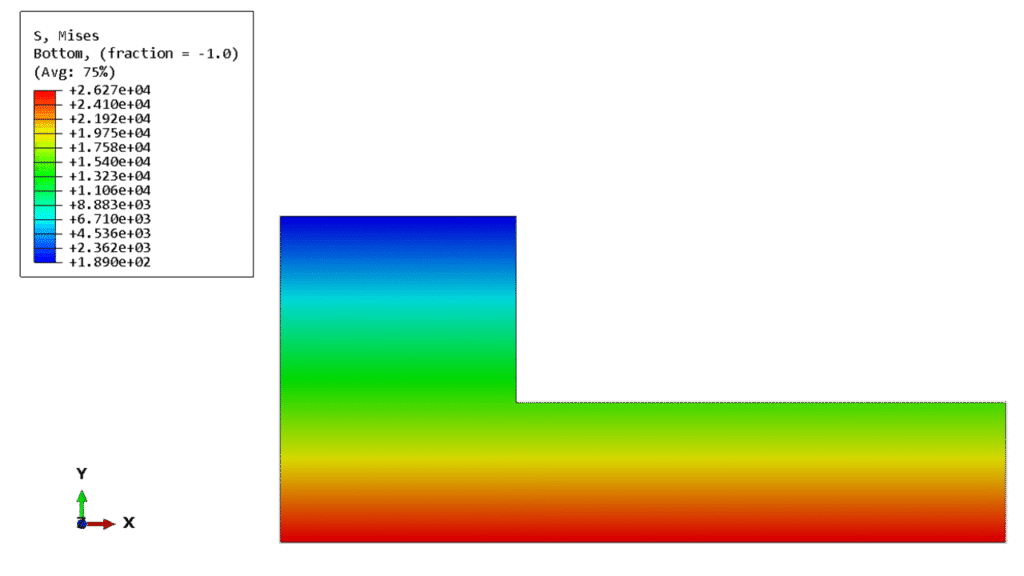
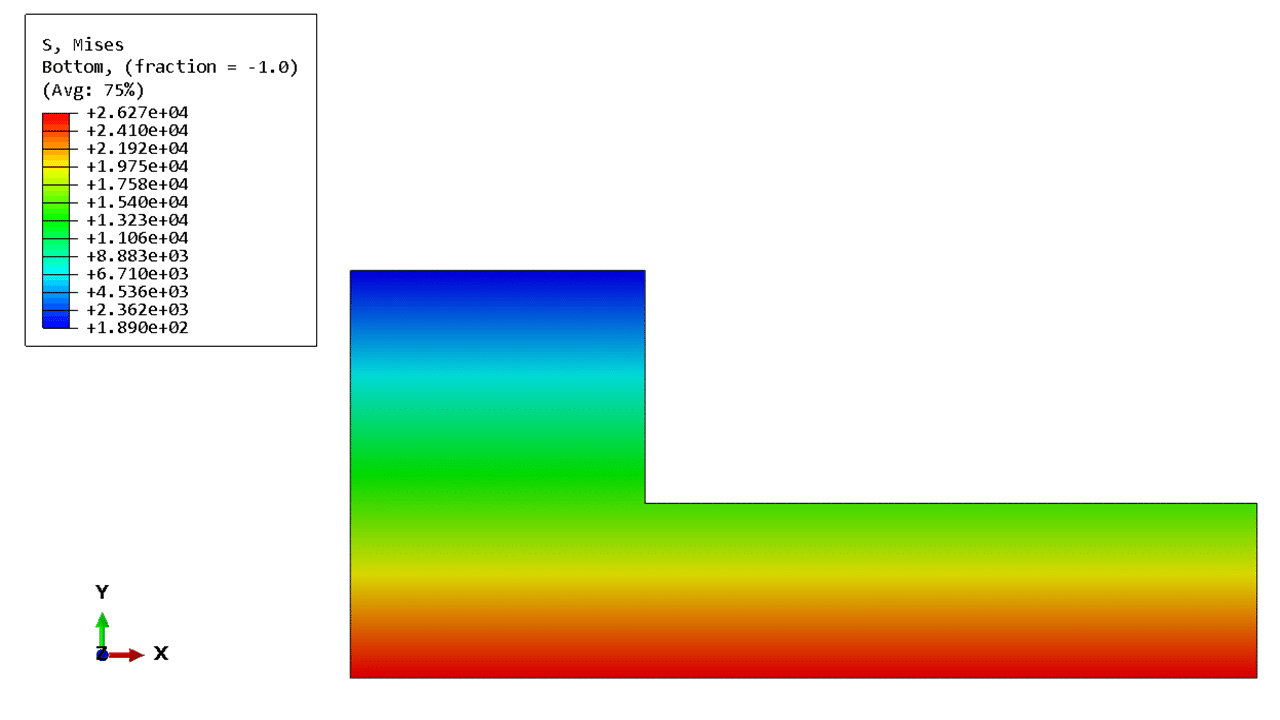
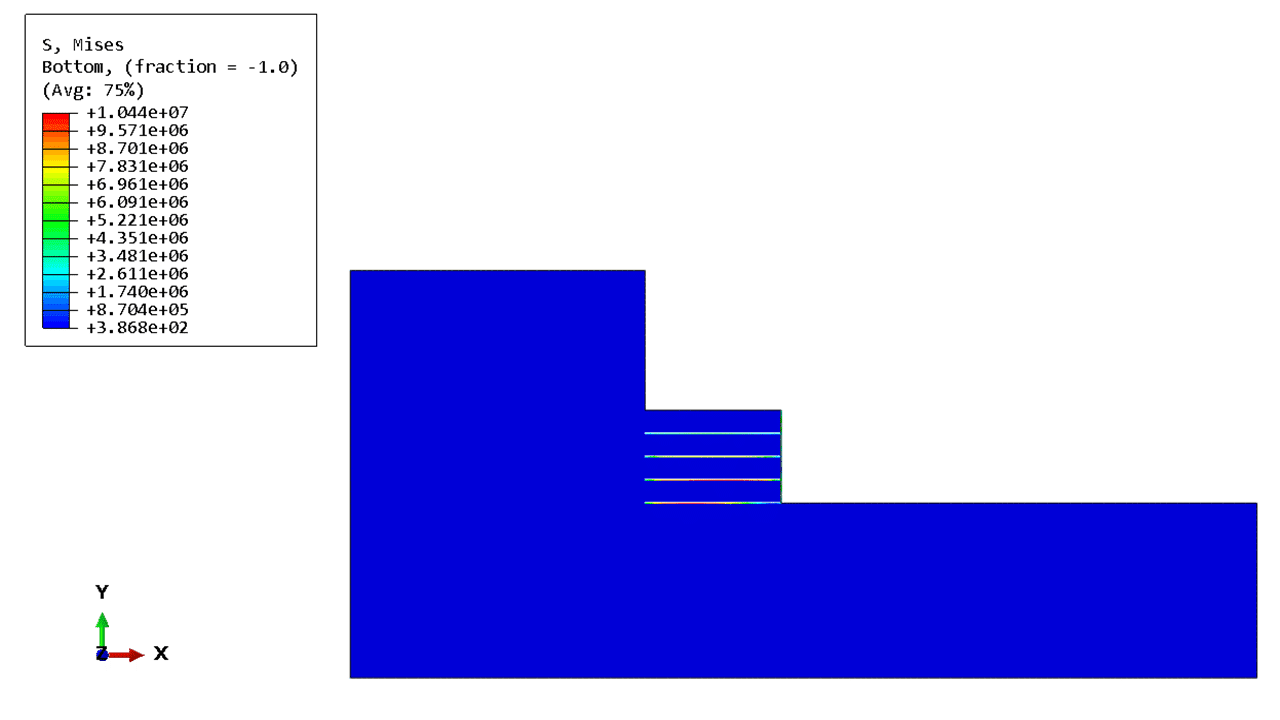
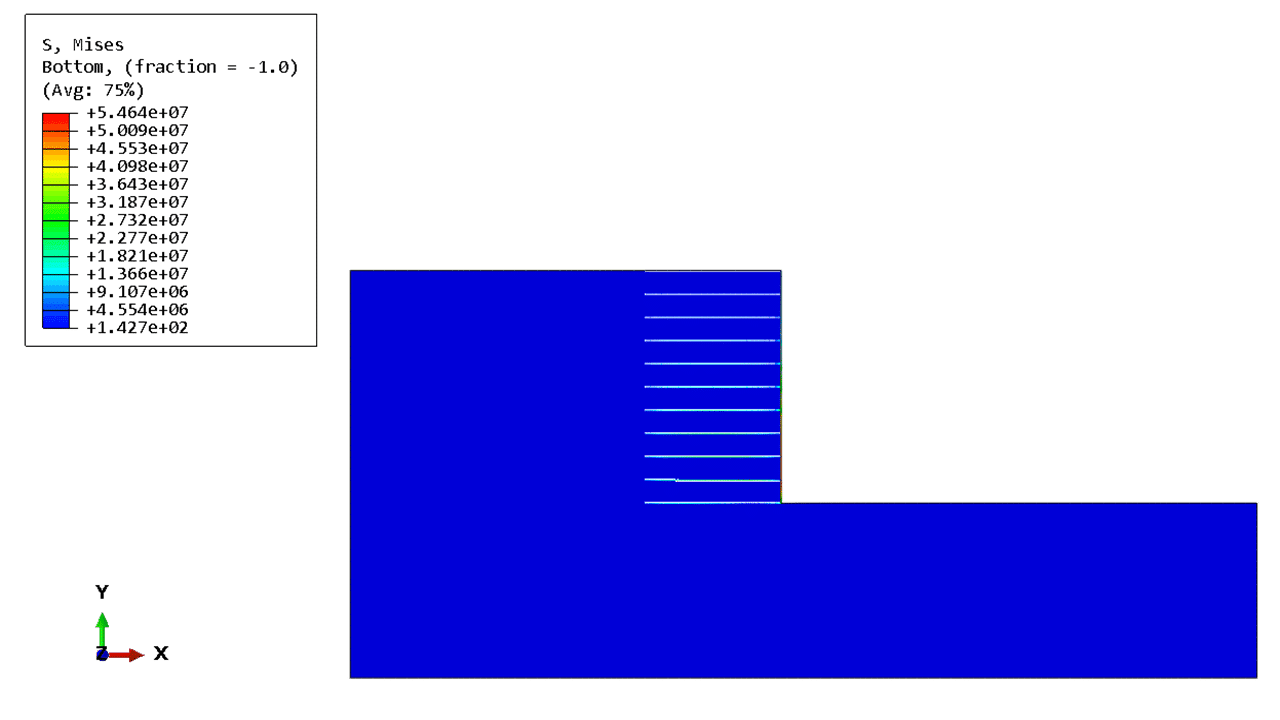
This tutorial examines the deformation mode of geosynthetic-reinforced soil (GRS) walls (with marginal backfill soils), and the reinforcement load under seismic loading during their service life. Also, it’s identified that how the creep (time-dependent deformation) influences the response, and the role of reinforcement stiffness and length in controlling seismic performance. Key simulation steps include:
In this tutorial, the Reinforcement load and deformation mode of geosynthetic-reinforced soil walls simulation results, was reconstructed according to data from the work of Liu et al.
Need more than the files?
There are two ways we can help. Book a one hour online consultation if you want to talk a problem through with a CAE engineer, using the checkbox in the order box. Order a project if you need a full simulation built for you, delivered to an agreed scope, price and deadline under a written contract.
We work on FEA and CFD for engineers, researchers and companies. Order your project, or message us on WhatsApp for a quick reply.
Other packages engineers working on this topic also download.
 Earthquake and seismic analysis of geosynthetic-reinforced soil
 Soil Analysis package
 Blade creep study with side-by-side built-in vs custom creep models
 Pipe and Pipeline Simulation Package in Abaqus (21 Models)
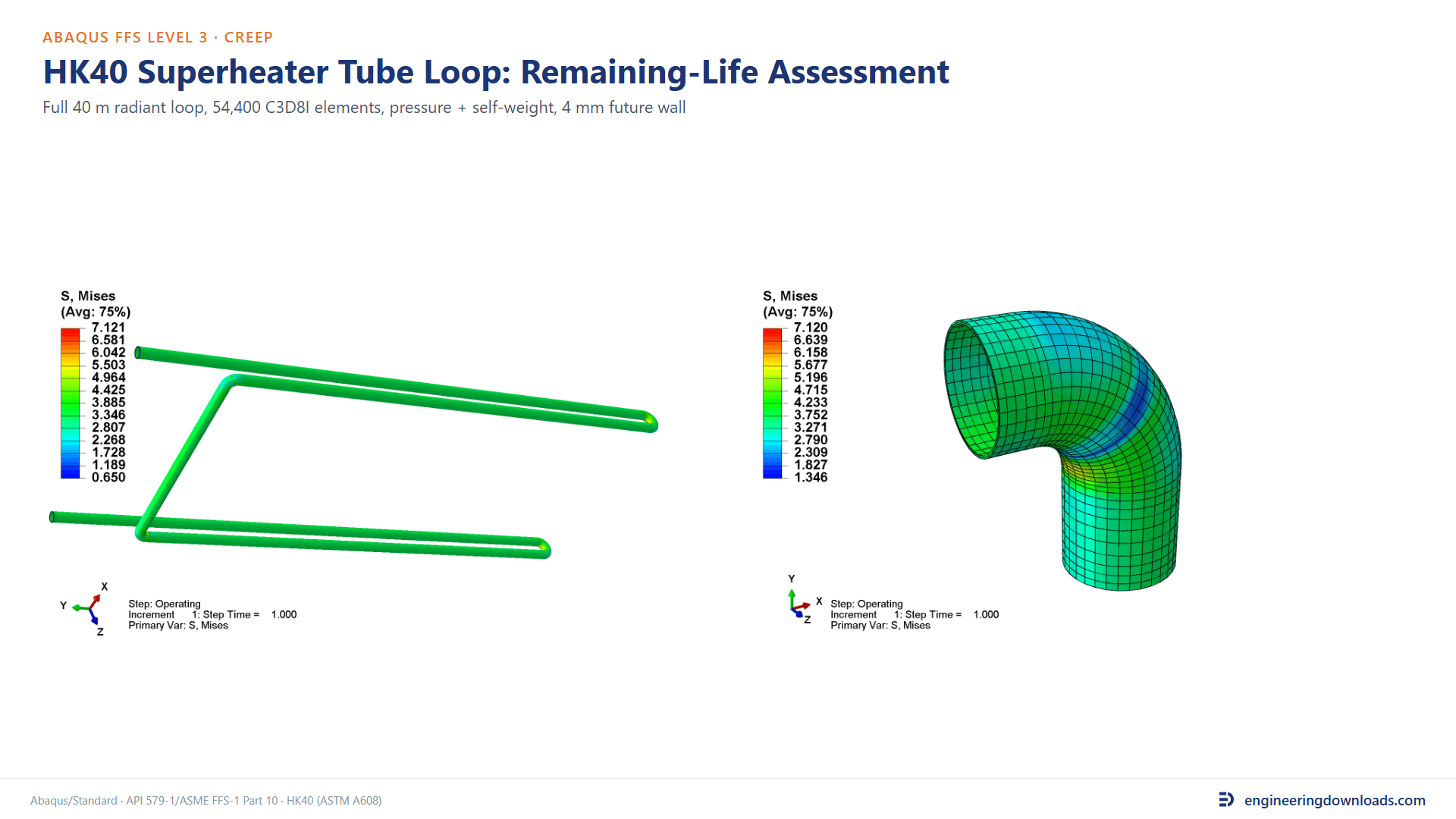 HK40 Superheater Tubes: API 579 FFS Level 3 and Creep Remaining Life in Abaqus€139,00
 Creep in Abaqus: Norton and Combined Time Hardening Subroutine with Cyclic Hardening and Heated Plate Models (Inal 2023)€149,00
 Theta Projection Creep in Abaqus: MAR-M247 and GH-4169 Subroutines, Rotating Sectors and Two Gas Turbine Blade Models (Varadhayamunan 2023)€149,00
 API 579 Example 10.1 in Abaqus: Vessel Creep After a Temperature Excursion, Omega Damage Model and One-Click Python Check€129,00

Need a full custom project? See the options below.

€129,00

€179,00

€149,00

€119,00

€129,00
See more
Want to receive push notifications for all major on-site activities?