

FEM Fundamentals: A Practical Engineer’s Guide to FEA

As engineers, we constantly seek to understand how structures and components behave under various conditions. We want to predict stress, deformation, temperature distribution, and fluid flow with precision before a single prototype is built. This is where the Finite Element Method (FEM) steps in, serving as the bedrock for modern simulation tools like Finite Element […]
FEA for Fatigue Life Prediction: A Practical Guide
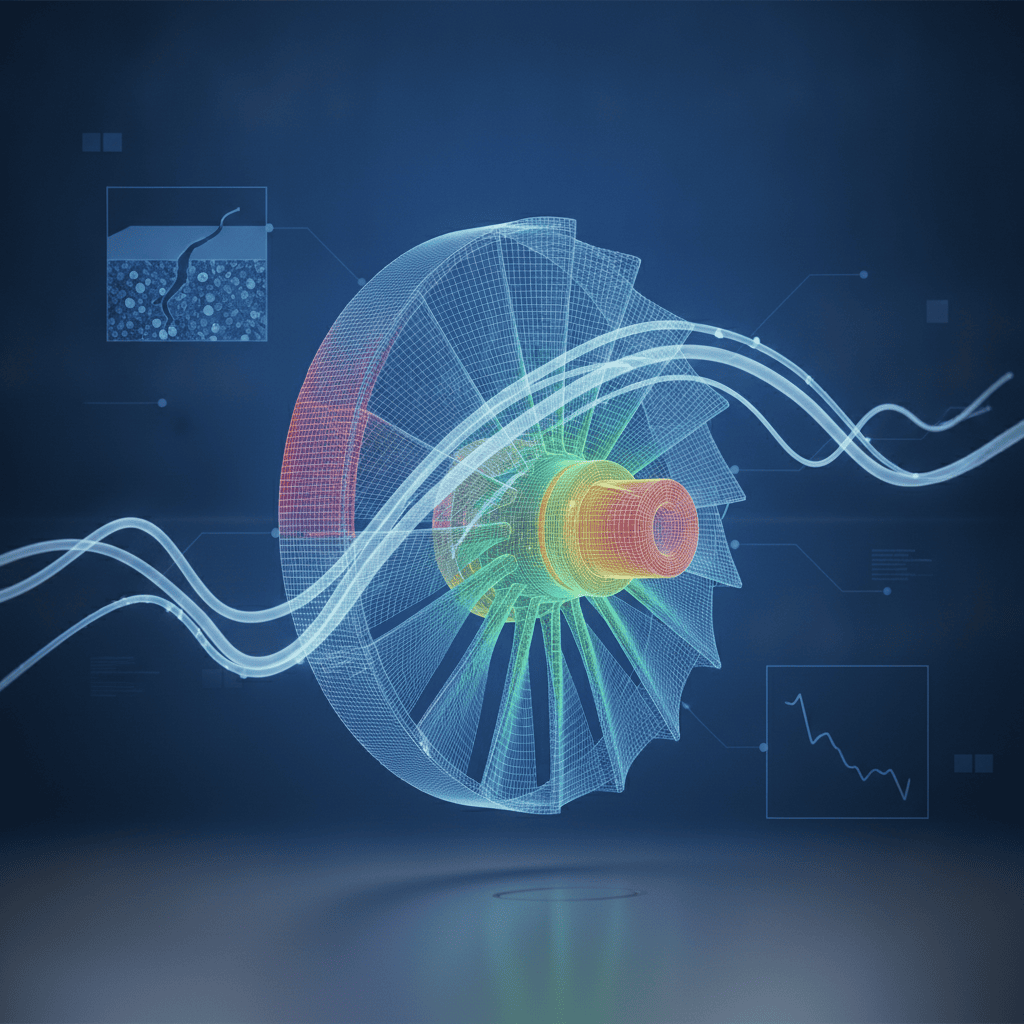
Fatigue failure is a silent killer in engineering, responsible for a significant percentage of component and structural failures. Unlike sudden brittle fracture, fatigue damage accumulates over time, often without visible warning signs, until a catastrophic failure occurs. For engineers working in fields from aerospace to oil & gas, understanding and predicting fatigue life is paramount […]
Hybrid Initialization: Boost CFD & FEA Convergence & Accuracy
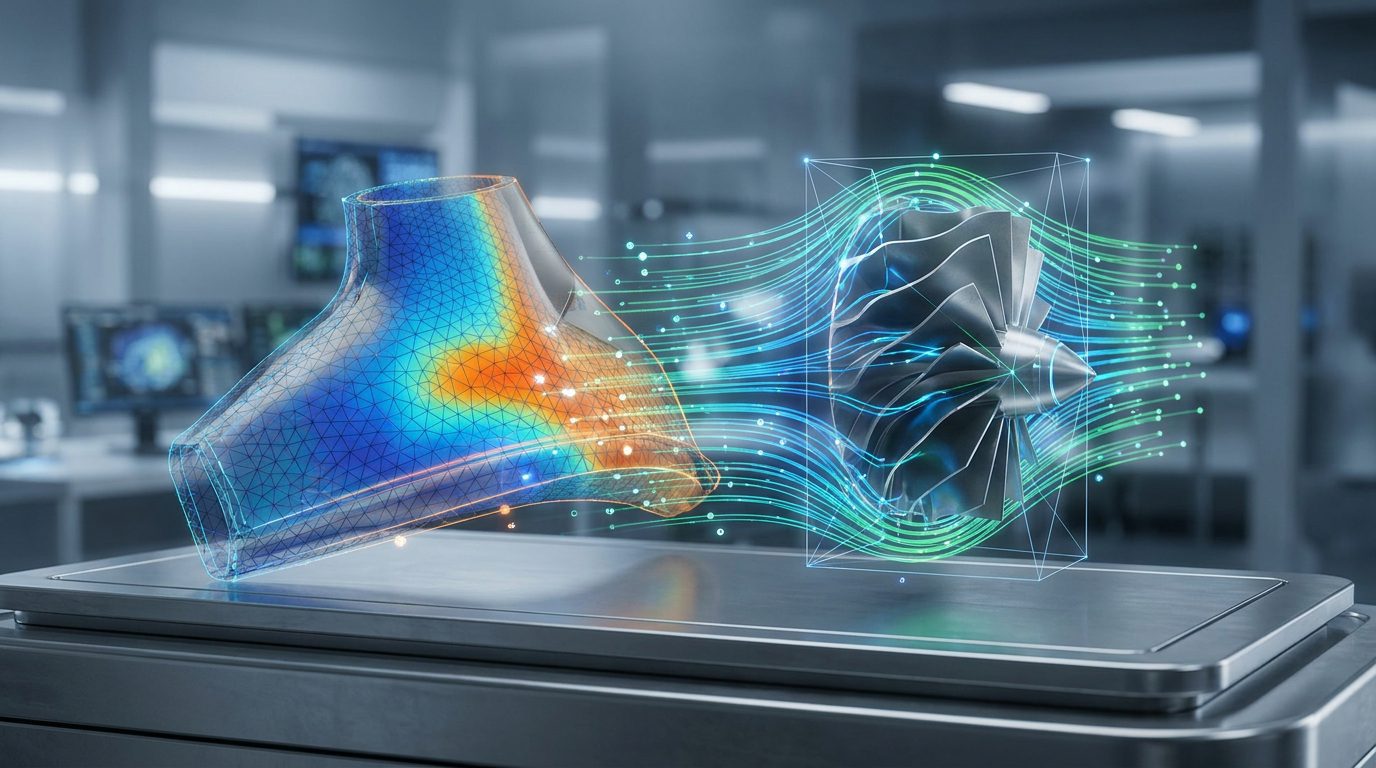
In the world of computational engineering, achieving robust and efficient simulations is paramount. Whether you are tackling complex fluid dynamics (CFD) or intricate structural mechanics (FEA), the initial conditions you set can make or break your analysis. This is where Hybrid Initialization steps in as a powerful technique to accelerate convergence and enhance the reliability […]
Mastering the Finite Element Method: An Engineer’s Guide
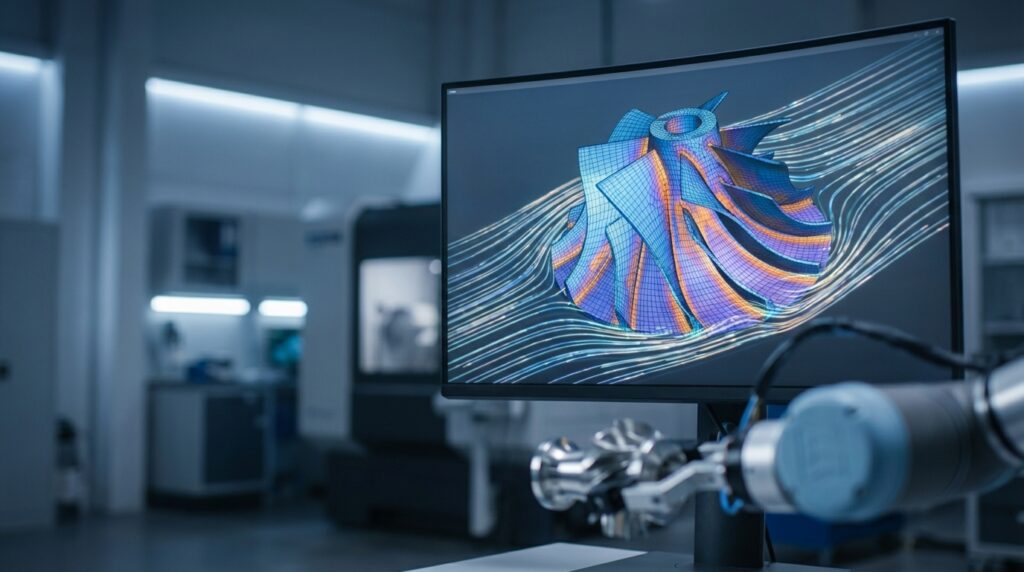
The Finite Element Method (FEM), commonly implemented through Finite Element Analysis (FEA) software, stands as a cornerstone in modern engineering. It’s a powerful computational technique that allows engineers to predict how a product reacts to real-world forces, heat, fluid flow, and other physical effects. Rather than building and testing countless physical prototypes, FEM enables virtual […]
FEA for Structural Integrity: Practical Guide for Engineers

Finite Element Analysis (FEA) has transformed how engineers approach structural integrity assessments. From aerospace components to oil & gas pipelines, understanding how structures behave under various loads is paramount. This guide will walk you through the practical aspects of using FEA to ensure the safety, reliability, and longevity of your designs, moving beyond theoretical concepts […]
Mastering FEA for Stress Analysis: A Practical Engineer’s Guide
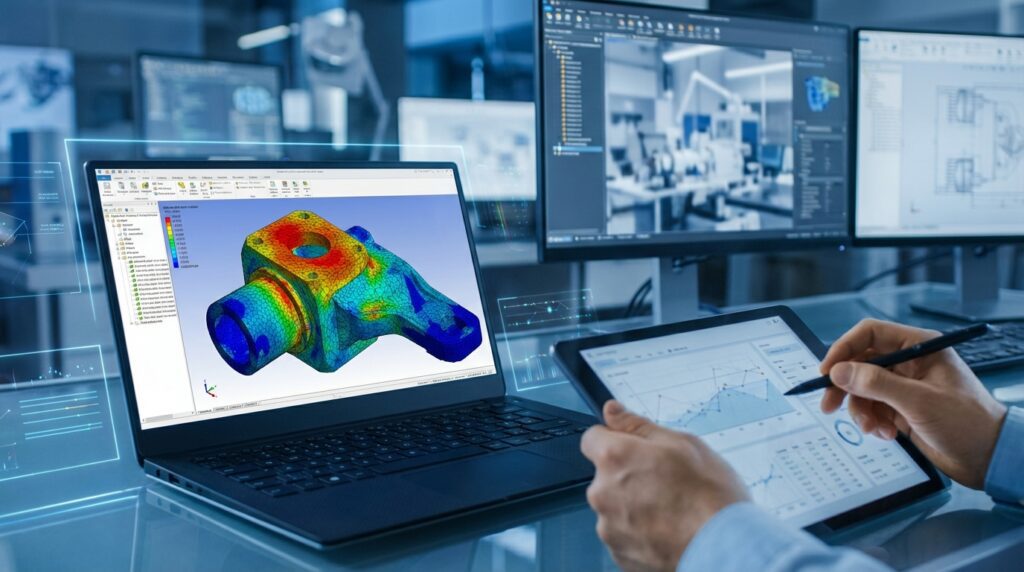
Finite Element Analysis (FEA) has revolutionized how engineers approach structural design and integrity assessment. For any aspiring or seasoned engineer working in fields like aerospace, automotive, oil & gas, or biomechanics, a solid grasp of FEA for stress analysis isn’t just an advantage—it’s a necessity. This comprehensive guide provides a practical, engineer-to-engineer perspective on mastering […]
Predictive Corrosion Modeling in Pipes and Vessels Using AI and Finite Element Methods
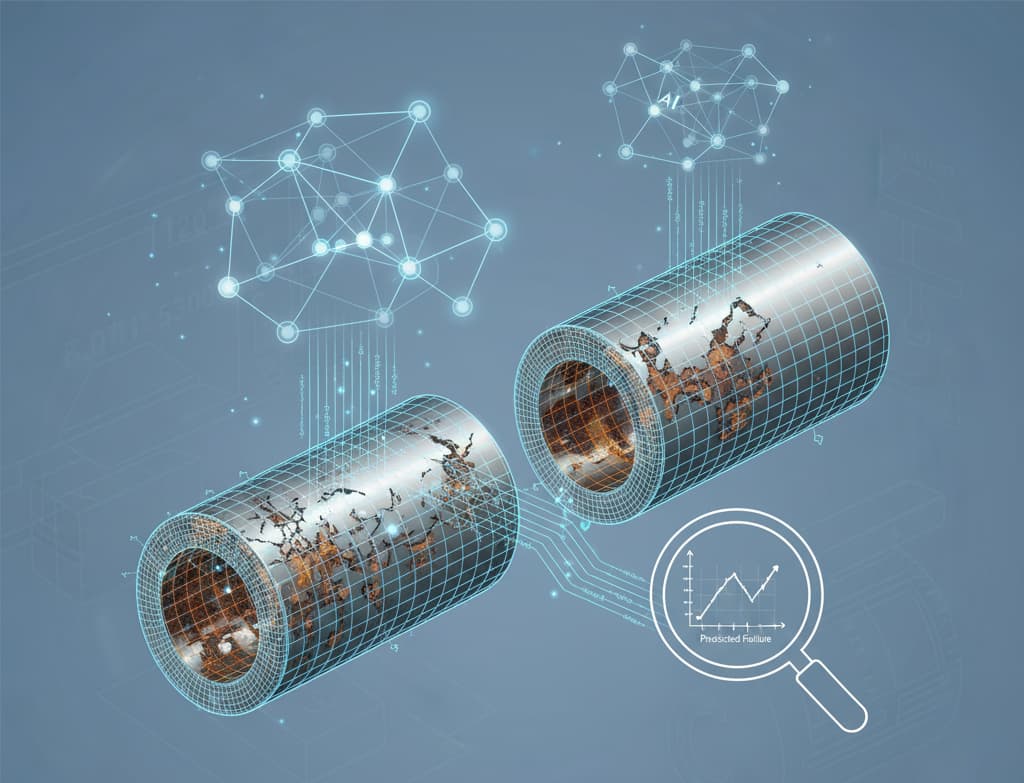
Revolutionizing Corrosion Simulation in Pipes and Vessels: Leveraging AI and FEM Software for Accurate Predictive Maintenance Corrosion is one of the most challenging issues in engineering, especially when considering its long-term impact on the integrity of critical infrastructure, such as pipes, pressure vessels, and marine structures. The need for advanced methods to simulate corrosion and […]
Hydrogen Embrittlement in Metals: Causes, Simulation, and Prevention

Hydrogen embrittlement (HE) is a phenomenon where metals become unexpectedly brittle and crack due to the absorption and diffusion of hydrogen atoms into the material. Essentially, hydrogen infiltrating the metal reduces its ductility and fracture toughness, so that even below the normal yield strength the material can fracture in a brittle manner. This insidious form […]
Abaqus vs ANSYS: Which Simulation Software Is Better in 2025?

Introduction In modern engineering workflows, simulation tools are indispensable. They enable engineers to virtually test designs under various conditions, reducing the need for costly physical prototypes and accelerating innovation. Two of the leading finite element analysis (FEA) platforms are Abaqus and ANSYS, each with decades of development behind them. In 2025, these tools remain at […]
How FEM is changing biomechanics
Intro Finite-element modeling (FEM) gives engineers and clinicians a virtual lab for the body. Instead of cutting bone or running many costly experiments, we build digital bones, discs and implants, apply realistic loads, and watch how the parts behave. This helps teams design safer implants, plan surgeries, and teach students — all while saving time […]