Need a full custom project? See the options below.
Need a full custom project? See the options below.
Papers abstract:
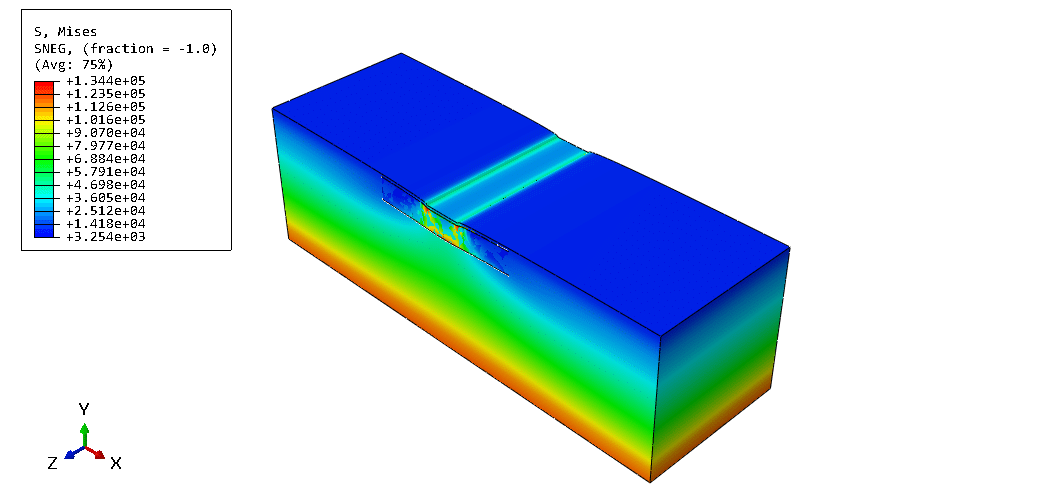
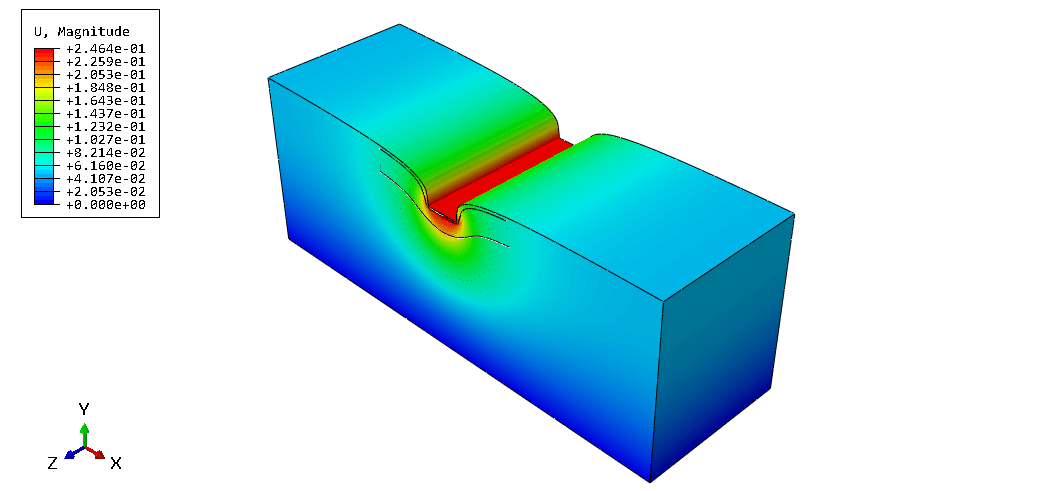
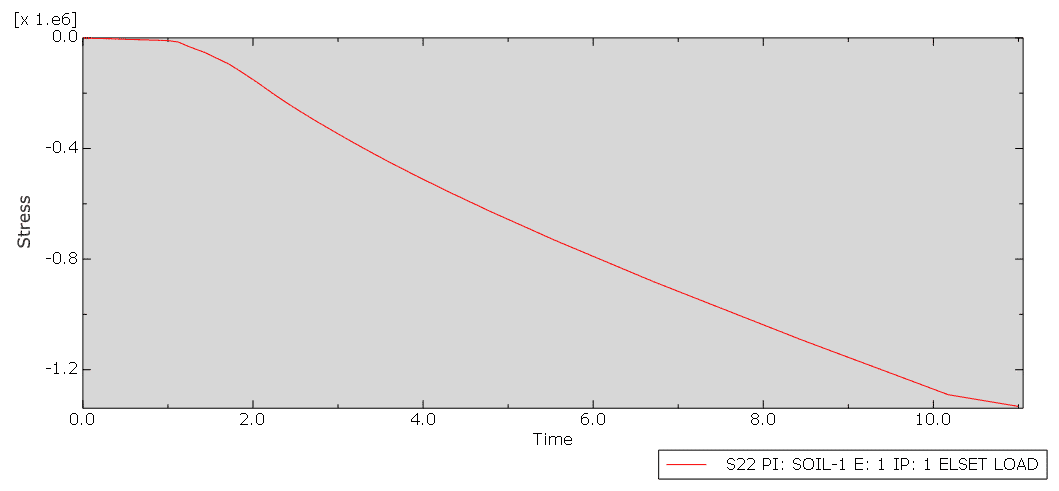
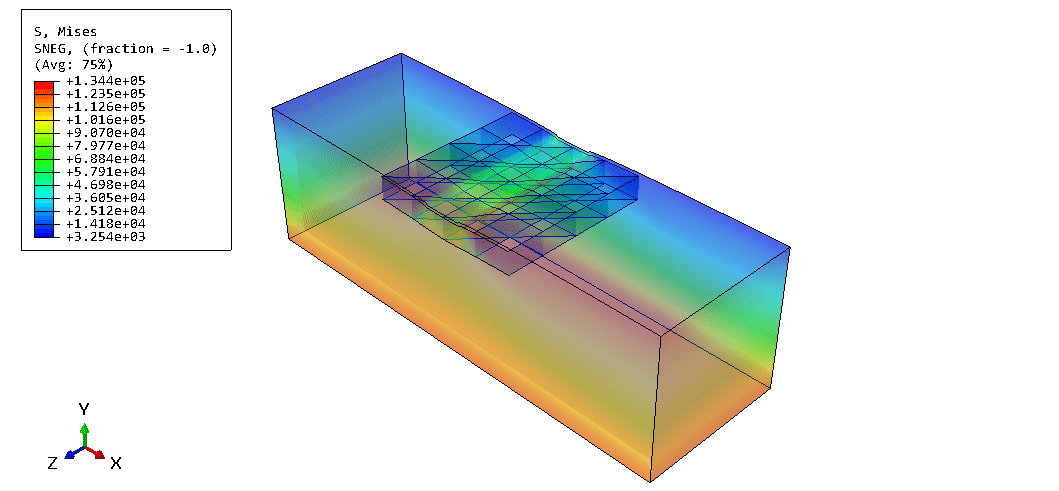
High contact stresses generated in the foundation soil, owing to increased load, causes distress, instability, and large settlements. Present days, geocell reinforcement is being widely used for the performance improvement of foundation beds. Pressure distribution on subgrade soil in geocell reinforced foundation beds is studied through model tests and numerical analysis. The test data indicates that with the provision of geocell reinforcement, the contact pressure on the subgrade soil reduces significantly. Consequently, the subgrade soil tends to remain intact until large loadings on the foundation leading to significant performance improvement. Through numerical analysis it is observed that the geocells in the region under the footing were subjected to compression and beyond were in tension. This indicates that the geocell reinforcement right under the footing directly sustains the footing loading through mobilization of its compressive stiffness and bending rigidity. Whereas the end portions of the geocell reinforcement, contribute to the performance improvement in a secondary manner through mobilization of anchorage derived from soil passive resistance and friction.
Product Overview:
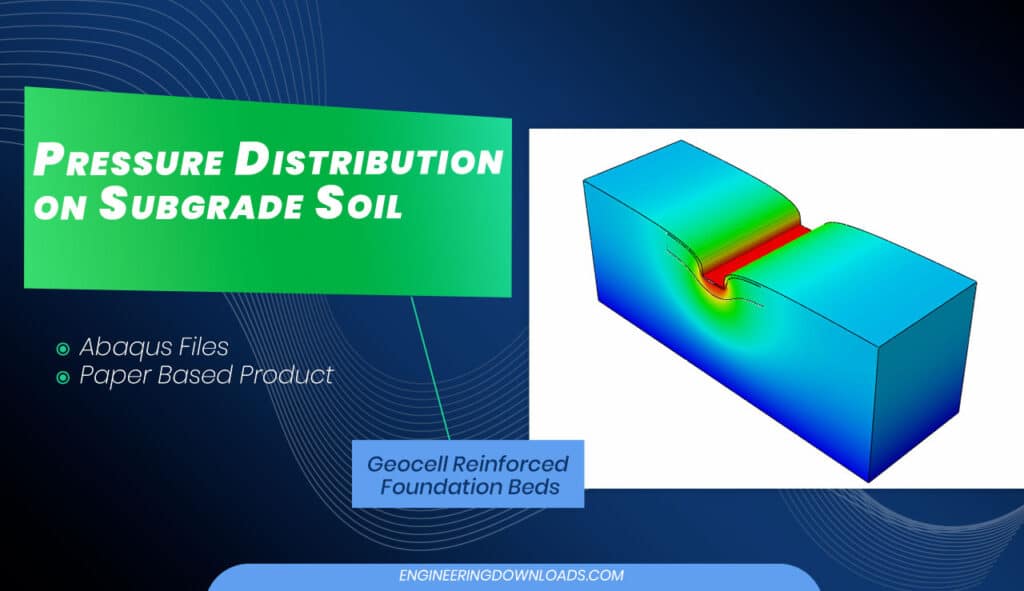
This tutorial guides users through modeling a Geocell Reinforced Foundation for Soil, highlighting how geocell reinforcement significantly reduces contact pressure on subgrade soil, leading to improved foundation performance under heavy loads. Also, experimental testing was conducted in which a steel tank simulated soil condition. At the center of the tank, a footing was placed. The foundation material was poorly graded sand, and the geocells were made from a biaxial geogrid. A hydraulic jack applied stage loads to the footing, while dial gauges registered the amount of settlement. Pressure on the subgrade soil was recorded by strain gauge-type pressure cells. All of the tests were run on different widths of geocell mattress. Other factors, like pocket size, height, and depth, were held constant. Key simulation steps include:
As explained in the paper, the geocell reinforced foundation bed simulation was validated against experimental data from Sujit Kumar Dash’s work.
Need more than the files?
There are two ways we can help. Book a one hour online consultation if you want to talk a problem through with a CAE engineer, using the checkbox in the order box. Order a project if you need a full simulation built for you, delivered to an agreed scope, price and deadline under a written contract.
We work on FEA and CFD for engineers, researchers and companies. Order your project, or message us on WhatsApp for a quick reply.
Other packages engineers working on this topic also download.
 Masonry wall behavior under explosive loading
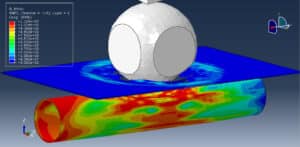 Numerical analysis of the CFRP blanket effect on reducing the deformation of pipelines in soil exposed to the Coupled Eulerian-Lagrangian subsurface explosion
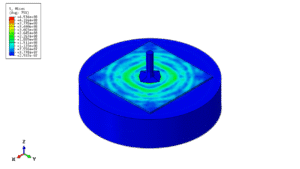 Experimental and numerical study of water jet spot welding
 Alternatives to prevent the failure of RC members under close-in blast loadings
 A numerical simulation of an aluminum-concrete beam
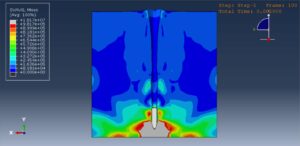 CEL analysis of the large defomation- Bullet penetraion into the soil
 Earthquake and seismic analysis of geosynthetic-reinforced soil
 Analysis of the blast protection wall system( wood cover-soil)

Need a full custom project? See the options below.

€129,00

€179,00

€149,00

€119,00

€129,00

€149,00
See more
Want to receive push notifications for all major on-site activities?