Need a full custom project? See the options below.
Need a full custom project? See the options below.
Papers abstract:
Multiple explosions along the route of oil and gas transmission pipelines in recent years demonstrate that terrorist attacks and sabotage have unfortunately increased. The present investigation is carried out numerically to minimize the amount of damage imposed on steel pipelines under close-in explosions. This research presents a novel concept, using CFRP (Carbon Fiber Reinforced Polymer) to strengthen the wall of steel pipelines against these incidents. For this purpose, a full coupled 3D finite element model was developed using a combined Eulerian-Lagrangian method. The simplified Johnson-Cook material model, the JWL equation of state, and the ideal gas equation of state were employed for modeling the pipe material behavior, charged detonation, and air, respectively. Mechanical behavior of the composite wrap was simulated using an anisotropic material model, and the damage initiation criteria were based on Hashin’s theory. In addition, soil mass behavior was modeled applying a Drucker-Prager strength criterion with piecewise hardening and hydro tensile limit accompanied by Mie-Grüneisen equation of state. Several comparisons were carried out between the results from the present investigation and those from field and empirical studies, and good agreements were observed. The results show that using a proper thickness of CFRP wrap for every particular circumstance can significantly improve the performance of steel pipelines under blast loads. For instance, in the current example, the maximum equivalent strains developed in most of the studied pipelines decreased by over 30% (up to 64%) with the application of a 4-mm-thickness CFRP wrap. The present study contributes to the protective design of steel pipelines.
Product Overview:
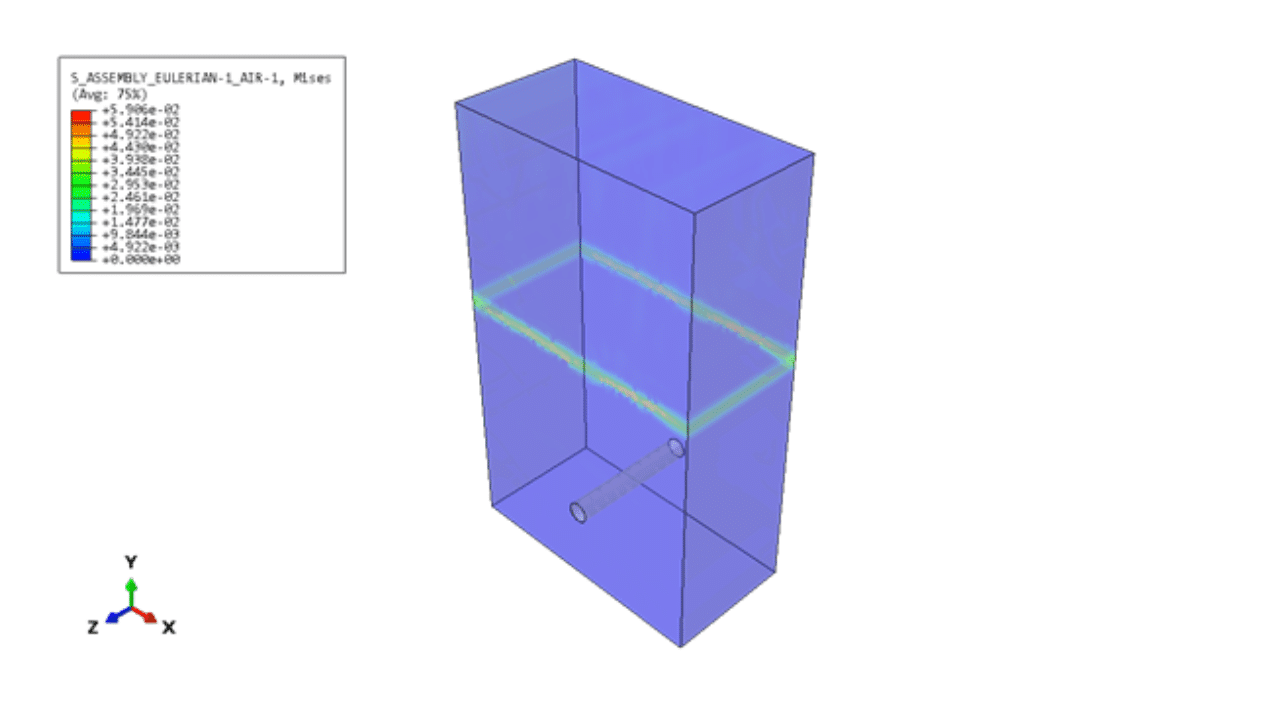
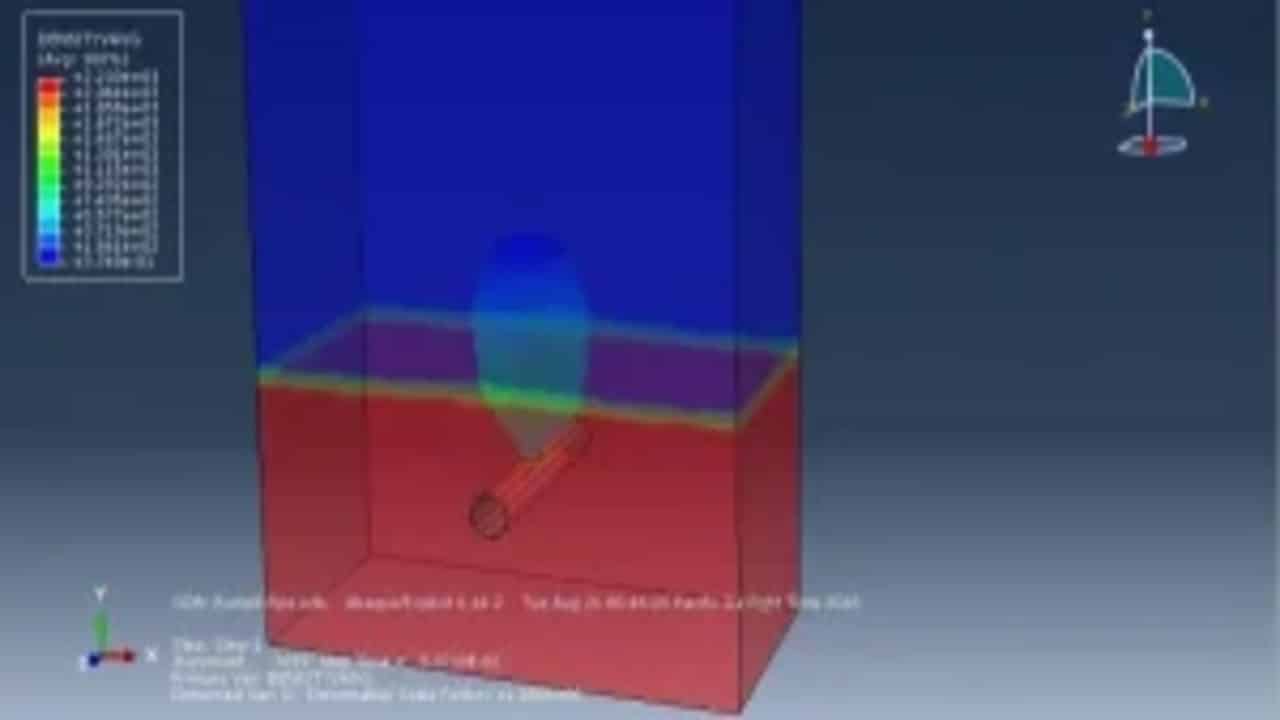
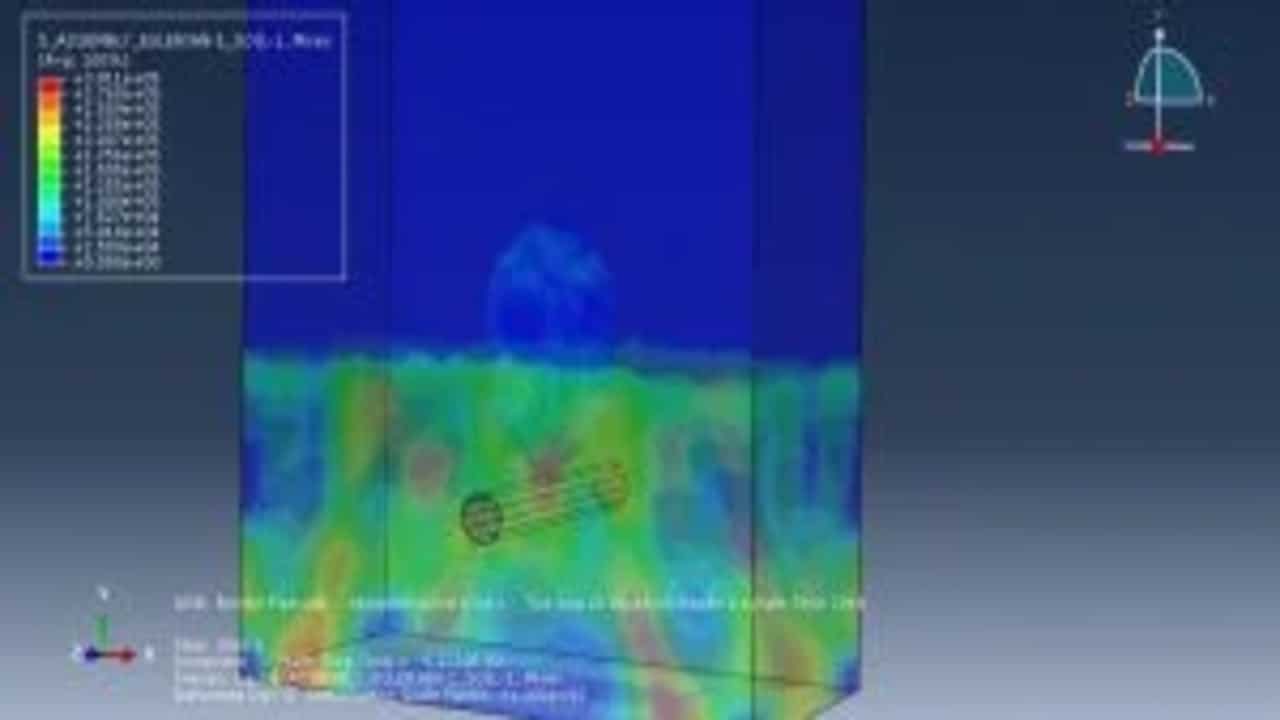
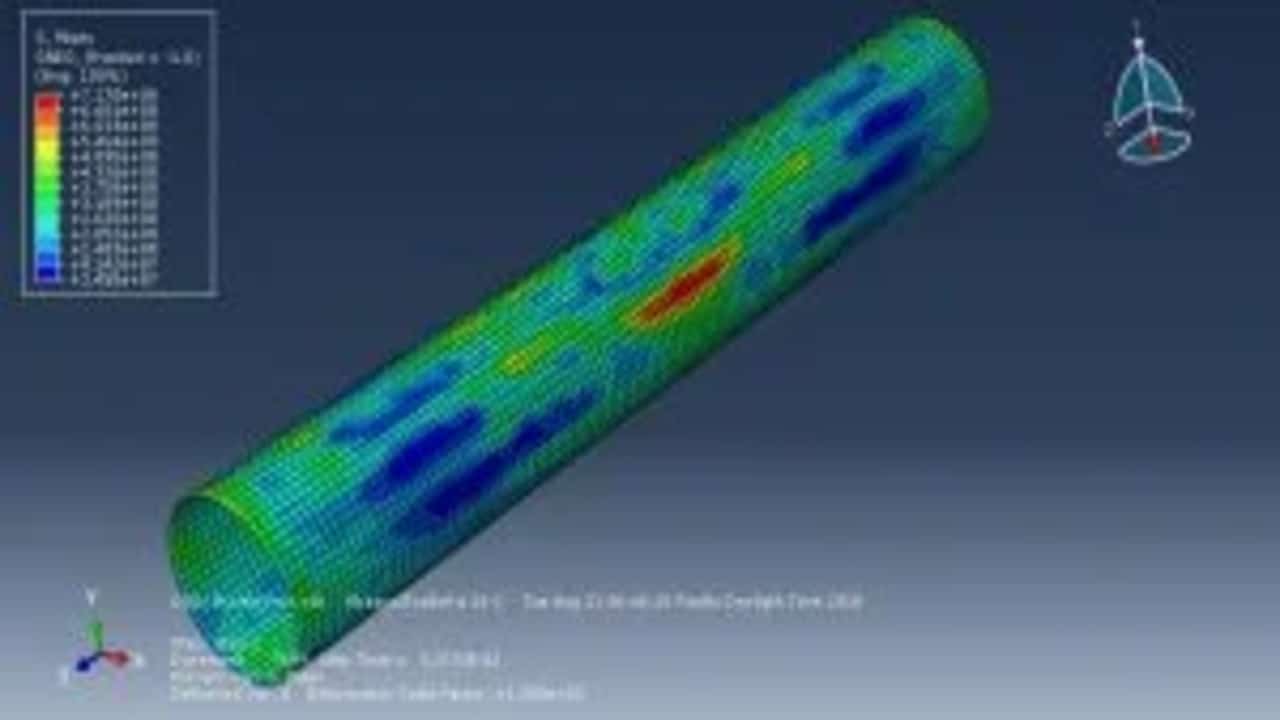
This tutorial provides a detailed walkthrough of simulating a subsurface explosion’s impact on buried steel pipelines using finite element analysis (FEA) software. It is based on an ISI research paper that investigates how Carbon Fiber Reinforced Polymer (CFRP) wraps can strengthen pipelines against blast loads. Key simulation steps include:
In this tutorial, the impact of a 10 kg TNT explosion on a buried steel pipeline is simulated, according to data from the work of M. Mokhtari and A. Alavi Nia.
Need more than the files?
There are two ways we can help. Book a one hour online consultation if you want to talk a problem through with a CAE engineer, using the checkbox in the order box. Order a project if you need a full simulation built for you, delivered to an agreed scope, price and deadline under a written contract.
We work on FEA and CFD for engineers, researchers and companies. Order your project, or message us on WhatsApp for a quick reply.
Other packages engineers working on this topic also download.
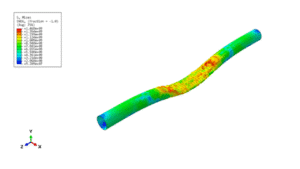 A parametric study on the mechanical performance of buried X65 steel pipelines under subsurface detonation
 Numerical investigation of concrete-filled double skin steel tubular structure subjected to underwater explosion
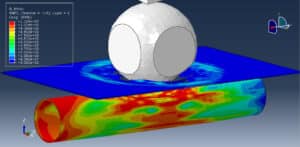 Numerical analysis of the CFRP blanket effect on reducing the deformation of pipelines in soil exposed to the Coupled Eulerian-Lagrangian subsurface explosion
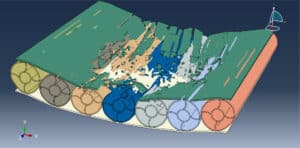 Finite element analysis on the air blast resistance of stiffened cylindrical tubular aluminum panel
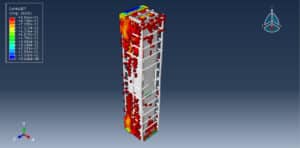 Analysis of an RC column with X-shaped steel section core under the CEL explosion
 Pipe and Pipeline Simulation Package in Abaqus (21 Models)
 Pipeline Dent and Corrosion Analysis in Abaqus: Level 3 FFS Modelling
 API 579 Example 12.5 in Abaqus: Dent-Gouge Assessment, Level 2 Calculation and Nonlinear Pressure Model with a One-Click Python Script€99,00

Need a full custom project? See the options below.

€129,00

€179,00

€149,00

€119,00

€129,00

€149,00
See more
Want to receive push notifications for all major on-site activities?