


Need a full custom project? See the options below.
Need a full custom project? See the options below.
Introduction
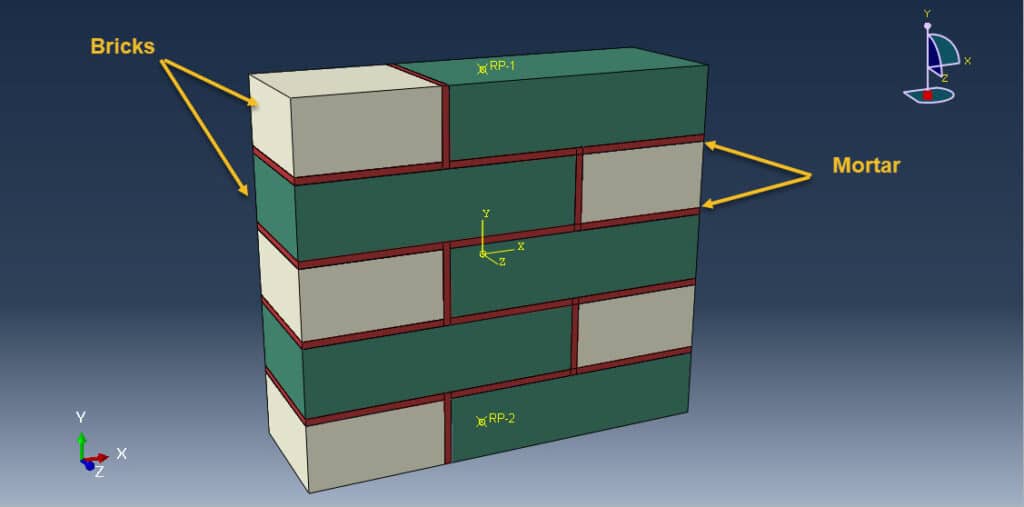
Masonry walls are widely used in structural and non-structural applications due to their durability, fire resistance, and load-bearing capacity. Understanding how these walls behave under compressive loads is crucial for evaluating their structural performance and safety, particularly in seismic or high-load environments. One advanced method for analyzing this behavior is micro-modeling, a detailed numerical technique that simulates the interaction between the individual components of masonry: units (bricks or blocks), mortar joints, and their interfaces.
What is Micro-modeling?
Micro-modeling is a finite element analysis (FEA) approach that captures the individual behavior of masonry constituents. It involves explicitly modeling each unit and the mortar, as well as their interface behavior. This contrasts with macro-modeling, where masonry is treated as a homogeneous continuum.
There are typically three types of micro-modeling approaches:
Micro-modeling Under Compression Load:
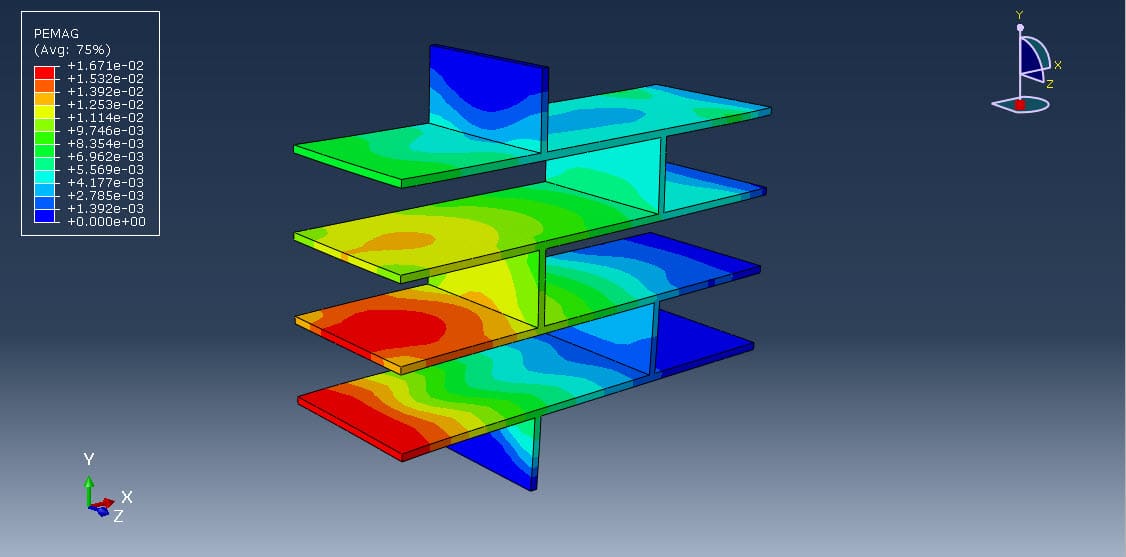
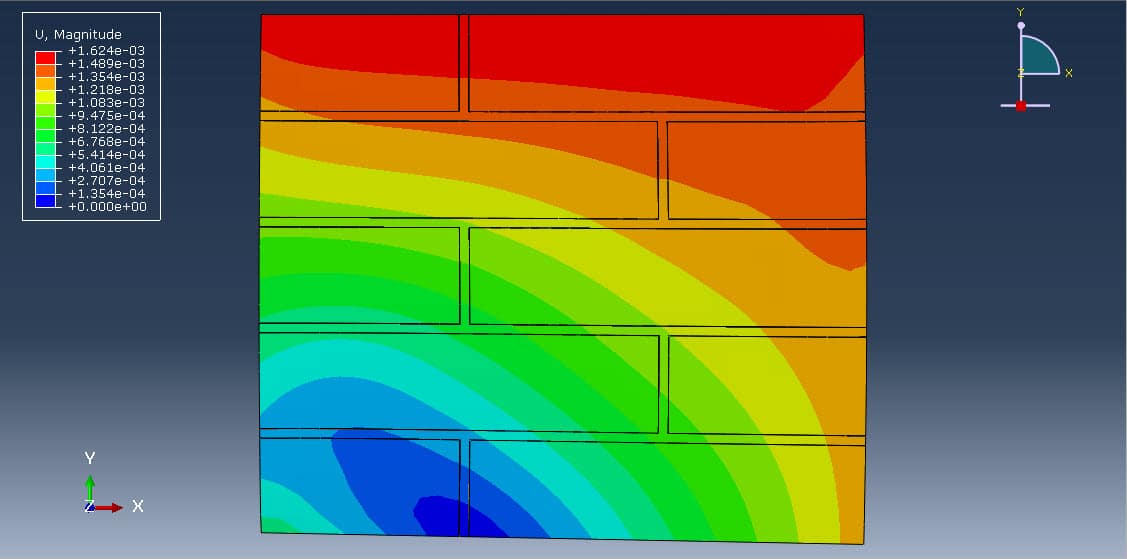
When a masonry wall is subjected to a compressive load, the complex interaction between bricks and mortar leads to non-linear behaviors such as cracking, crushing, and interfacial slip or separation. Micro-modeling helps analyze:
Applications:
Advantages of Micro-modeling:
Challenges:
Micro-modeling is a powerful tool for investigating the compressive behavior of masonry walls at a granular level. While computationally intensive, it yields high-fidelity results essential for the design, retrofit, and safety assessment of masonry structures. It serves as a foundation for improving code provisions and engineering practices, particularly in regions prone to seismic activity or where masonry is widely used.
Need more than the files?
There are two ways we can help. Book a one hour online consultation if you want to talk a problem through with a CAE engineer, using the checkbox in the order box. Order a project if you need a full simulation built for you, delivered to an agreed scope, price and deadline under a written contract.
We work on FEA and CFD for engineers, researchers and companies. Order your project, or message us on WhatsApp for a quick reply.
Other packages engineers working on this topic also download.
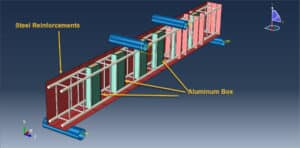 Bending test analysis of an RC beam with sustainable aluminum boxes filled with UHPC
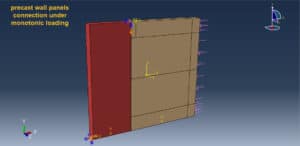 Pull-out test analysis of a precast wall panel connection
 Pull-Out Test Package- Analysis and Simulation in Abaqus
 UHPC Simulation Package in Abaqus (20 Ultra-High Performance Concrete Models)
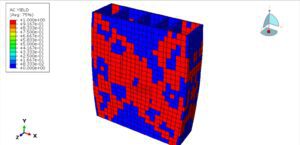 Analysis of the new concrete masonry block under compression load in Abaqus
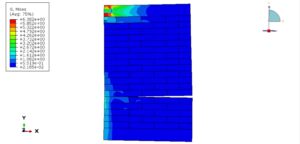 Analysis of Masonry Wall under Seismic, Shear, and Compressive Loads
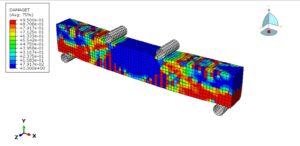 Analysis of the Ultra-High-Performance Geopolymer RC Beam under Four-Point Bending Loading
 2D and Axisymmetric pull-out test analysis of a steel fiber

Need a full custom project? See the options below.

€129,00

€179,00

€149,00

€119,00

€129,00
See more
Want to receive push notifications for all major on-site activities?