

Need a full custom project? See the options below.
Need a full custom project? See the options below.
Precast concrete construction has gained significant popularity in modern building practices due to its advantages in speed, quality control, and cost-effectiveness. A critical aspect of this construction method is the performance of connections between precast components, particularly under various loading conditions. Among the types of connections used, mechanical, embedded, and grouted connections are common in precast wall panel systems.
The pull-out test is a widely used experimental method to evaluate the bond strength and mechanical performance of these connections. It involves applying a tensile (pulling) force to a connection component embedded in concrete to determine its capacity to resist separation. This test provides essential data on the load-carrying capacity, failure modes, and ductility of the connection.
In the context of precast wall panels, pull-out tests are vital to assess how well embedded inserts, dowels, or reinforcement bars perform when subjected to tensile loads. The results of such tests contribute to the design and safety evaluation of wall panel systems, particularly in seismic or high-wind regions where uplift or out-of-plane forces may occur.
One of the most common and structurally critical types of connections involves embedded reinforcement bars (rebars) that are designed to transfer tensile loads between precast components or between precast and cast-in-place elements. The pull-out behavior of these bars plays a crucial role in determining the load-carrying capacity and durability of the joint.
The pull-out test is a standardized method used to evaluate the bond strength between reinforcing bars and the surrounding concrete. This test simulates the condition where a reinforcing bar is subjected to a direct tensile force, causing it to be pulled from the concrete matrix. In precast wall panel connections, this scenario can occur due to vertical loading, seismic action, or differential movement between panels.
This analysis aims to:
Through careful test design, instrumentation, and interpretation, pull-out test analysis forms an integral part of research and development efforts focused on enhancing the structural integrity and resilience of precast wall panel connections.
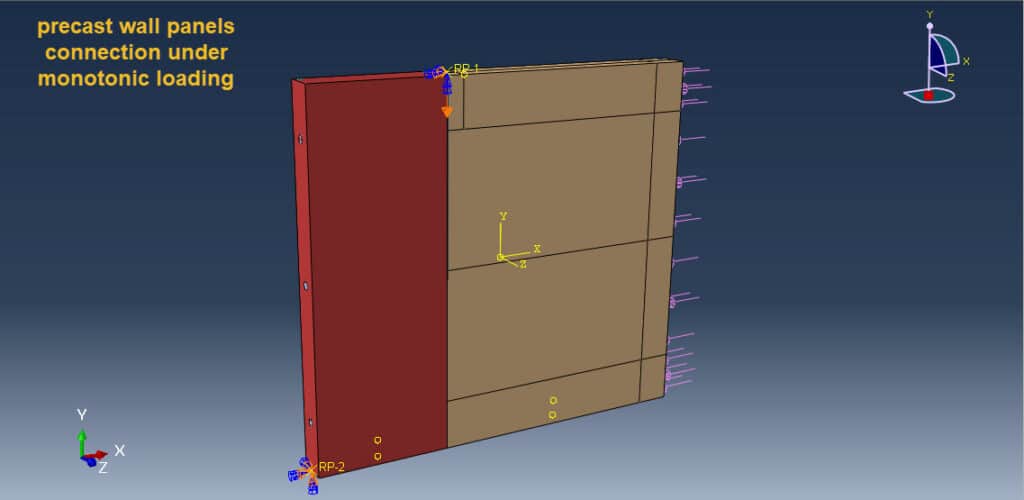
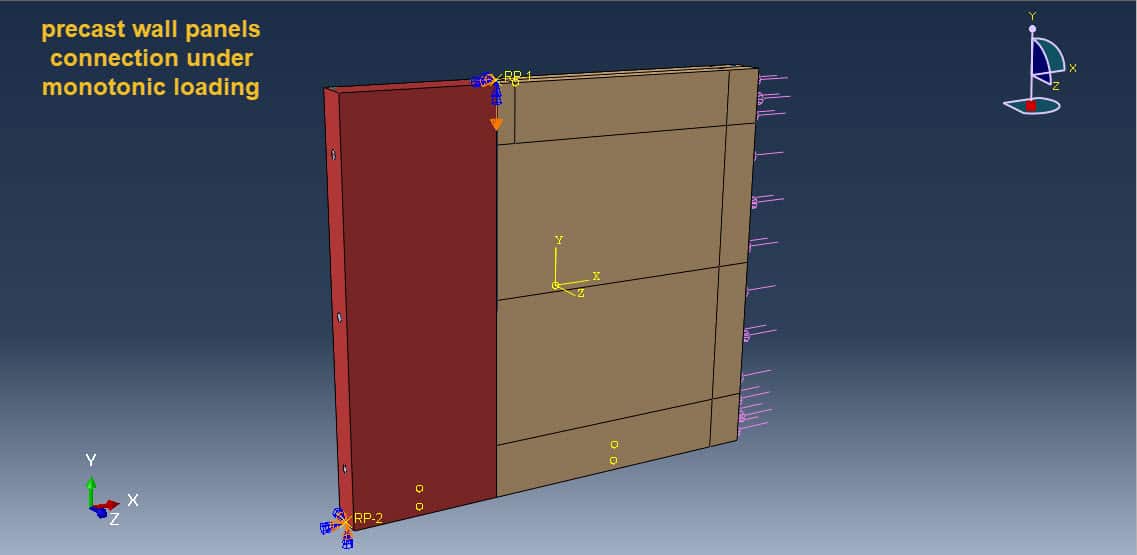
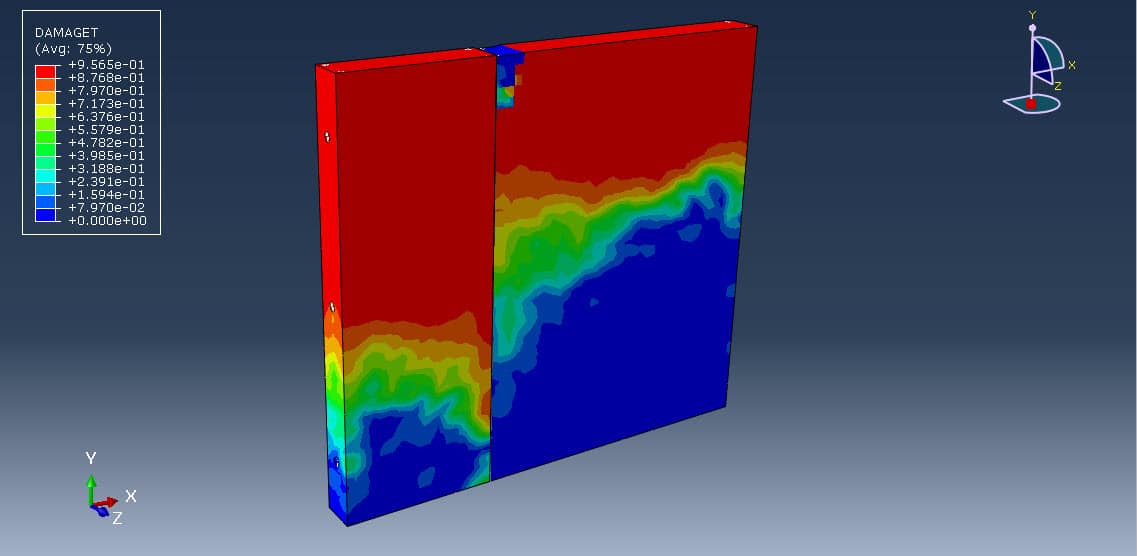
The behavior and possible failure modes of precast wall panel connections under severe loading conditions remain challenging in achieving a reliable connection. Furthermore, the interaction between precast wall panels’ interfaces in terms of shear-slip relationship due to adhesion, friction, clamping stress, and dowel action is complex.
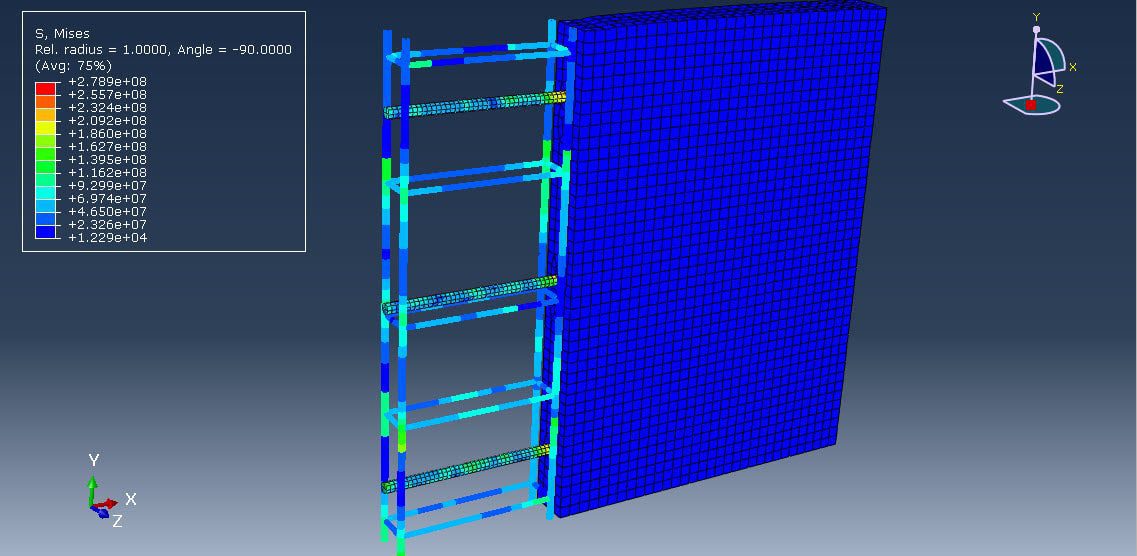
To model concrete behavior, the Concrete Damaged Plasticity is selected. Elastic-plastic material data is used to define the steel material.
Dynamic explicit step and cohesive interaction method are used. The interaction between two concrete walls is modeled as the surface-to-surface contact, the interaction between the steel bars and the concrete wall is assumed as a cohesive model by using stiffness and damage behavior.
The example is similar to this paper: 3D finite element modeling of precast wall panels connection under monotonic loading
Need more than the files?
There are two ways we can help. Book a one hour online consultation if you want to talk a problem through with a CAE engineer, using the checkbox in the order box. Order a project if you need a full simulation built for you, delivered to an agreed scope, price and deadline under a written contract.
We work on FEA and CFD for engineers, researchers and companies. Order your project, or message us on WhatsApp for a quick reply.
Other packages engineers working on this topic also download.
 Pull-Out Test Package- Analysis and Simulation in Abaqus
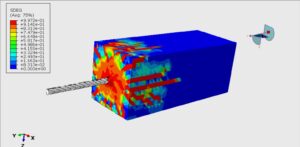 Bond–Slip Analysis of the Pull-Out Test Simulation
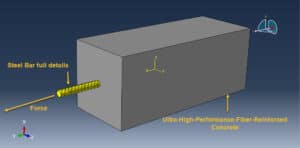 Pull-out test analysis of a 3D ribbed steel bar from the UHPFRC
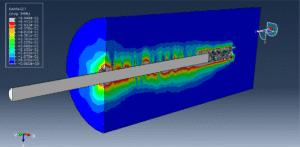 Pull-Out test analysis of a ribbed steel bar from the UHPC
 2D and Axisymmetric pull-out test analysis of a steel fiber
 Ultra High Performance Fiber Reinforced Concrete (UHPFRC) Package
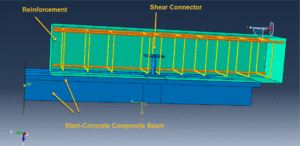 Analysis of the Push Out Test on a New I-Shape Shear Connector
 Simulation Pull-Out Test Modeling of GFRP bars bonded with epoxy inside timber

Need a full custom project? See the options below.

€129,00

€179,00

€149,00

€119,00

€129,00

€149,00
See more
Want to receive push notifications for all major on-site activities?




