Need a full custom project? See the options below.
Need a full custom project? See the options below.
Square concrete-filled double skin steel tubular (CFDST) columns are an advanced form of composite structural members that combine the advantages of steel and concrete to achieve high strength, stiffness, and ductility. In these systems, two concentric steel tubes—an outer and an inner tube—are filled with concrete in the annular space, forming a highly efficient load-bearing configuration. Compared to conventional concrete-filled steel tubes (CFST), CFDST columns offer improved structural performance, reduced self-weight, and enhanced resistance to local buckling due to the presence of the inner steel tube.
In recent years, there has been growing interest in incorporating sustainable materials into structural systems. One such innovation is rubberized concrete, where a portion of natural aggregates is replaced with recycled rubber particles, typically sourced from waste tires. This modification improves energy absorption, impact resistance, and ductility, making it particularly suitable for structures subjected to dynamic or extreme loading conditions. However, the inclusion of rubber also tends to reduce compressive strength and stiffness, necessitating a detailed investigation of its structural behavior in composite columns.
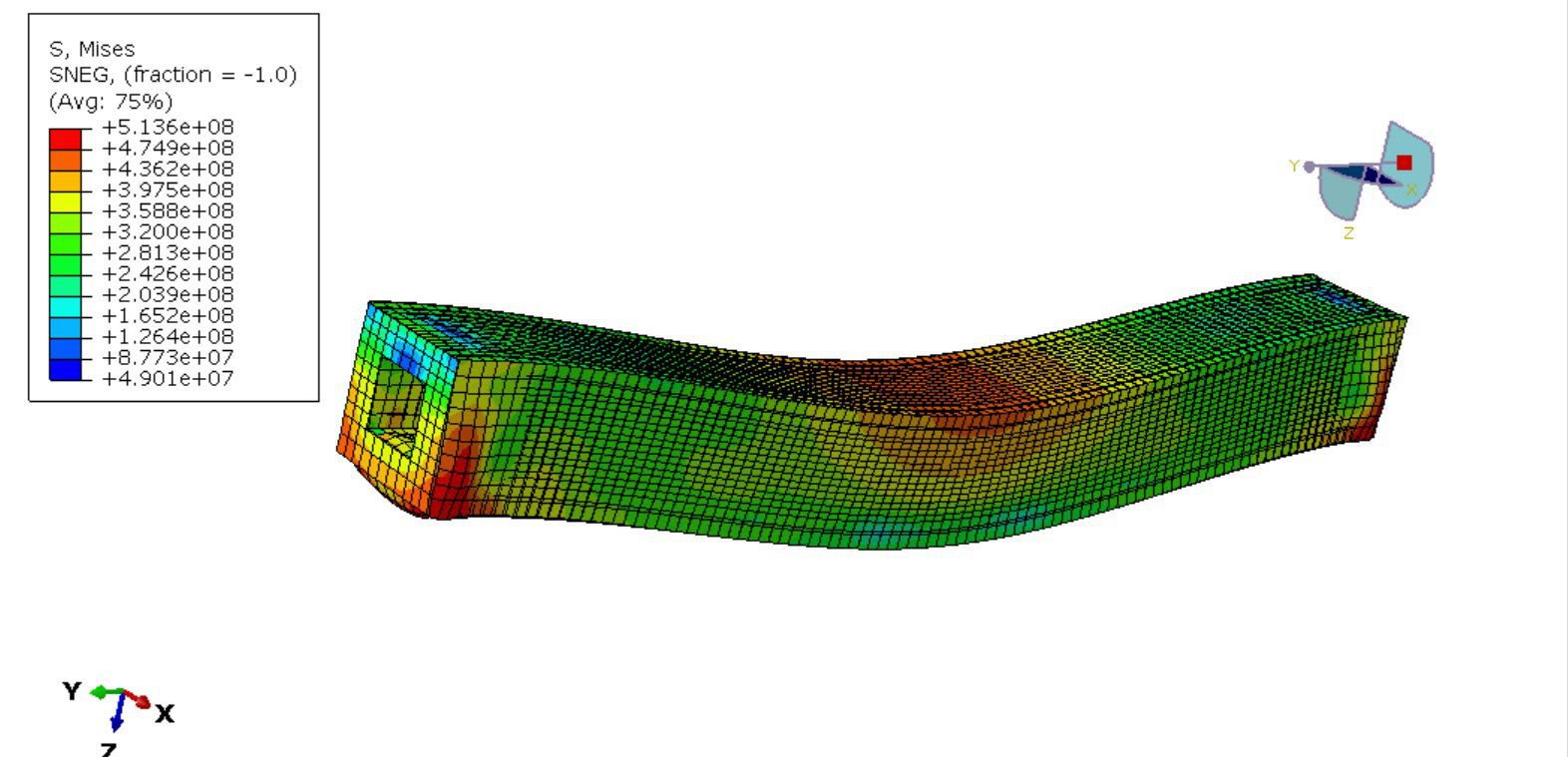
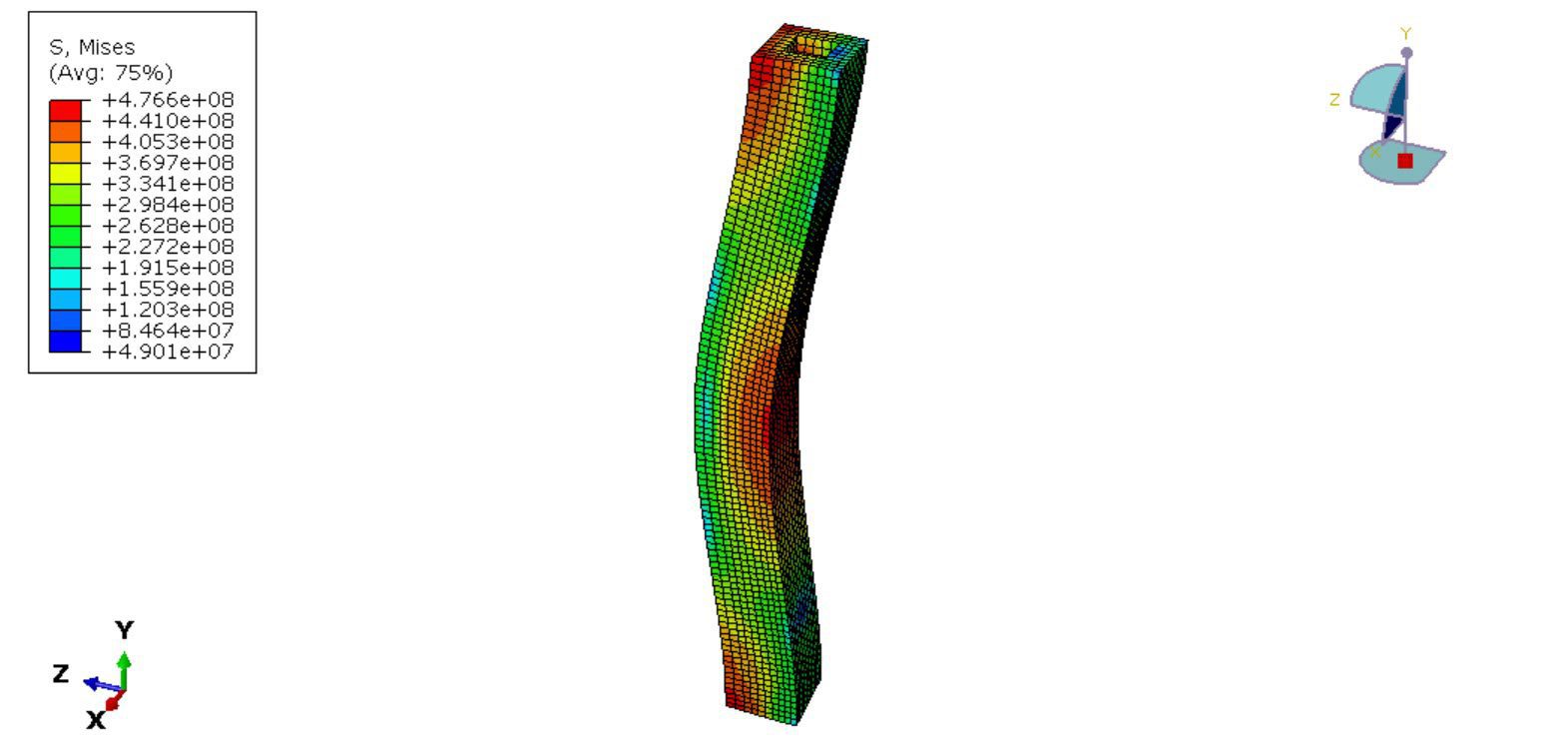
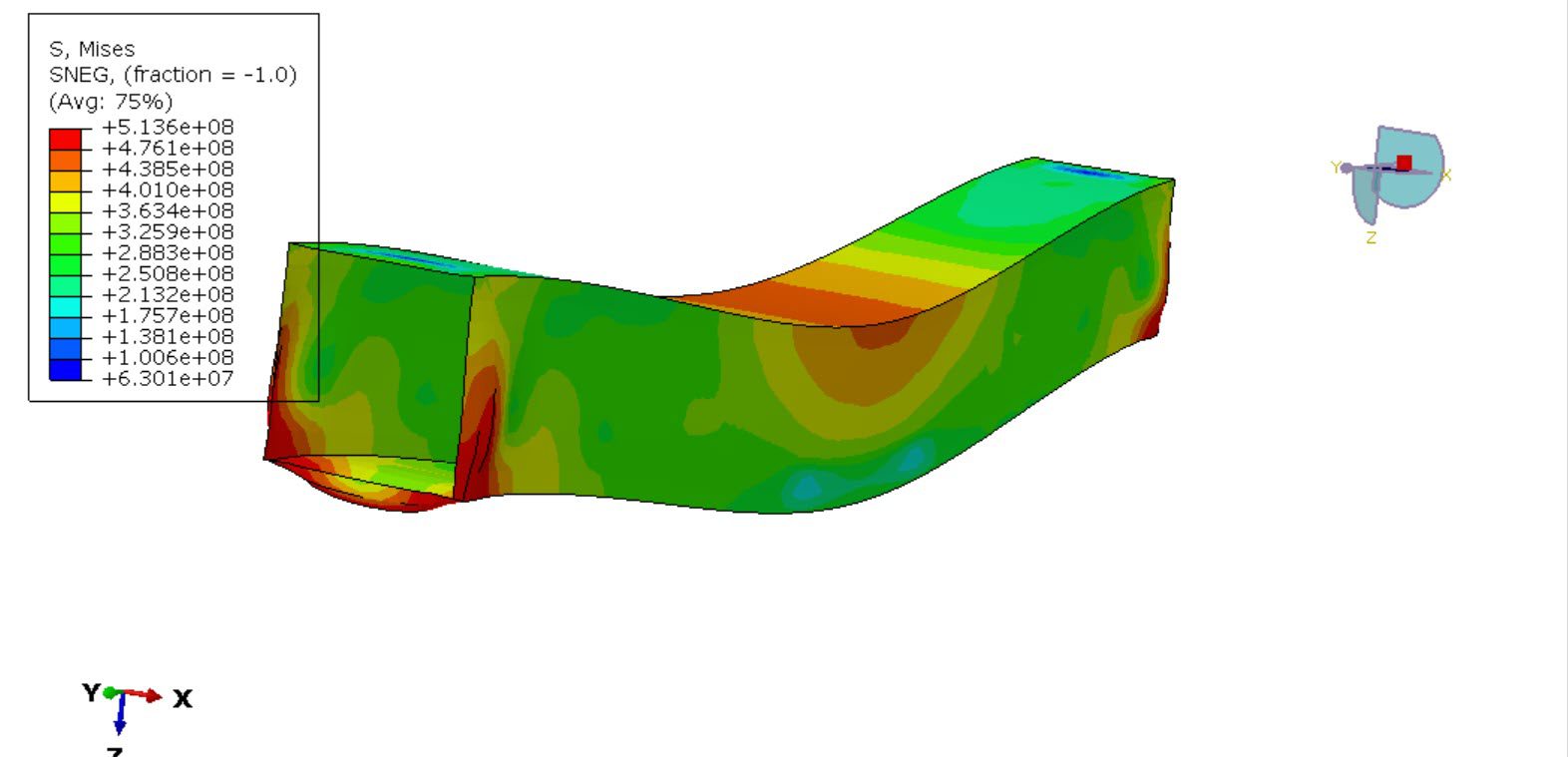
The numerical analysis of square CFDST columns with rubberized concrete provides valuable insight into their structural response under loading conditions. Finite element modeling, particularly with advanced software such as ABAQUS, enables accurate simulation of complex material interactions and nonlinear behavior. In such analyses, the Concrete Damage Plasticity (CDP) model is commonly employed to represent the inelastic behavior of concrete, including cracking and crushing, while the steel columns are typically modeled using an elastic–plastic constitutive law to capture yielding and strain hardening effects.
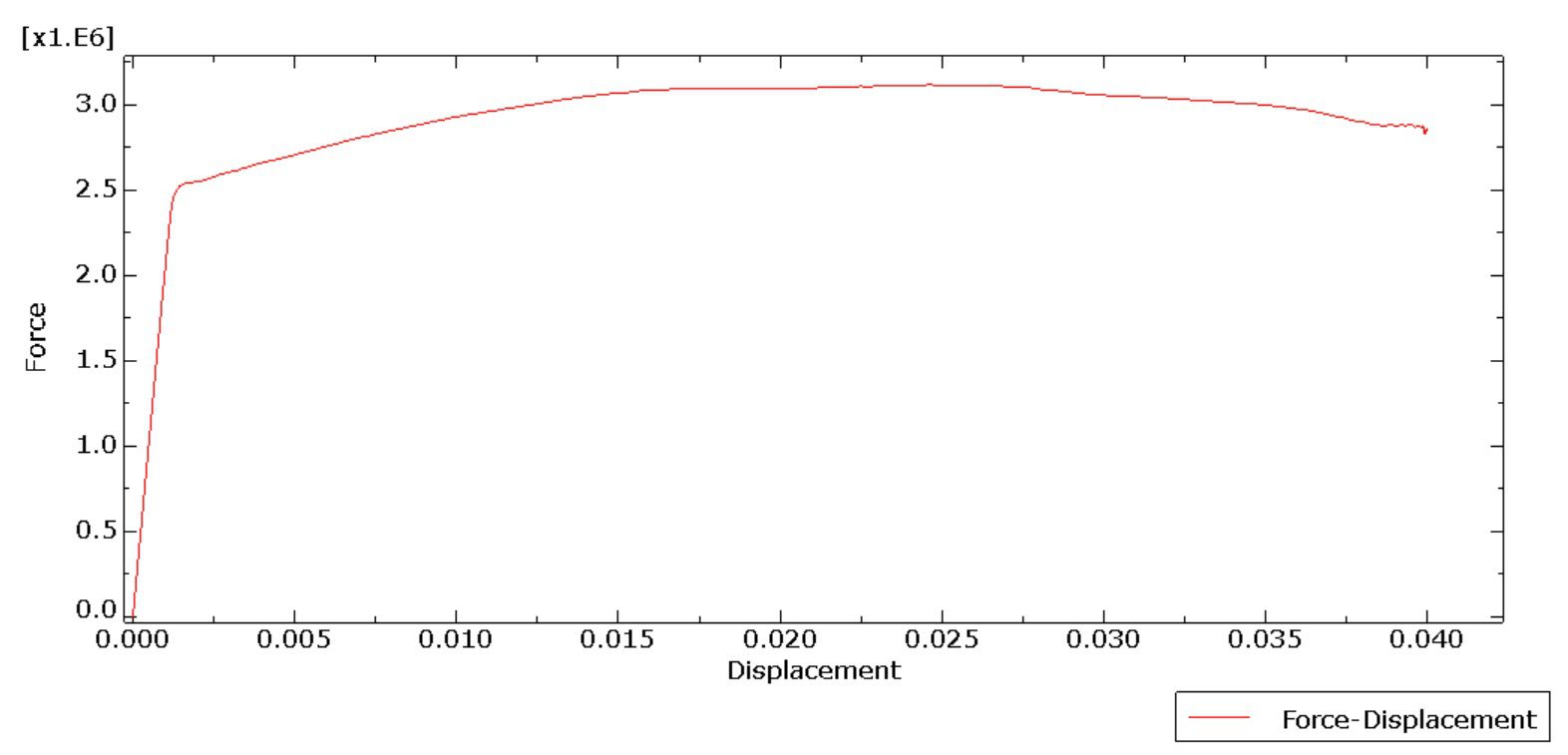
An explicit analysis procedure is often adopted to handle highly nonlinear problems and contact interactions efficiently. The interaction between steel tubes and the concrete core is generally defined using surface-to-surface contact with appropriate frictional properties to simulate load transfer and confinement effects. These modeling strategies allow for detailed assessment of key performance parameters such as load-carrying capacity, failure modes, stress distribution, and confinement behavior.
This study focuses on the numerical investigation of square CFDST columns filled with rubberized concrete using finite element analysis. The objective is to evaluate how the inclusion of rubberized concrete affects the structural performance of the composite column and to better understand the interaction mechanisms between the steel tubes and the modified concrete core. The findings aim to contribute to the development of more sustainable and resilient structural systems.
Need more than the files?
There are two ways we can help. Book a one hour online consultation if you want to talk a problem through with a CAE engineer, using the checkbox in the order box. Order a project if you need a full simulation built for you, delivered to an agreed scope, price and deadline under a written contract.
We work on FEA and CFD for engineers, researchers and companies. Order your project, or message us on WhatsApp for a quick reply.
Other packages engineers working on this topic also download.
 Behaviour analysis of demountable tubular column-to-base plate joints with studs
 Analysis of Axial Compression Performance of Concrete-Filled Steel-Tubular Shear Wall with a Multi-Cavity T-Shaped Cross-Section
 Static and dynamic compression test of a square cold-formed UHPC-filled dual steel stiffened slender column
 Compression test of middle long CFST column with inner I-shaped CFRP Profile
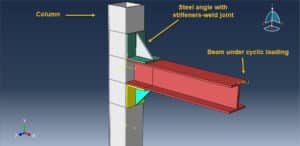 Cyclic loading analysis of a steel beam-column joint with a welded steel angle
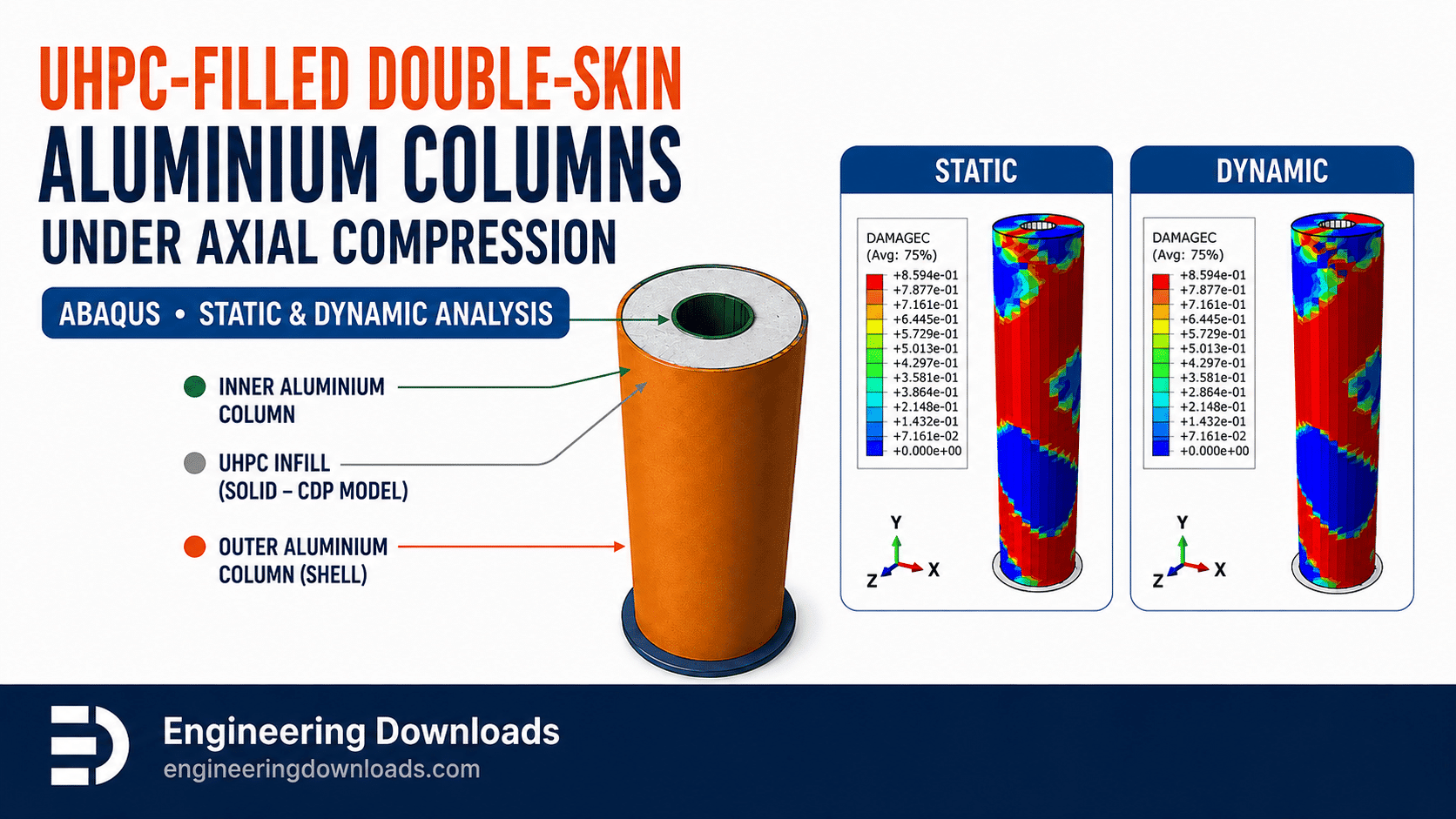 Numerical Investigation of the Structural Behaviour of UHPC-Filled Double-Skin Aluminium Columns under Axial Compression
 Steel and Concrete Columns Simulation Package in Abaqus (25 Models)
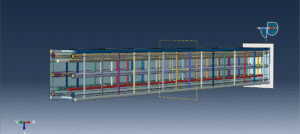 Simulation of the concrete-encased CFST box stub columns under axial compression in Abaqus

Need a full custom project? See the options below.

€129,00

€179,00

€149,00

€119,00

€129,00
See more
Want to receive push notifications for all major on-site activities?