
Need a full custom project? See the options below.
Need a full custom project? See the options below.
Refractory concrete is widely used in high-temperature industrial applications such as furnaces, kilns, and incinerators due to its excellent thermal stability and resistance to chemical attack. However, conventional refractory concrete is inherently brittle and exhibits low tensile strength and limited deformation capacity, which can lead to sudden failure under mechanical loading, particularly in structural elements such as columns. Improving the mechanical performance and failure resistance of refractory concrete is therefore of significant interest for enhancing the safety and durability of high-temperature structural systems.
The incorporation of stainless steel fibers into refractory concrete has proven to be an effective method for improving its mechanical behavior. Stainless steel fibers enhance crack-bridging capacity, delay crack propagation, and improve post-peak load-carrying capacity through fiber–matrix interaction. In addition, stainless steel fibers offer superior oxidation resistance and strength retention at elevated temperatures compared to carbon steel fibers, making them especially suitable for refractory applications.
Columns made of stainless steel fiber–reinforced refractory concrete are frequently subjected to axial compressive loads in service. Understanding their compression behavior is essential for evaluating load-bearing capacity, deformation characteristics, stiffness degradation, and failure modes. Compression behavior tests provide critical insight into stress–strain relationships, peak compressive strength, ductility, and energy absorption capacity, as well as the influence of fiber content, aspect ratio, and distribution.
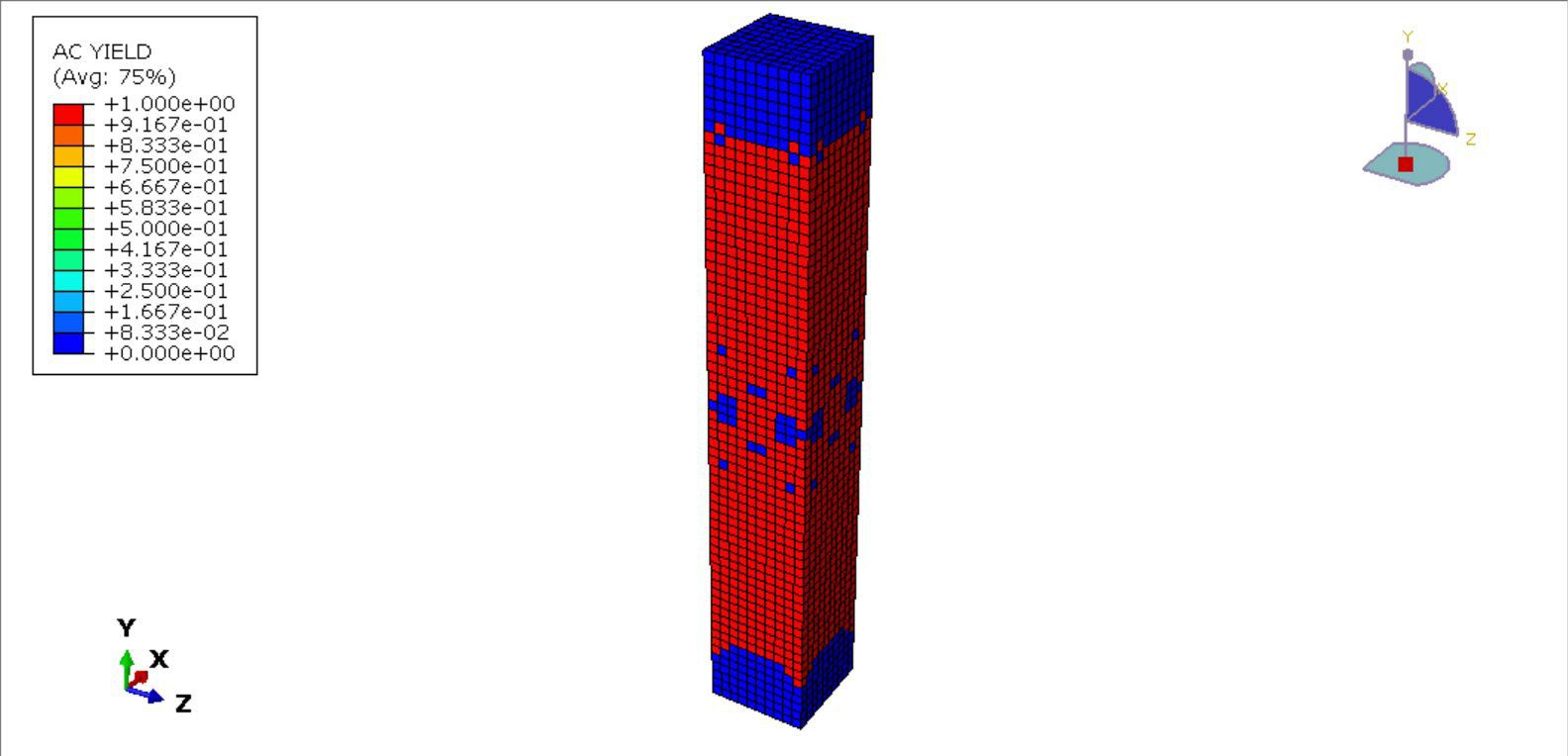
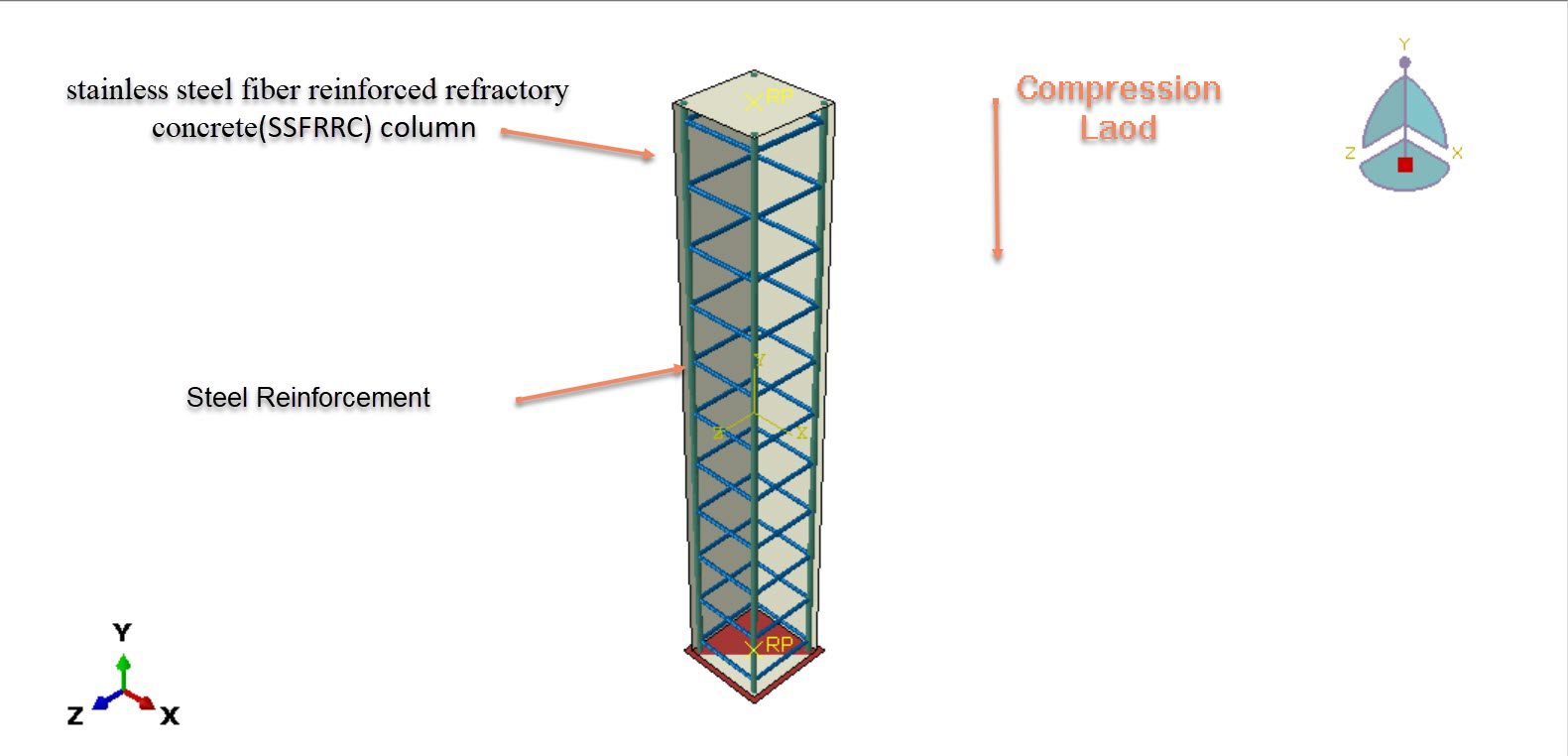
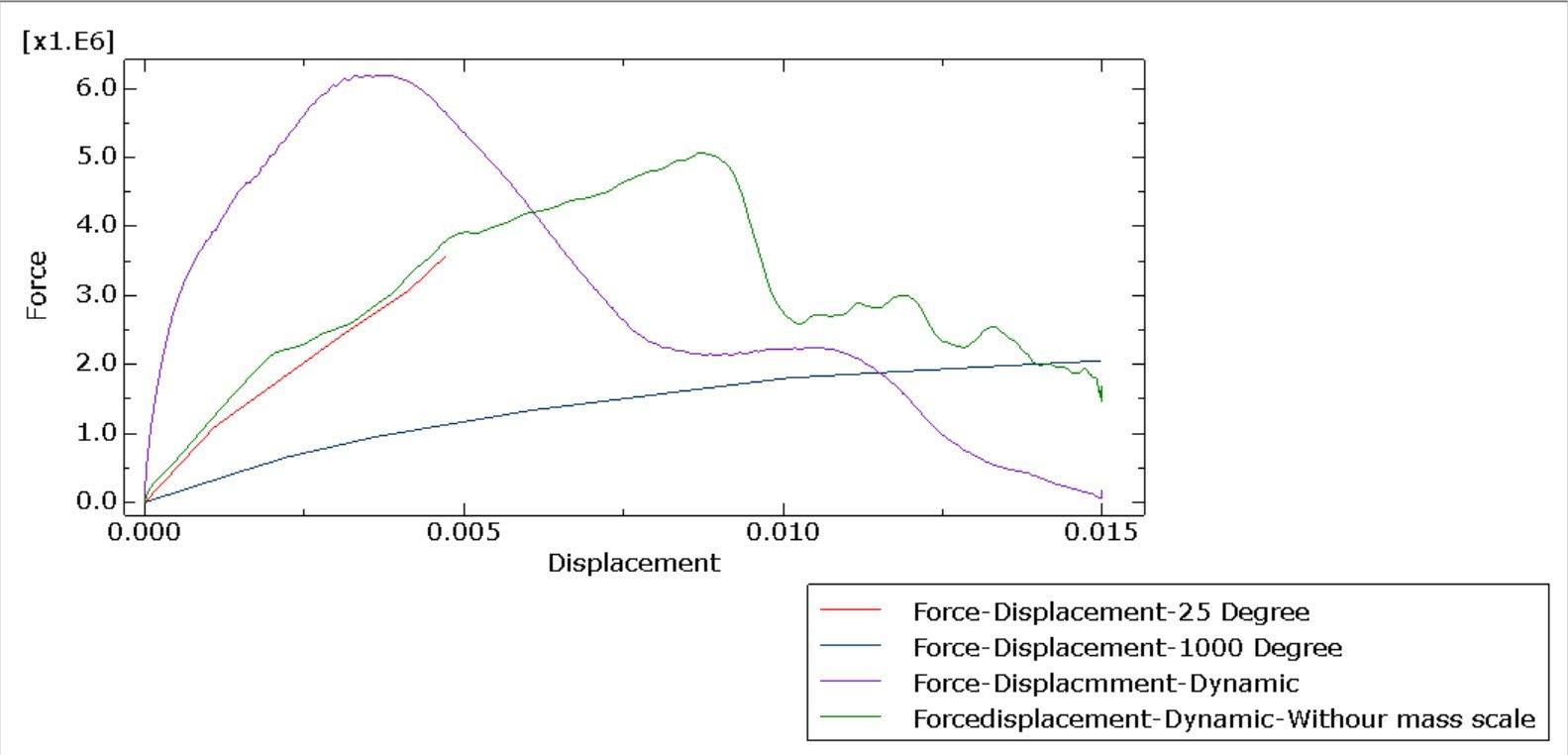
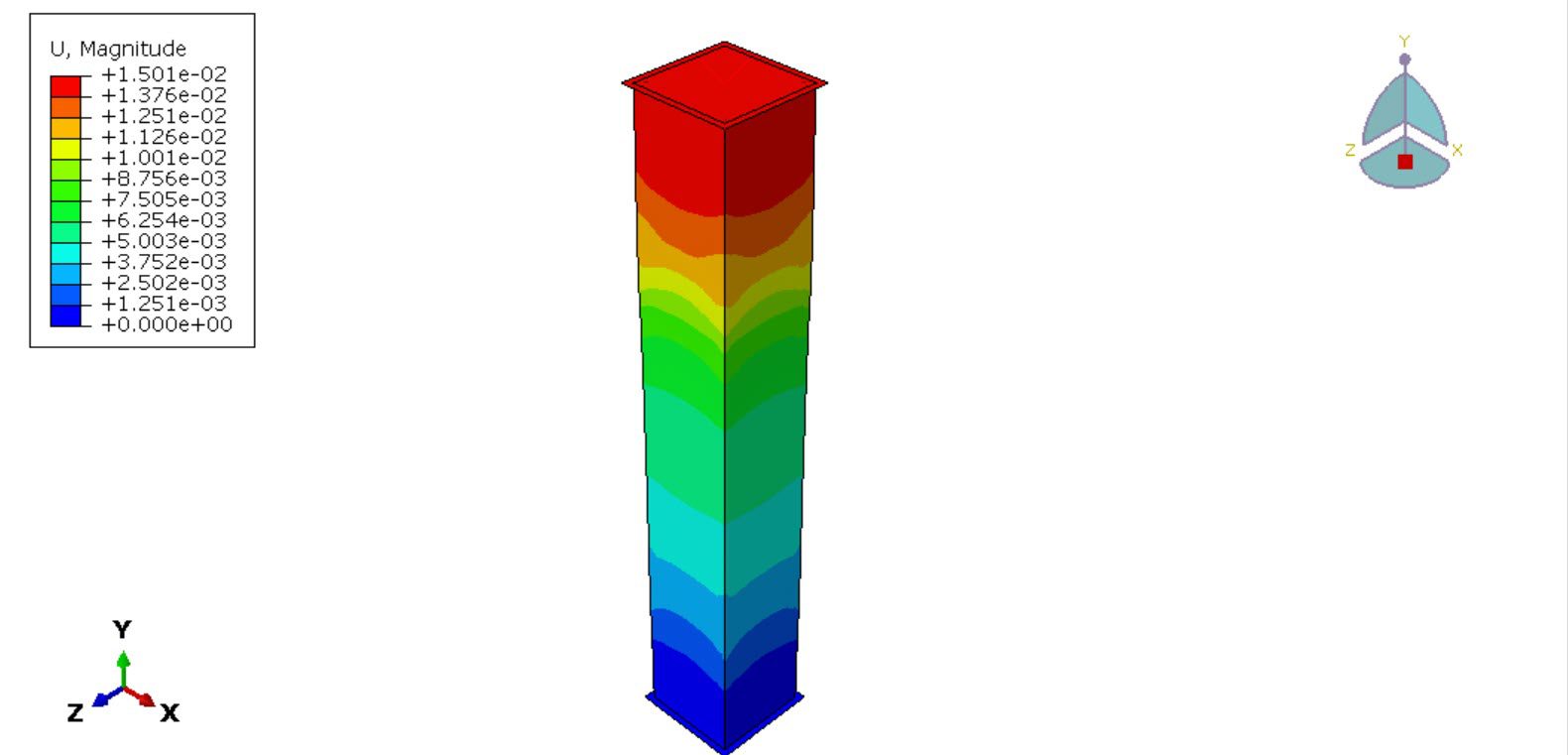
This study focuses on the numerical investigation of the compression behavior of stainless steel fiber–reinforced refractory concrete columns. Through axial compression testing, the effects of stainless steel fiber reinforcement on strength enhancement, deformation capacity, and failure mechanisms are examined and compared with those of plain refractory concrete. The results aim to provide a scientific basis for the structural design and optimization of fiber-reinforced refractory concrete columns used in high-temperature and heavy-load environments.
Need more than the files?
There are two ways we can help. Book a one hour online consultation if you want to talk a problem through with a CAE engineer, using the checkbox in the order box. Order a project if you need a full simulation built for you, delivered to an agreed scope, price and deadline under a written contract.
We work on FEA and CFD for engineers, researchers and companies. Order your project, or message us on WhatsApp for a quick reply.
Other packages engineers working on this topic also download.
 Analysis of the SSFRRC composite beam under air blast load
 Numerical analysis of square concrete-filled double skin steel tubular columns with rubberized concretese
 Analysis of Axial Compression Performance of Concrete-Filled Steel-Tubular Shear Wall with a Multi-Cavity T-Shaped Cross-Section
 2D and Axisymmetric pull-out test analysis of a steel fiber
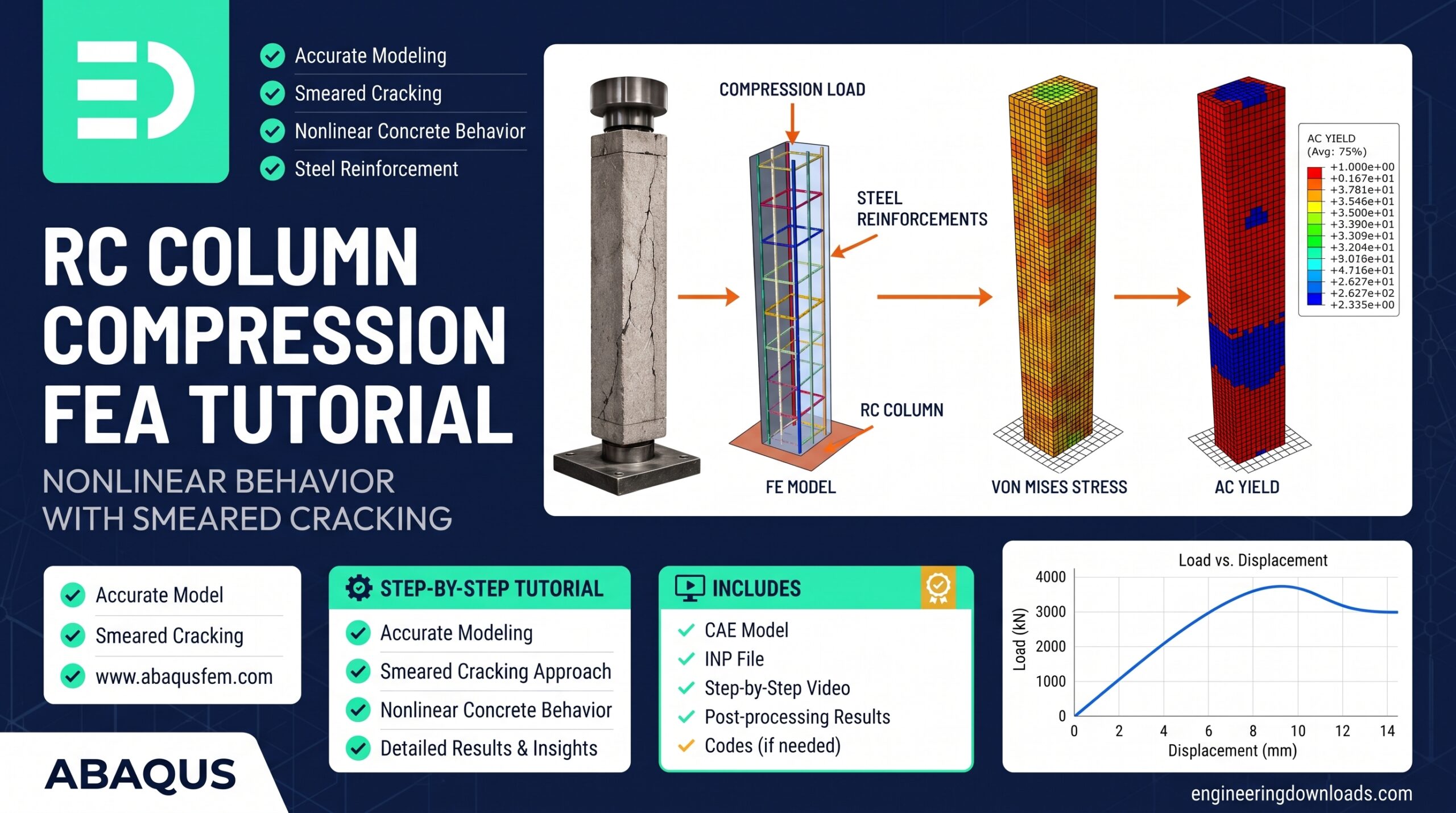 RC Column under Axial Compression in Abaqus: Smeared Cracking Model
 Compression test of the CFRP composite spirals in a circular hollow UHPC column
 Analysis of the new concrete masonry block under compression load in Abaqus
 Simulation of the concrete-encased CFST box stub columns under axial compression in Abaqus

Need a full custom project? See the options below.

€129,00

€179,00

€149,00

€119,00

€129,00
See more
Want to receive push notifications for all major on-site activities?