Need a full custom project? See the options below.
Need a full custom project? See the options below.
The construction industry is increasingly adopting hybrid structural systems that combine the advantages of different materials to achieve higher structural efficiency, sustainability, and cost-effectiveness. Among these systems, aluminium–timber composite beams have attracted considerable attention due to the complementary mechanical properties of aluminium and timber. Aluminium provides high strength-to-weight ratio, corrosion resistance, and dimensional stability, while timber offers excellent sustainability, low density, and favorable mechanical performance. By combining these materials into a composite member, it is possible to improve stiffness, load-carrying capacity, and structural efficiency compared with the individual components acting independently.
The structural performance of aluminium–timber composite beams is strongly influenced by the shear transfer mechanism between the two materials. Mechanical fasteners such as screws are commonly used to connect timber and aluminium members because of their ease of installation, cost-effectiveness, and ability to provide partial or full composite action. The behavior of these connections governs the degree of interaction between the components and significantly affects the global response, including stiffness, strength, deformation, and failure modes. Therefore, understanding the behavior of screwed aluminium–timber composite beams under flexural loading is essential for their safe and efficient design.
Four-point bending tests are widely employed to evaluate the flexural behavior of composite beams because they create a constant bending moment region between the loading points while minimizing the influence of shear forces. This loading configuration enables a detailed investigation of stress distribution, strain development, connection performance, and failure mechanisms. Experimental testing, however, can be expensive and time-consuming, particularly when multiple parameters such as connector spacing, material properties, and cross-sectional dimensions must be investigated. Consequently, finite element (FE) analysis has become an effective tool for studying the structural behavior of composite beams.
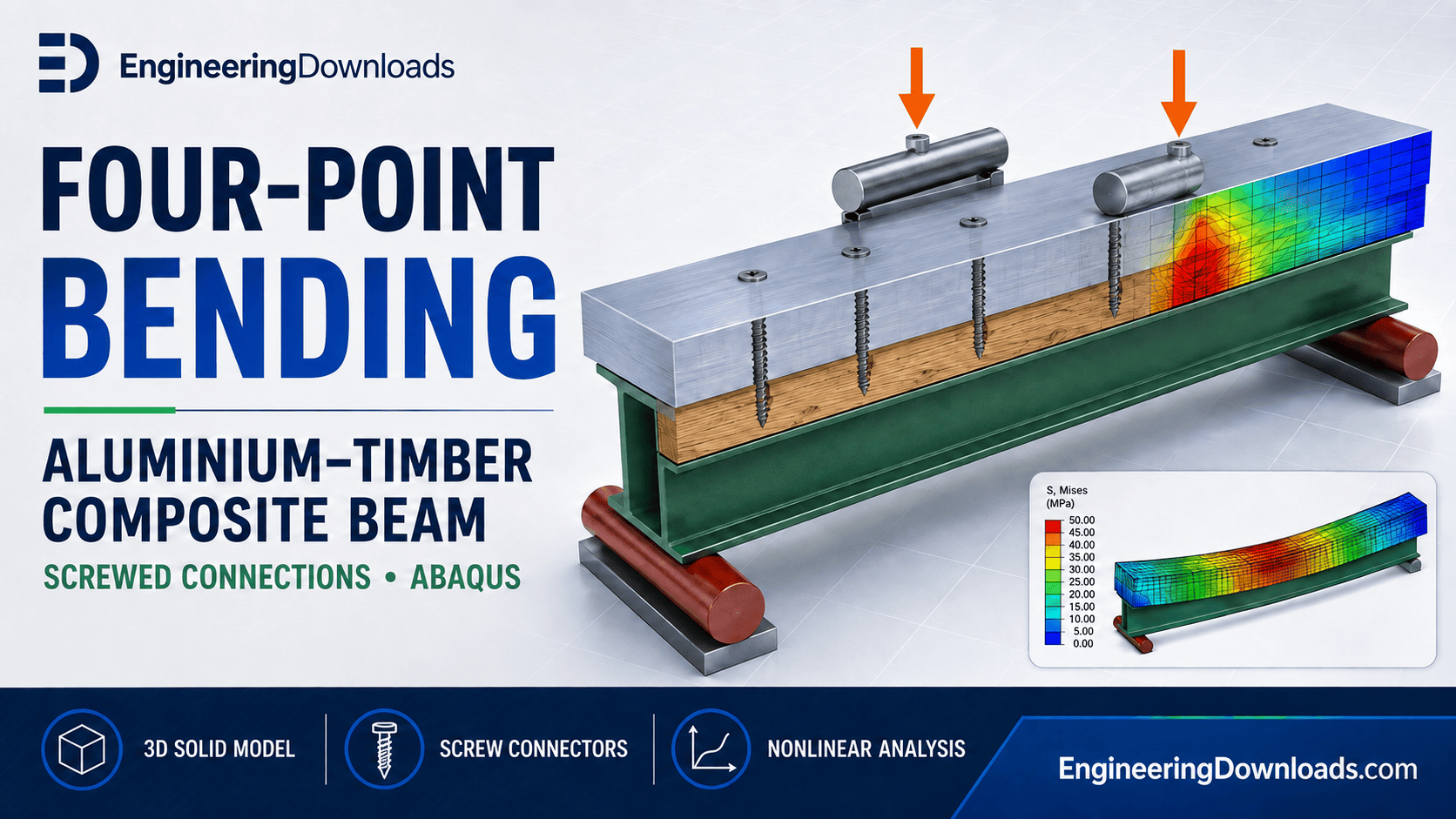
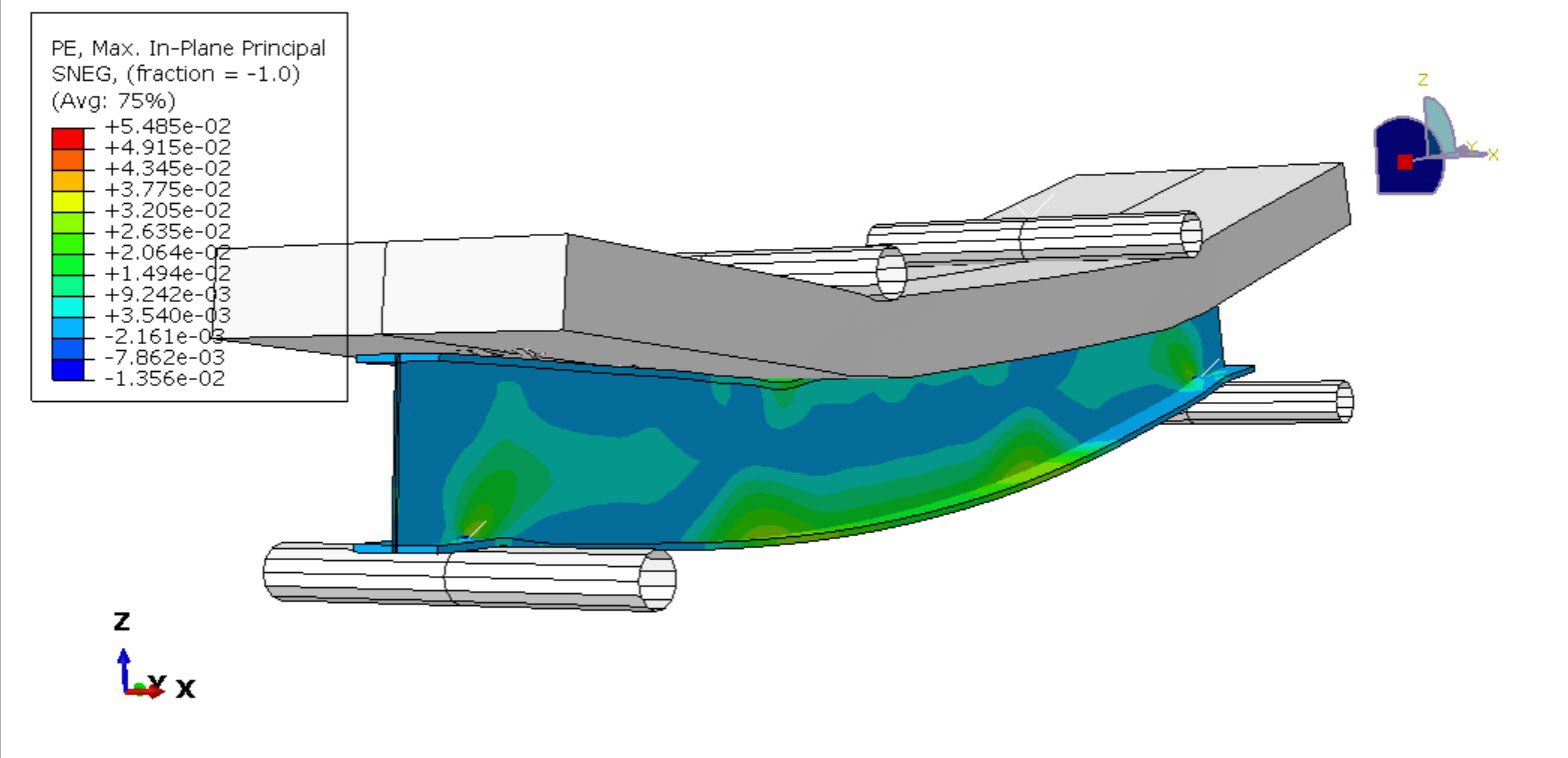
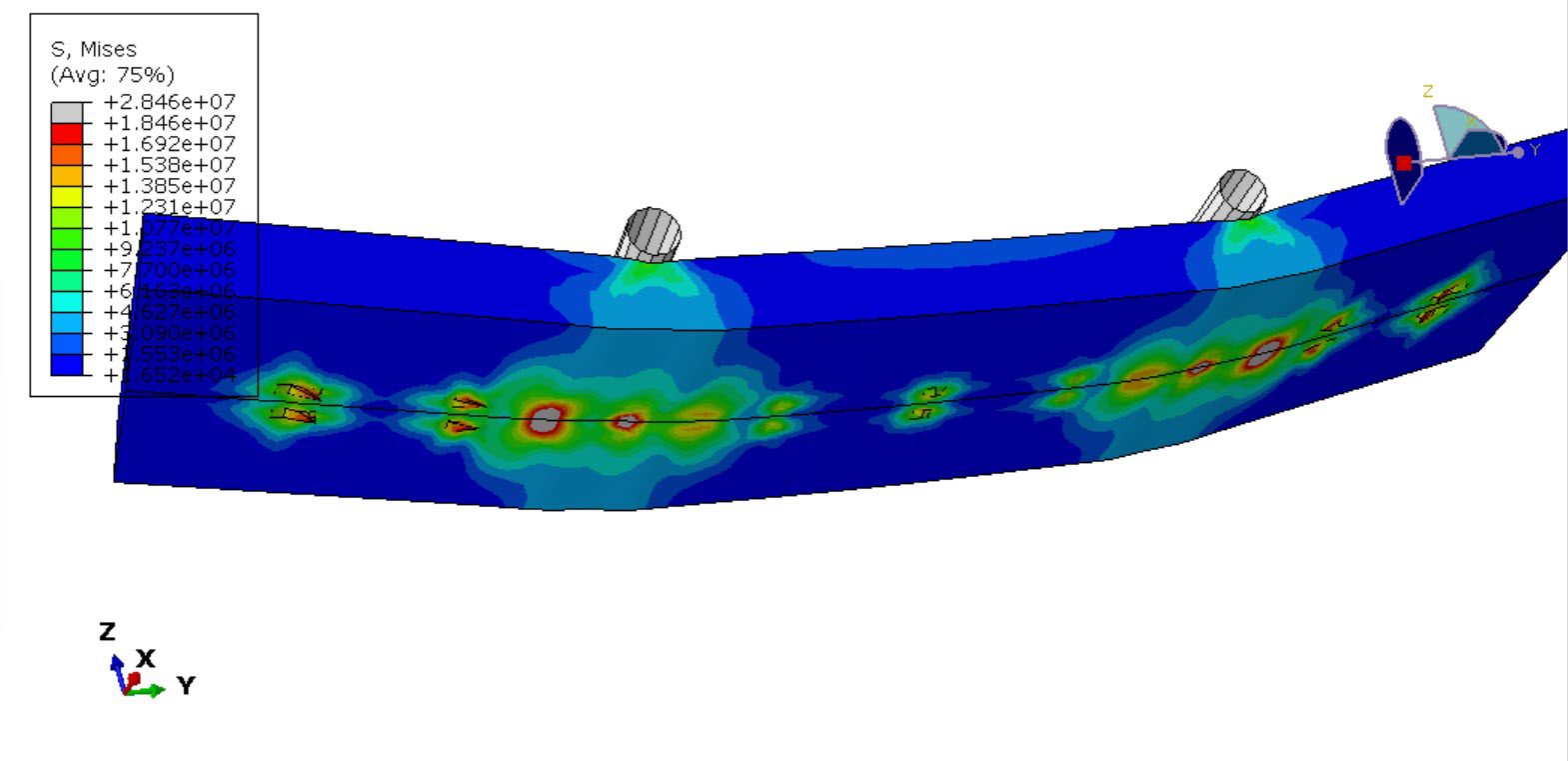
In this study, a three-dimensional finite element model of an aluminium–timber composite beam with screwed connections was developed using Abaqus/Explicit. The aluminium beam was modeled using an elastic-plastic constitutive law to capture yielding and post-yield behavior under bending. The timber component was represented using an elastic-plastic material model with Hill’s anisotropic yield potential, allowing the directional mechanical properties of wood to be considered. The interaction between the aluminium beam and timber member was achieved through discrete screw connections represented by beam connector elements, which simulate the load-transfer mechanism between the two materials. The four-point bending configuration was reproduced by applying displacement-controlled loading through loading rollers while appropriate support conditions were imposed at the beam ends.
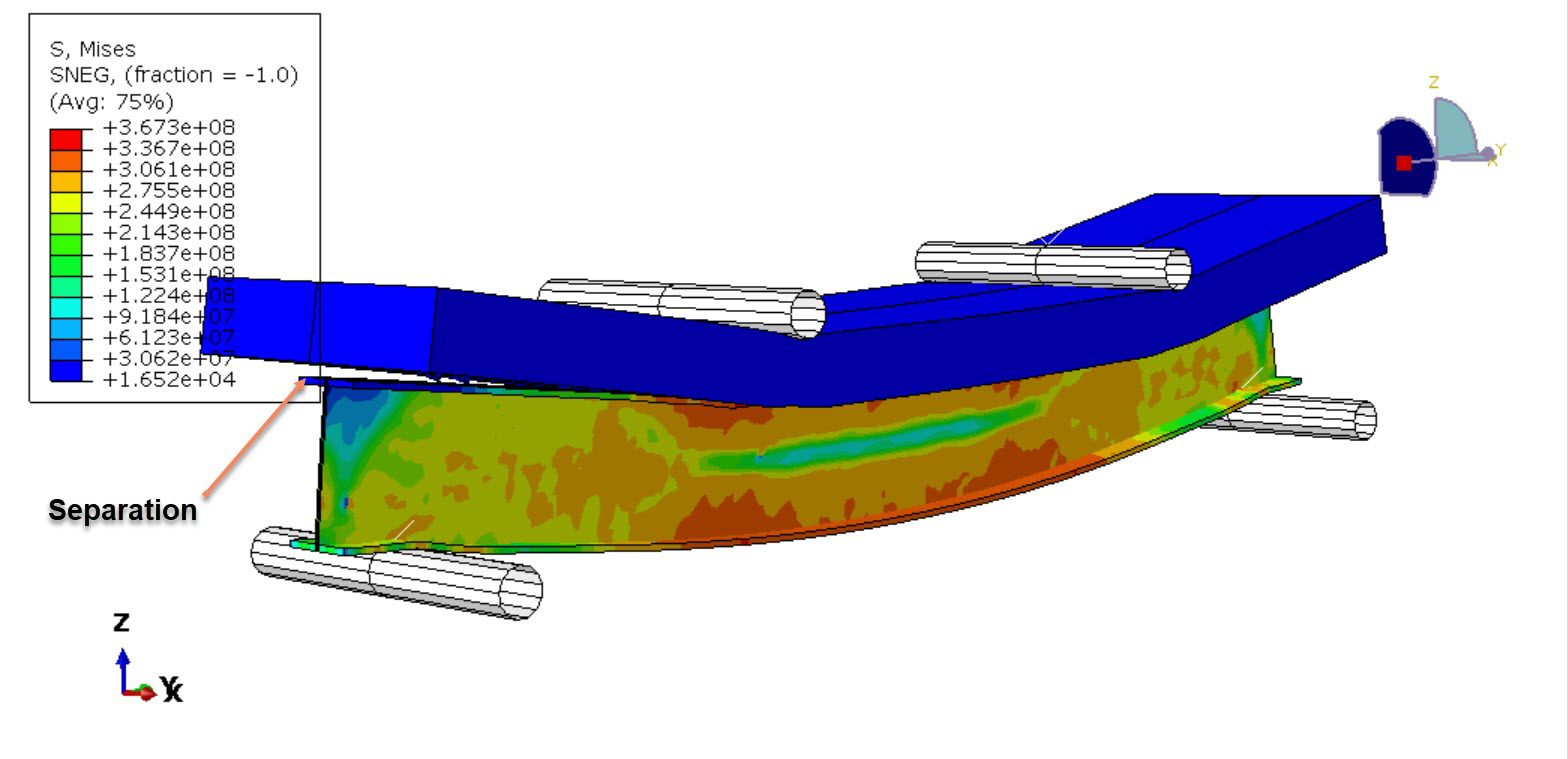
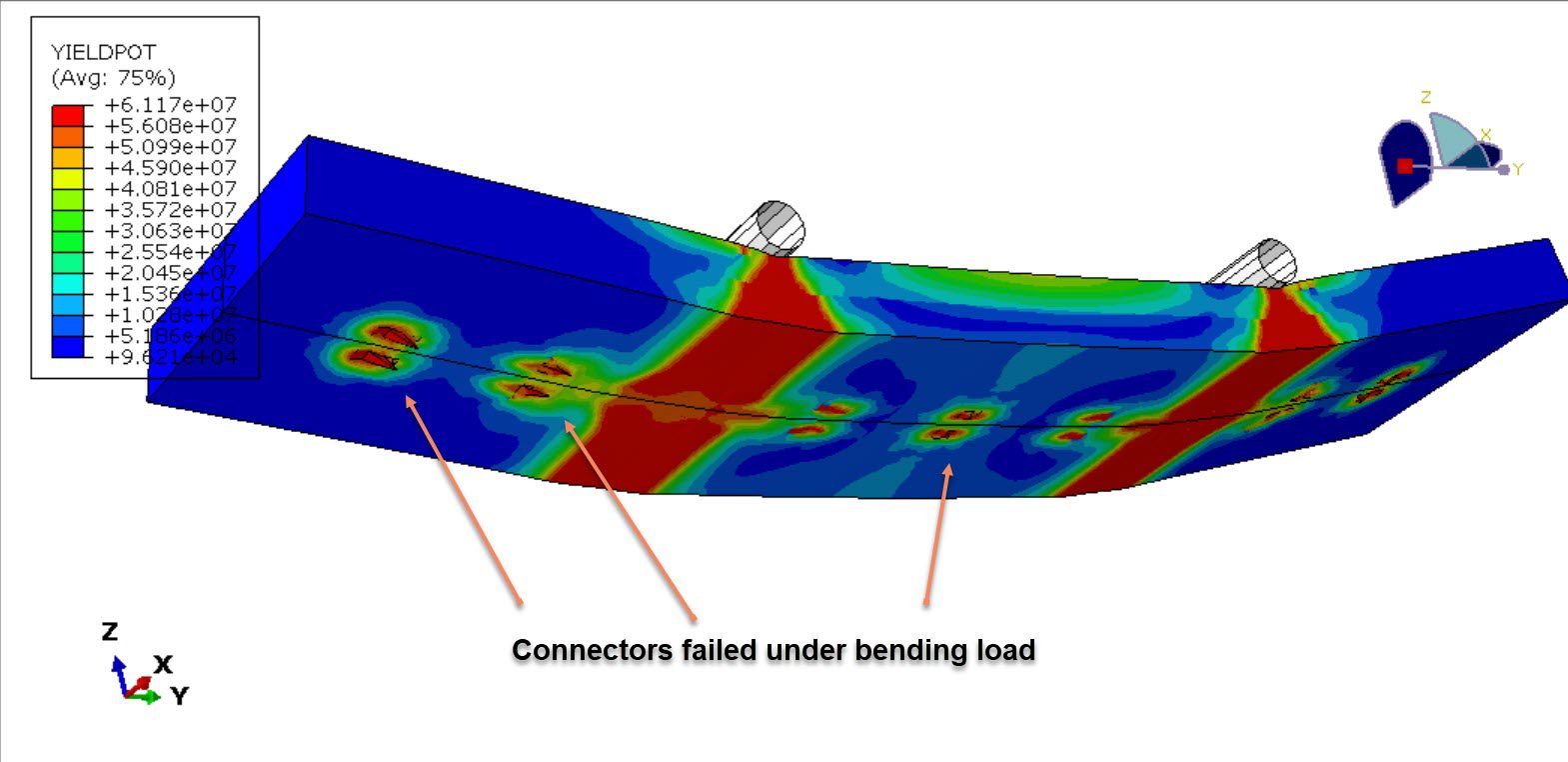
The numerical model was employed to investigate the flexural response of the composite beam, including stress and strain distributions, load–deformation behavior, deflection characteristics, and failure mechanisms. Particular attention was given to identifying timber failure, connection failure, yielding of the aluminium beam, and the influence of the screw connectors on composite action. The results provide insight into the structural performance of screwed aluminium–timber composite beams and contribute to the development of efficient hybrid structural systems for engineering applications.
Related model: Four-point bending of a bolted timber-steel composite beam in Abaqus.
Need more than the files?
There are two ways we can help. Book a one hour online consultation if you want to talk a problem through with a CAE engineer, using the checkbox in the order box. Order a project if you need a full simulation built for you, delivered to an agreed scope, price and deadline under a written contract.
We work on FEA and CFD for engineers, researchers and companies. Order your project, or message us on WhatsApp for a quick reply.
Other packages engineers working on this topic also download.
 Wood Analysis Package in Abaqus
 Fire Analysis of Timber–Steel Bolted Connections in Abaqus | Sequential Thermal–Structural Simulation
 Analysis of the SSFRRC composite beam under air blast load
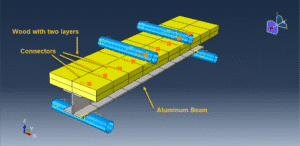 Bending test analysis of an aluminium-timber composite beam
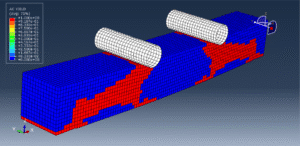 Fire analysis of a timber beam-sequential method
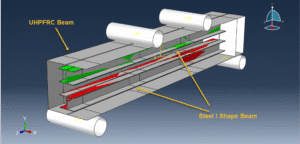 Simulation dynamic bending test of steel-UHPFRC composite beam(column) with multiple encased steel profiles in Abaqus
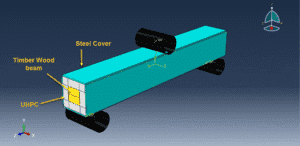 Simulation of Bending Test on a Wood–UHPC–Steel Composite Beam in Abaqus
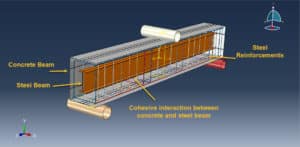 Bending test analysis of the steel-concrete composite beam in the SRC structure

Need a full custom project? See the options below.

€129,00

€179,00

€149,00

€119,00

€129,00
See more
Want to receive push notifications for all major on-site activities?