


Need a full custom project? See the options below.
Need a full custom project? See the options below.
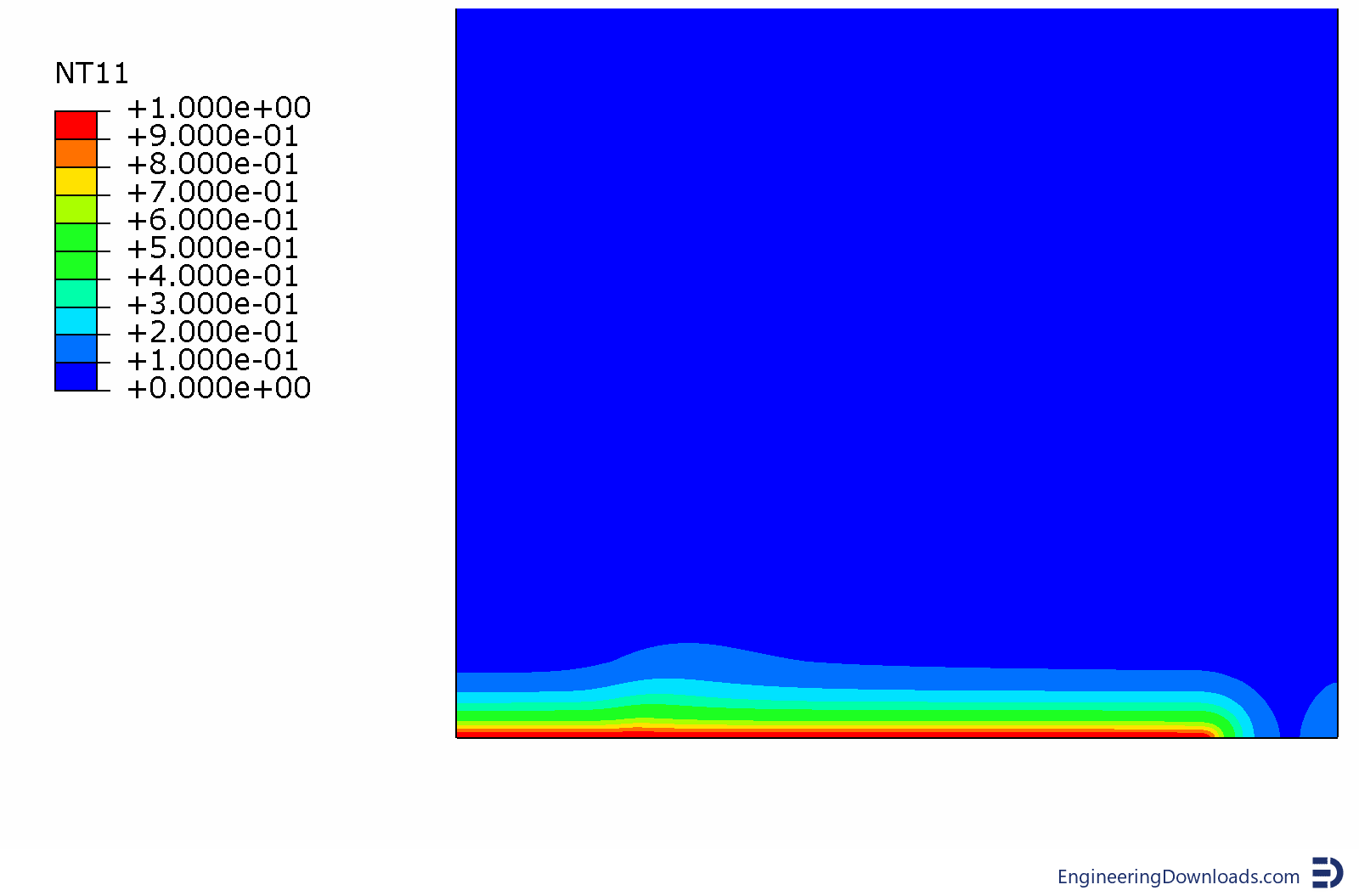
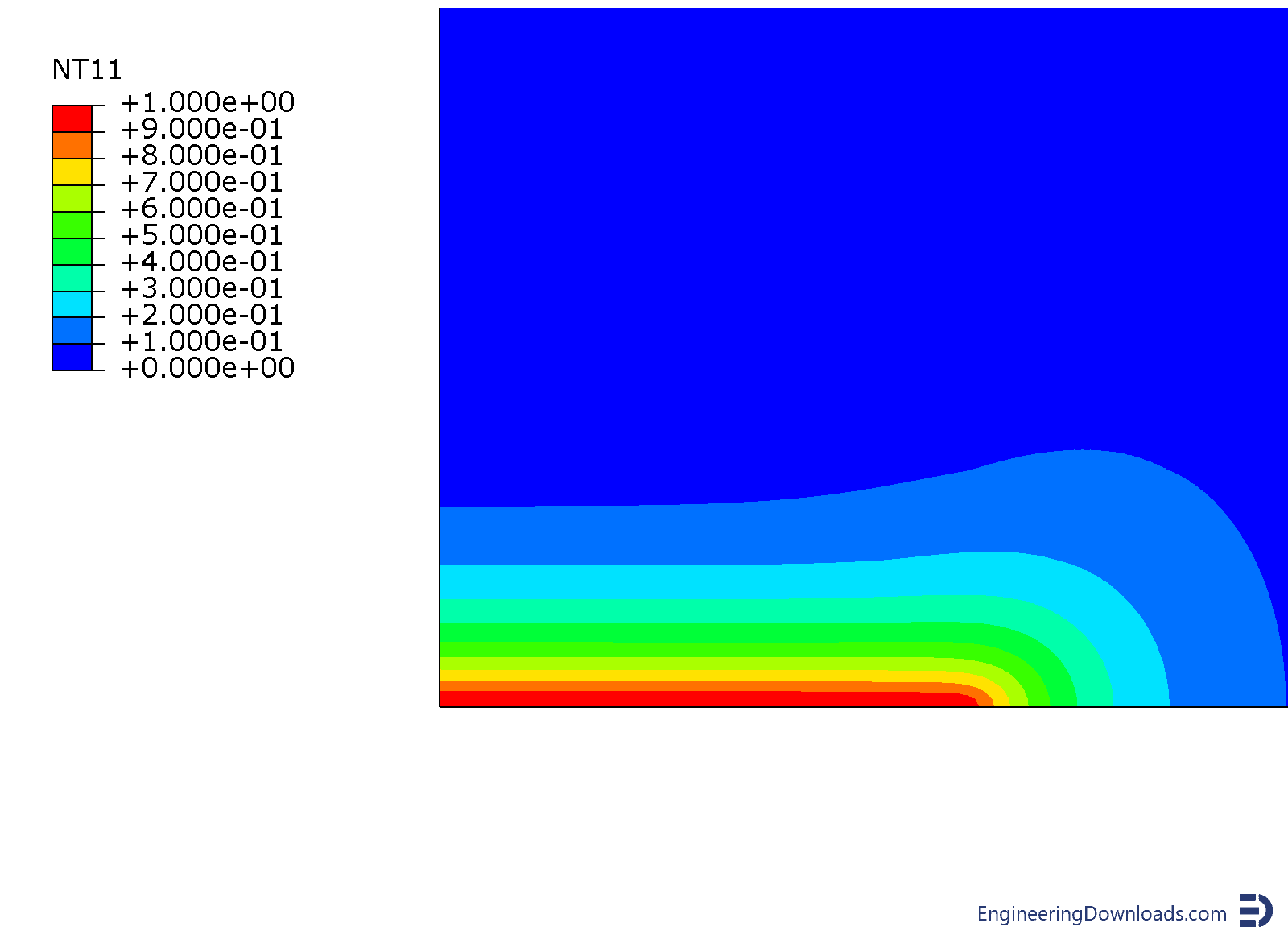
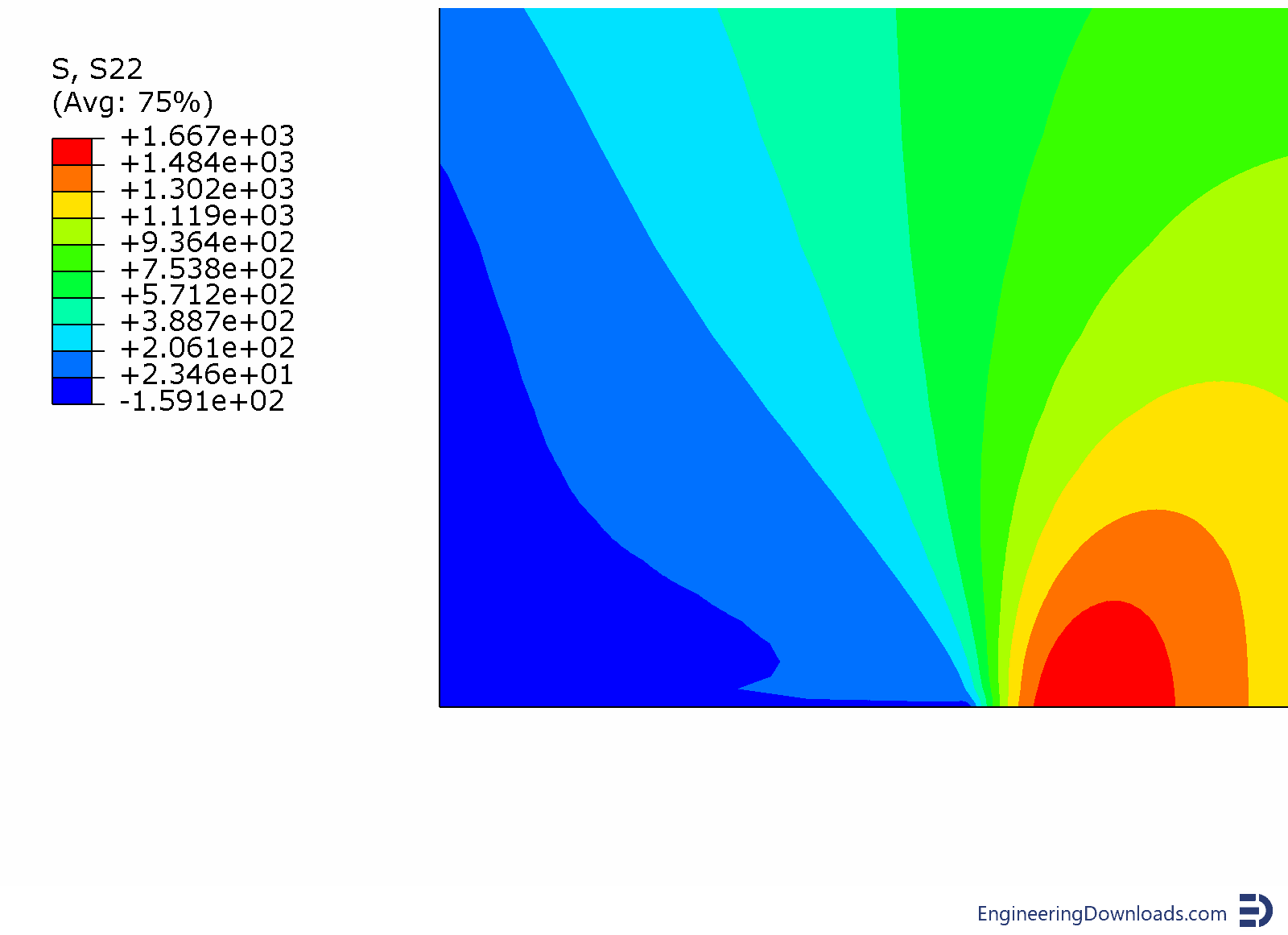
A phase field fracture model for Abaqus/Standard: the AT1 and AT2 formulations of Kristensen, Niordson and Martínez-Pañeda (Phil. Trans. R. Soc. A 379, 2021), implemented as a UMAT with the phase field solved through the heat-equation analogy. You get three ready-to-run input files, the Fortran subroutines, a one-click Python workflow that solves every job and compares the results, Abaqus result pictures and a PDF tutorial.
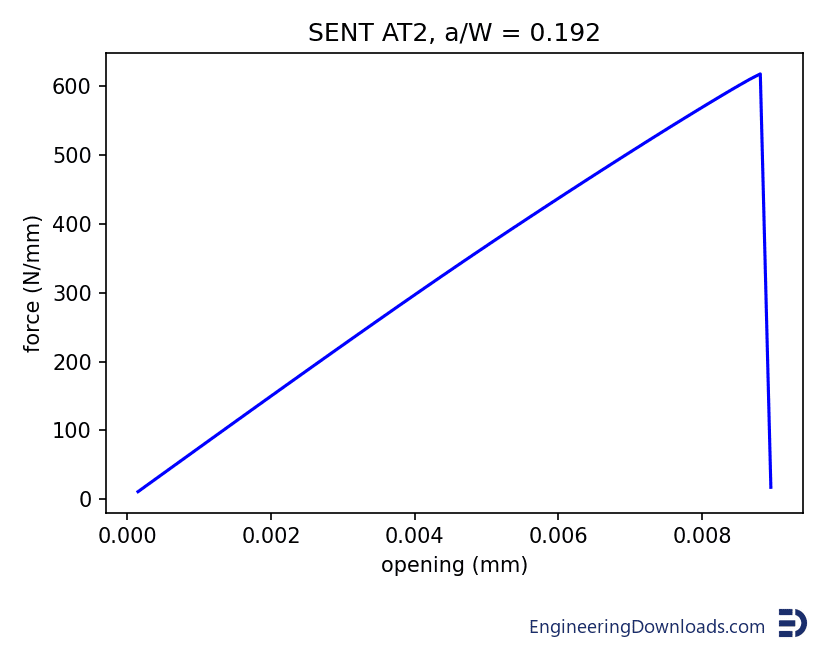
The paper assesses how well phase field models predict crack initiation and crack growth. It compares the AT1 and AT2 formulations, shows how the length scale links the model to the material strength, and tests the predictions on cracked and notched specimens against fracture-mechanics and strength-based expectations. This package reproduces the material-level behaviour of both formulations and one edge-cracked tension specimen in Abaqus.
| Feature | Abaqus implementation |
|---|---|
| Element | CPE4T coupled temperature-displacement element; the temperature degree of freedom NT11 carries the phase field (heat-equation analogy) |
| Material | E = 210,000 MPa, ν = 0.3, Gc = 2.7 N/mm, length scale 0.03 mm, plane strain |
| Formulations | AT1 and AT2 degradation, irreversible history, phase bounds enforced at the integration points |
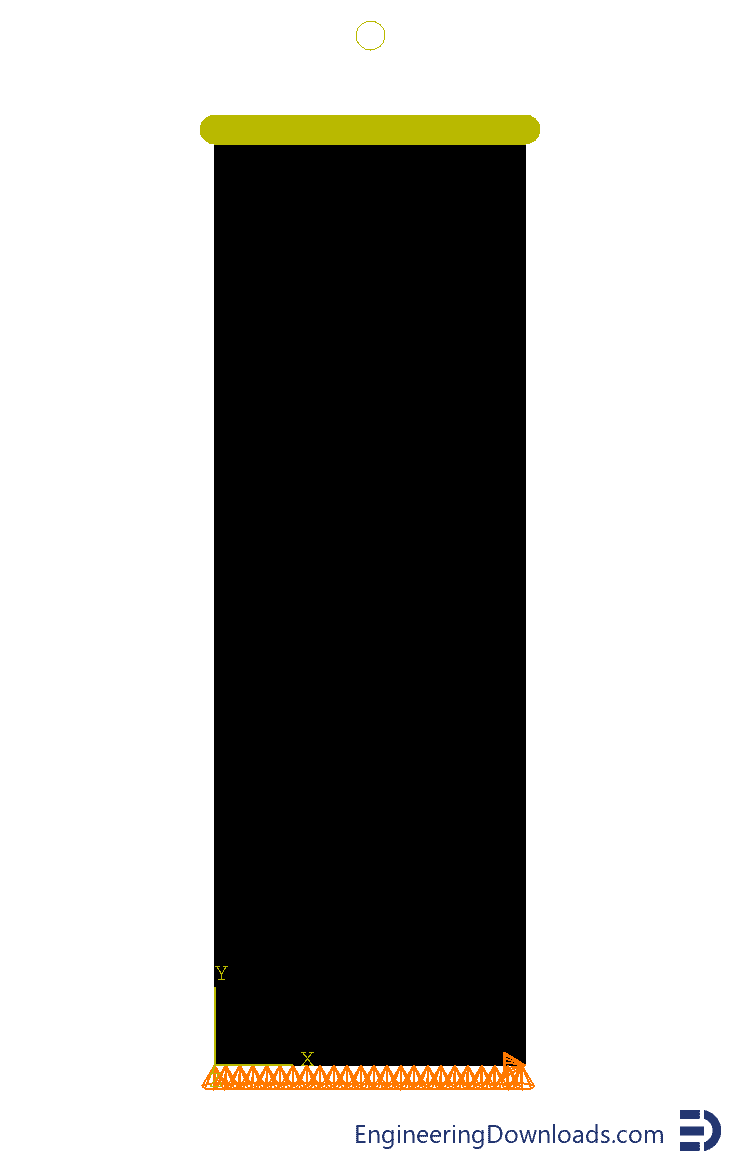
| Specimen | W = 1 mm, upper half 3 mm high, crack length a = 0.192 mm, symmetry on the lower edge |
| Loading | Displacement through one control point with a weighted-average opening equation: uniform traction, free end rotation |
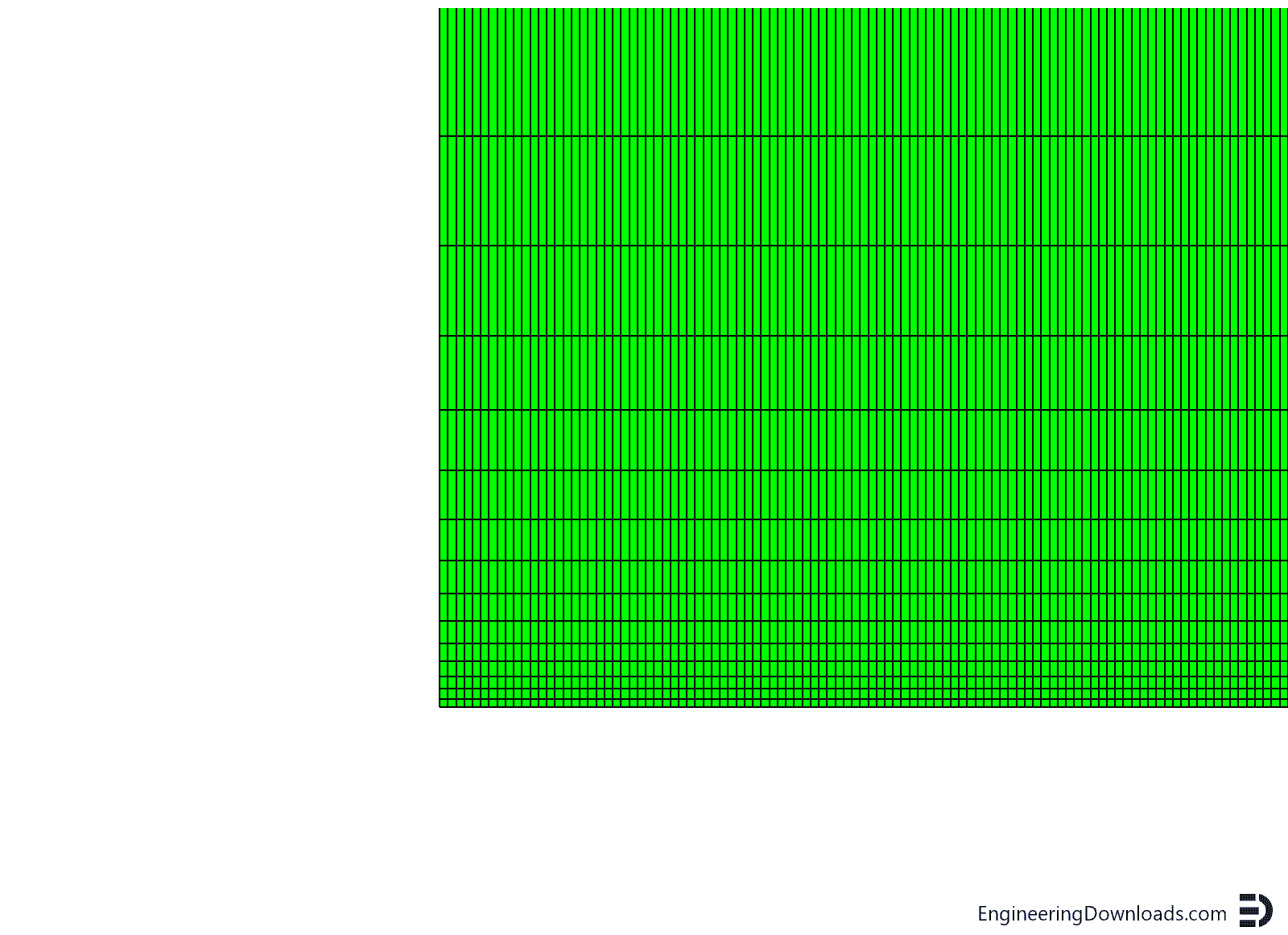
| Mesh | 9,018 CPE4T elements, first layer normal to the crack plane 0.003 mm (ℓ/h = 10) |
| Solution | Staggered scheme with controlled load increments, four cores |
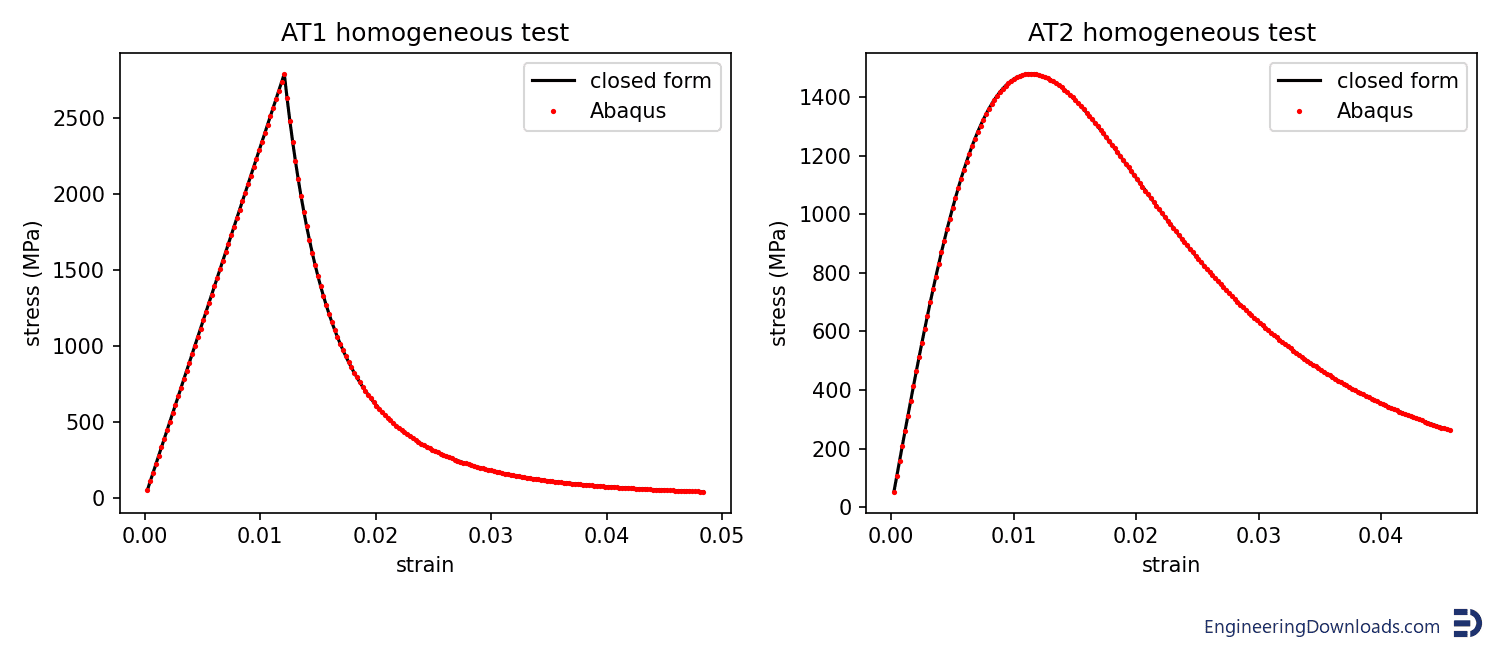

S. Kristensen, C.F. Niordson, E. Martínez-Pañeda, An assessment of phase field fracture: crack initiation and growth, Phil. Trans. R. Soc. A 379 (2021) 20210021, doi 10.1098/rsta.2021.0021. The paper is cited, not bundled. The heat-analogy implementation follows Navidtehrani et al., Materials 14 (2021) 1913.
Which paper does this follow? Kristensen, Niordson and Martínez-Pañeda, Phil. Trans. R. Soc. A 379 (2021) 20210021.
Do I need a Fortran compiler? Yes. The phase field is implemented in user subroutines, so Abaqus must be linked to a Fortran compiler.
Why is the phase field a temperature? The phase field equation has the form of steady heat conduction, so it is solved as the temperature degree of freedom. NT11 is the phase field, not a physical temperature.
Can I change the material or the length scale? Yes. The values are on the *User Material line of each input file.
Is it a design tool? No. It is a research and learning model and does not replace an assessment by a qualified engineer.
Need more than the files?
There are two ways we can help. Book a one hour online consultation if you want to talk a problem through with a CAE engineer, using the checkbox in the order box. Order a project if you need a full simulation built for you, delivered to an agreed scope, price and deadline under a written contract.
We work on FEA and CFD for engineers, researchers and companies. Order your project, or message us on WhatsApp for a quick reply.
Other packages engineers working on this topic also download.
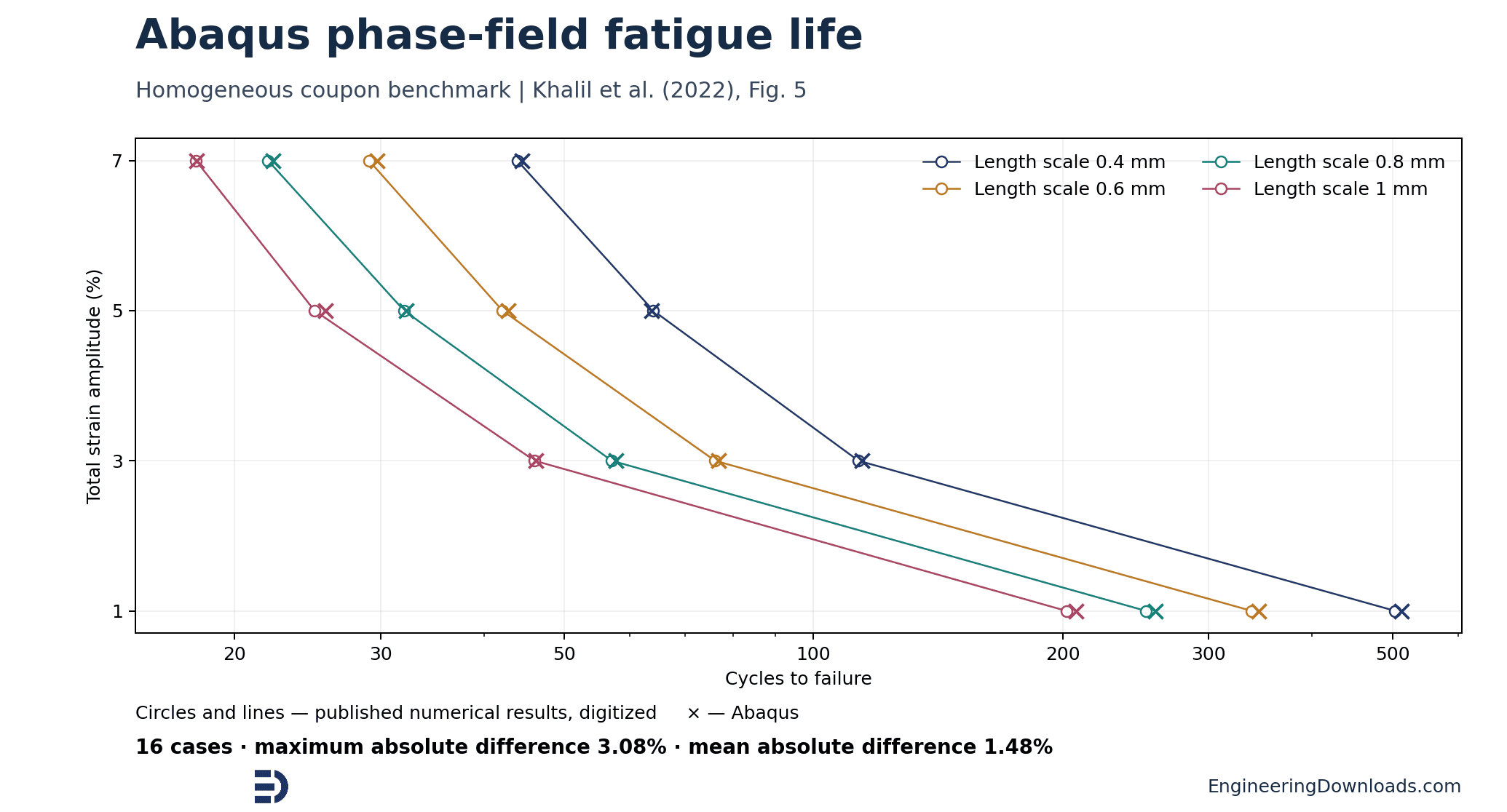 Abaqus Phase-Field Fatigue Life: Validated Coupon Benchmark€169,00
 Composite Fatigue UMAT for Abaqus: Hashin, Tsai-Hill and Maximum-Stress Criteria€159,00
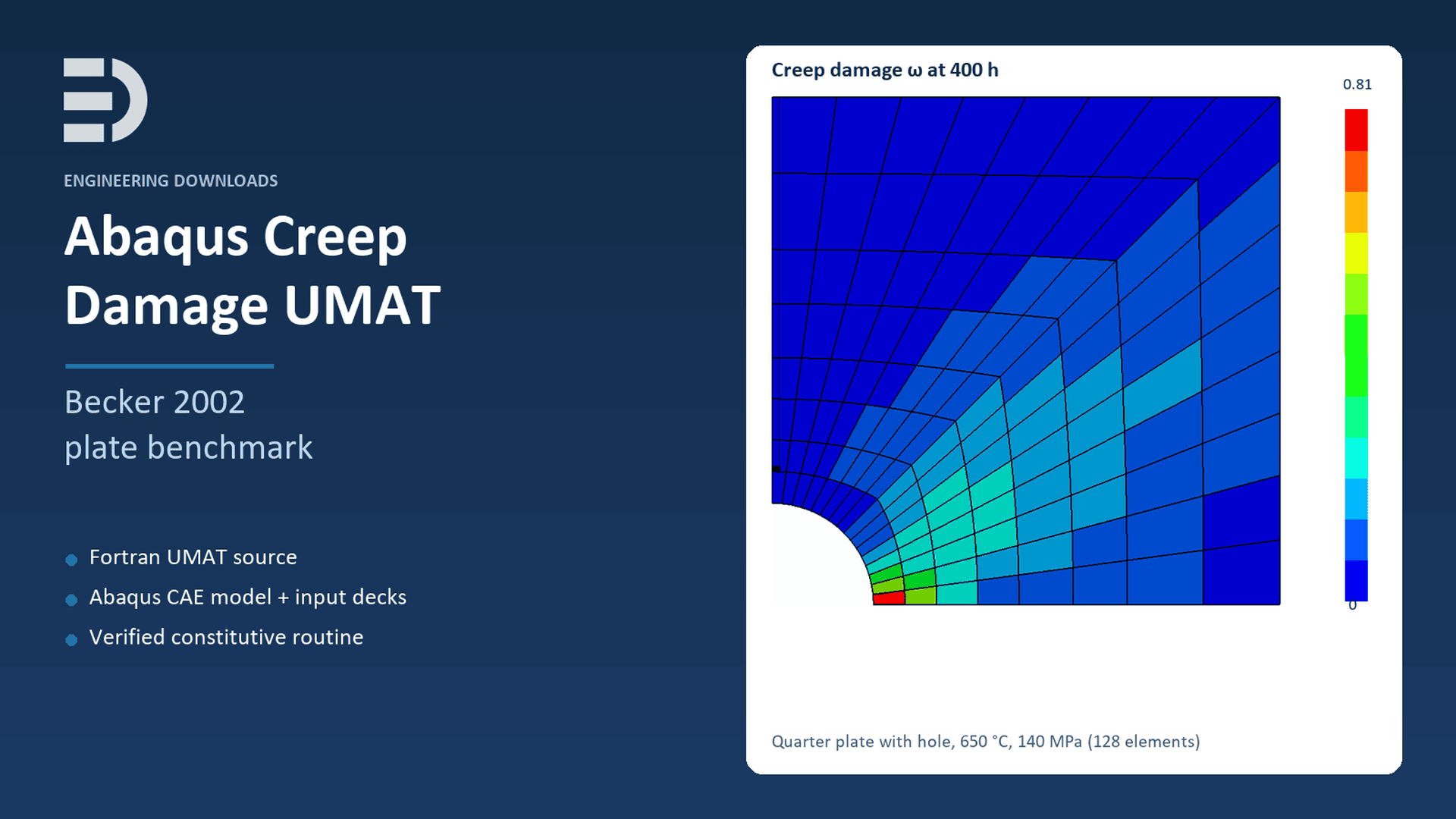 Creep Continuum Damage UMAT in Abaqus: Becker 2002 Perforated Plate Benchmark€49,00
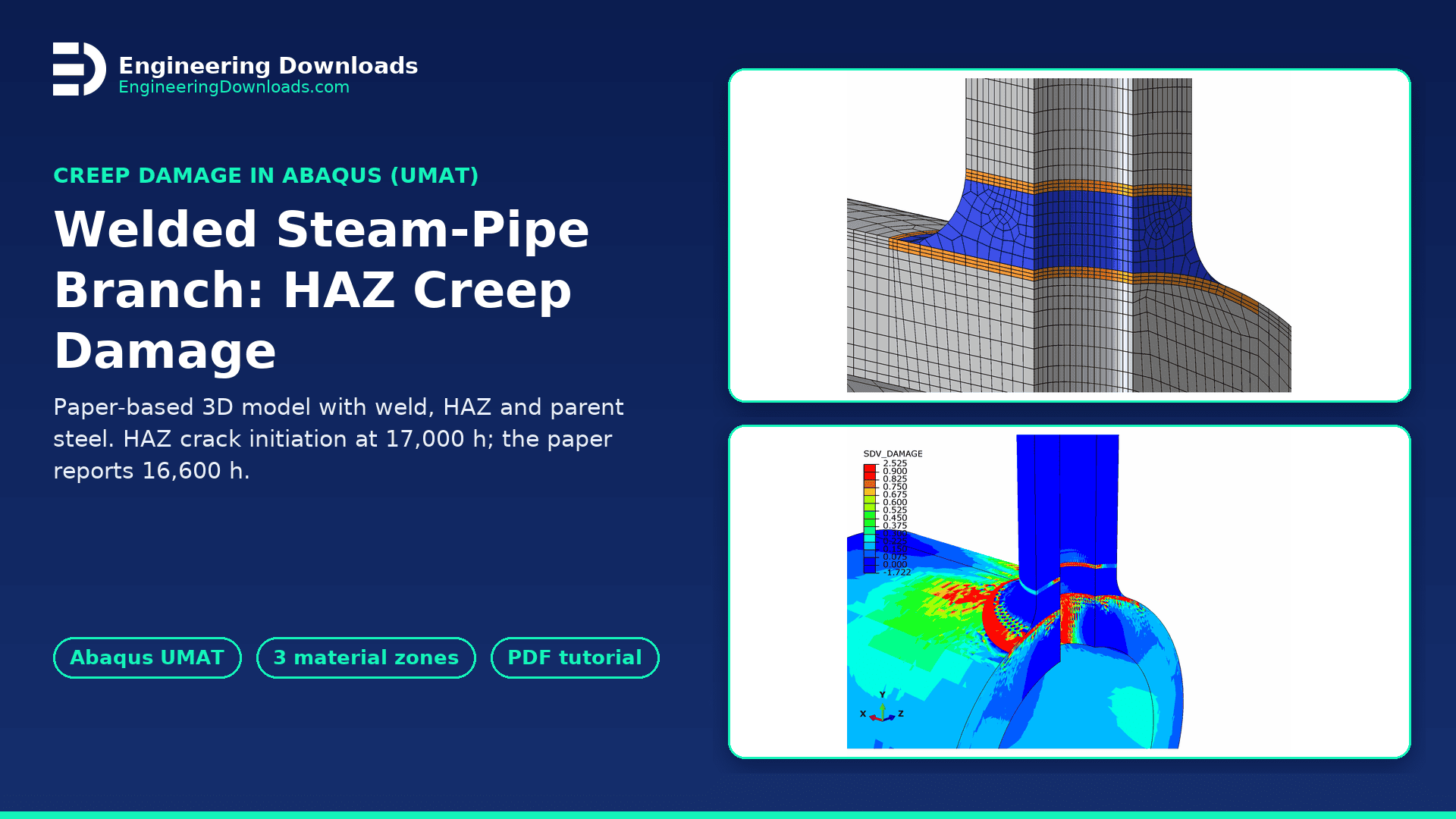 Creep Damage Analysis of a Welded Steam Pipe Branch in Abaqus: UMAT, HAZ Hex Mesh and Paper Comparison€149,00
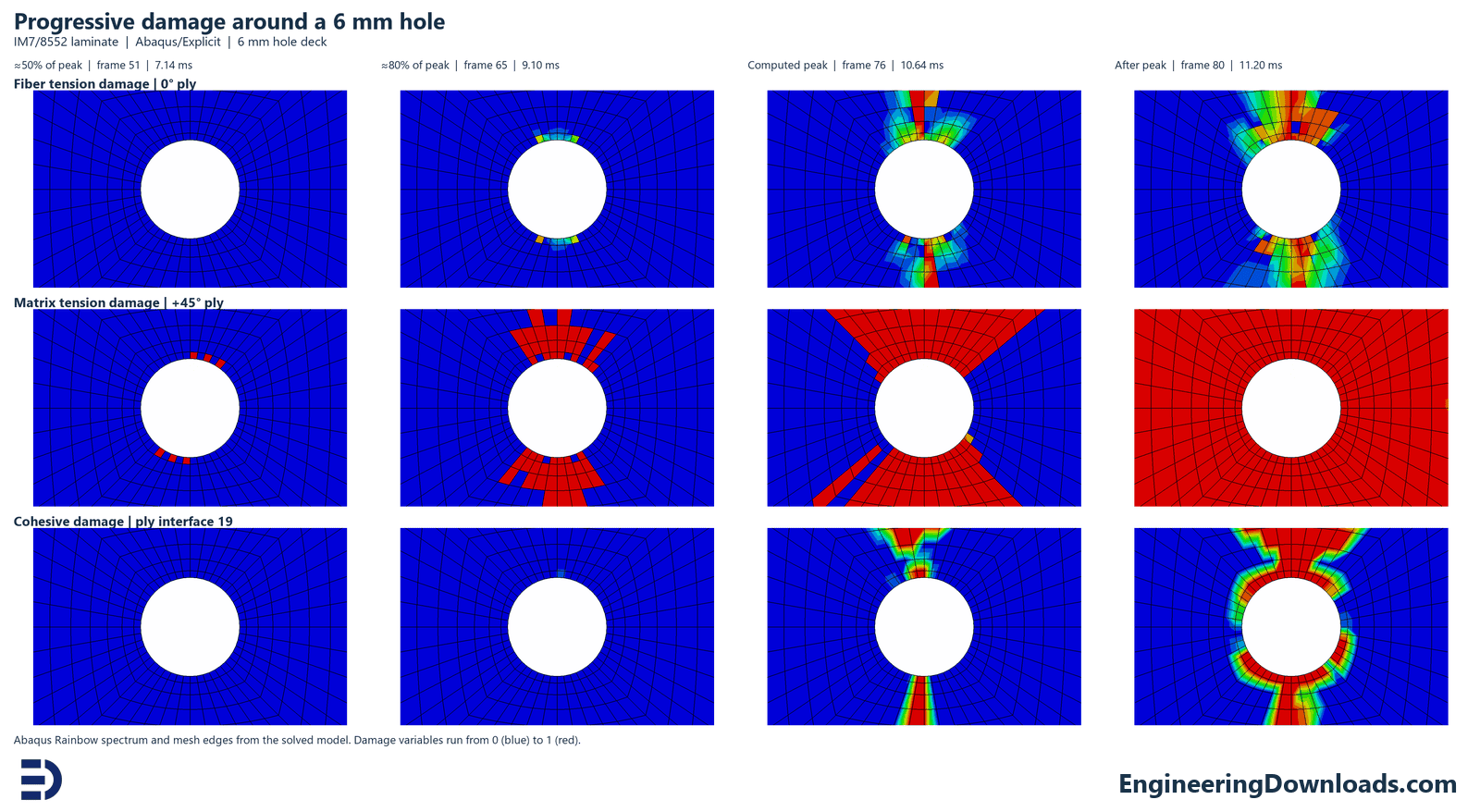 3D Hashin Progressive Damage VUMAT for Abaqus: Open-Hole Laminate with Cohesive Delamination€159,00
 LPBF 316L Residual Stress and Cantilever Distortion in Abaqus: Sequentially Coupled Thermal-Stress Model with DFLUX and USDFLD Subroutines€159,00
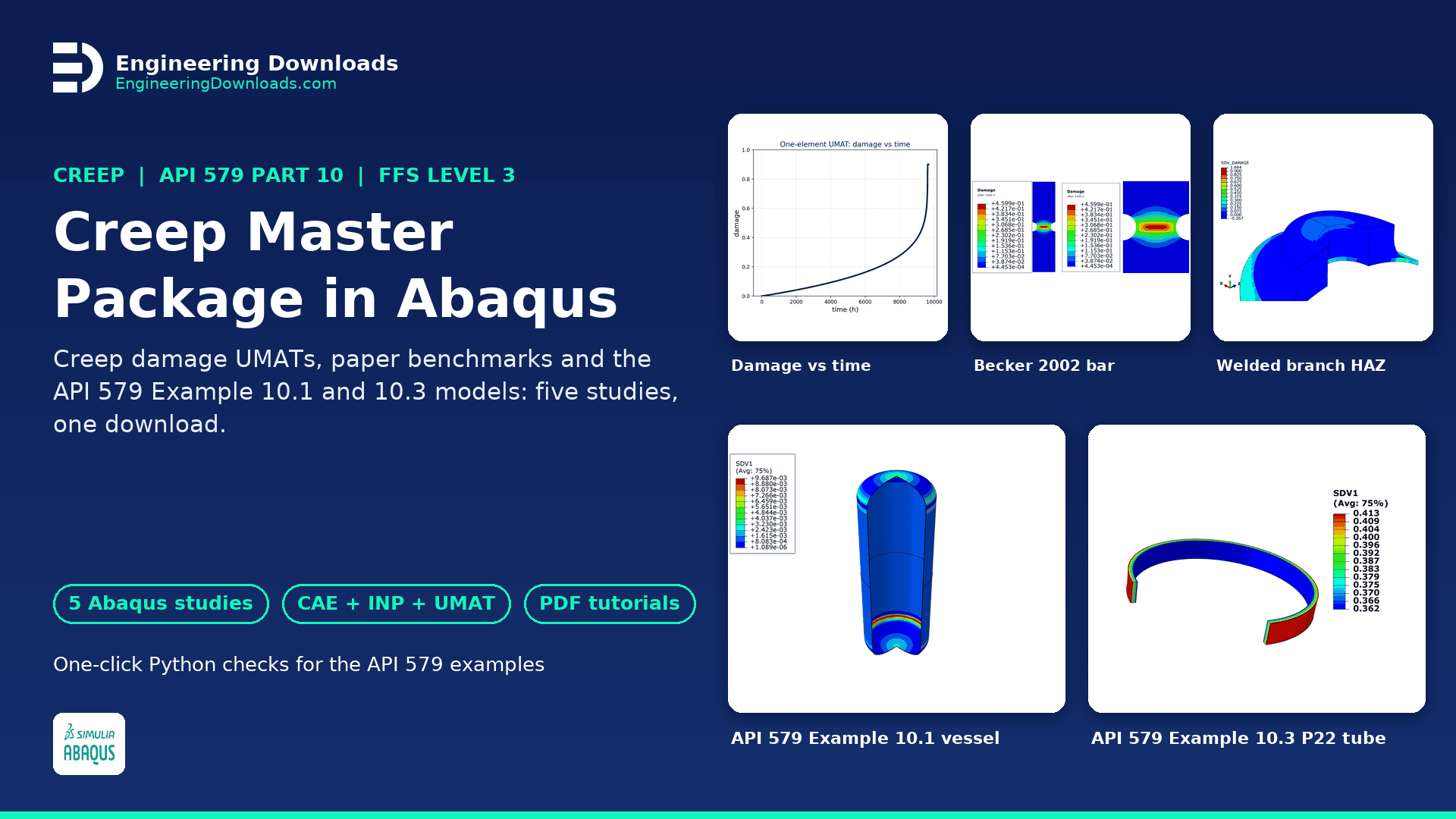 Creep Master Package in Abaqus: API 579 Part 10 Examples 10.1 and 10.3, Creep Damage UMAT and Paper Benchmarks€299,00
 Fixed Tubesheet Heat Exchanger in Abaqus: Plastic Load and Limit Load Replication of a Journal Paper€99,00

Need a full custom project? See the options below.

€129,00

€179,00

€149,00

€119,00

€129,00

€149,00
See more
Want to receive push notifications for all major on-site activities?



