New Blogs

Abaqus Integration Point vs Nodal Stress: Why Peaks Differ
Compare integration-point, element-nodal and unique-nodal stress in Abaqus, and check whether a contour peak depends on extrapolation, averaging or mesh size.
Abaqus Linear Perturbation vs General Step: What Actually Changes

You run a frequency extraction after a static step and the frequencies come out the same whether or not the part had yielded. You run a static linear perturbation step and the reaction force is a fraction of what you

Harmonic Response Analysis in ANSYS Workbench: A Practical Guide
How to set up harmonic response analysis in ANSYS Workbench: modal link, frequency range, solution method, damping, loads and results, plus the common mistakes.
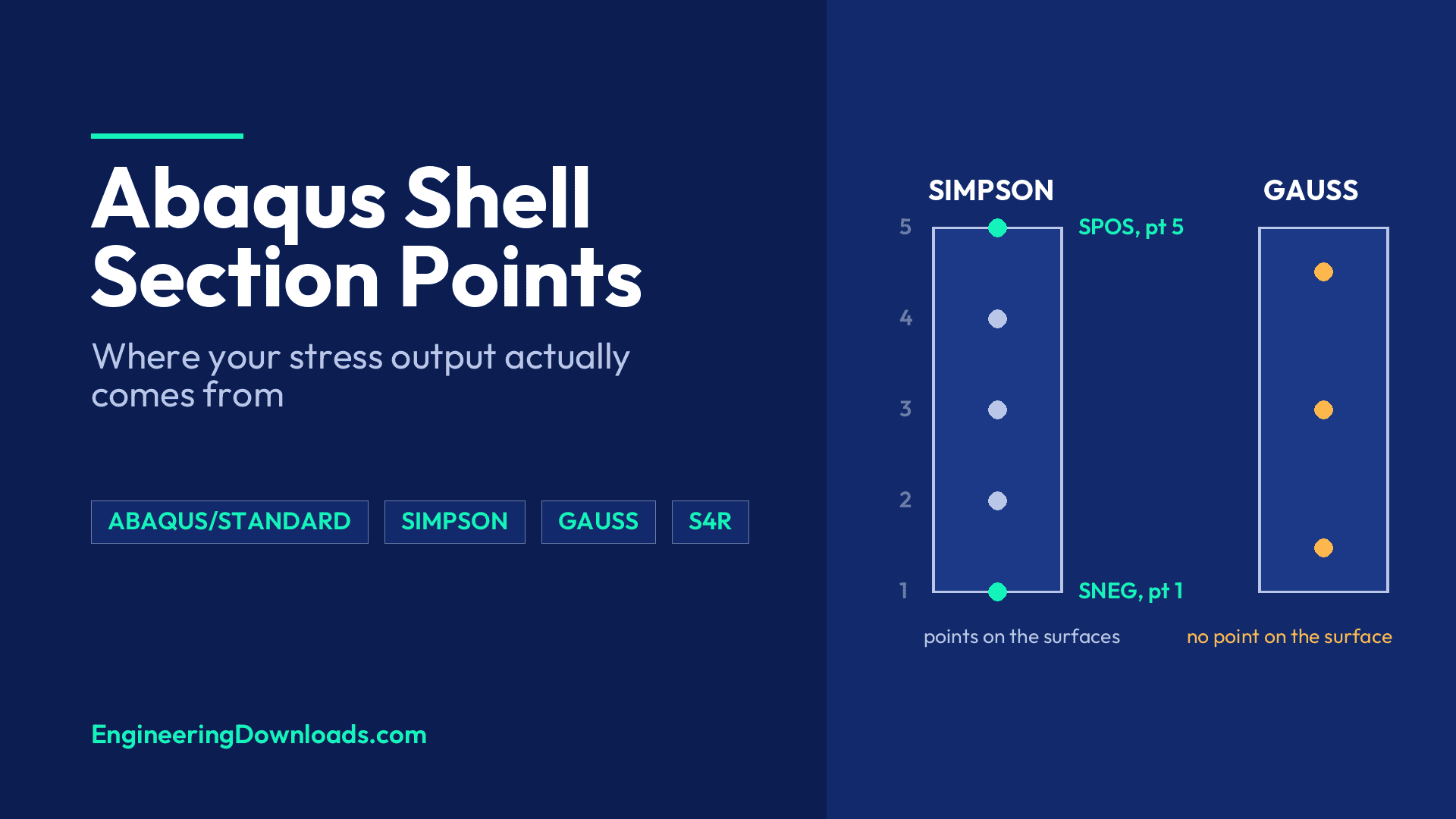
Abaqus Shell Section Points: Where Your Stress Output Comes From
What Abaqus shell section points are, the defaults you never chose, Simpson vs Gauss, SNEG and SPOS, and how to request the output location you actually need.
Abaqus NLGEOM On or Off: When Geometric Nonlinearity Changes Your Answer
What the Abaqus NLGEOM switch really does, why Standard and Explicit have opposite defaults, and how to decide which of your two answers to trust.

Featured Blogs

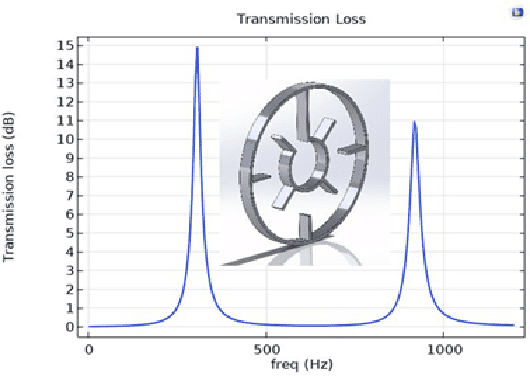
Acoustic metamaterials for advanced sound control and noise reduction
Acoustic Metamaterials and Metasurfaces: Shaping the Future of Sound Control

Intro Acoustic metamaterials and acoustic meta surfaces are changing how we control sound waves. These specially designed structures go beyond the limits of traditional soundproofing. They offer new ways to control sound, such as reducing noise over a wide frequency

OpenSees software simulation of nonlinear seismic response in a reinforced concrete frame
OpenSees for Structural Analysis

OpenSees (Open System for Earthquake Engineering Simulation) is an open-source software framework developed primarily for nonlinear structural and geotechnical analysis, with a strong emphasis on earthquake engineering. Developed at UC Berkeley’s Pacific Earthquake Engineering Research Center (PEER), it provides a

Abaqus or ANSYS : Which one is better?
Which one is better? Abaqus or ANSYS?

As an engineer, we need to build a model to simulate a process so we can save many and reduce processing time. For this aim, we need to use conventional solvers such as Abaqus, ANSYS, Solidwork (I know, Solidwork solver

See more

Latest Blogs

Abaqus Integration Point vs Nodal Stress: Why Peaks Differ
Compare integration-point, element-nodal and unique-nodal stress in Abaqus, and check whether a contour peak depends on extrapolation, averaging or mesh size.
Abaqus Linear Perturbation vs General Step: What Actually Changes

You run a frequency extraction after a static step and the frequencies come out the same whether or not the part had yielded. You run a static linear perturbation step and the reaction force is a fraction of what you

Harmonic Response Analysis in ANSYS Workbench: A Practical Guide
How to set up harmonic response analysis in ANSYS Workbench: modal link, frequency range, solution method, damping, loads and results, plus the common mistakes.

See more

All articles

Thermal Analysis
Thermal Analysis: Principles, FEA, & Practical Applications

Introduction to Thermal Analysis Thermal analysis is an indispensable discipline within engineering, focusing on understanding and predicting how heat energy is transferred through and interacts with materials and systems. From the intricate circuitry of microelectronics to the vast structures of

Fatigue Analysis
Fatigue Analysis: Engineering Criticality & Practical Methods

Understanding Fatigue Analysis: A Critical Discipline for Structural Integrity In the realm of engineering design and structural integrity, understanding the long-term behavior of materials under cyclic loading is paramount. Fatigue analysis is the specialized discipline focused on predicting the life

Impact Engineering
Mastering Impact Engineering: Design for Ultimate Resilience

Understanding Impact Engineering: The Science of Survival Impact Engineering is a specialized field of engineering that focuses on designing structures, materials, and systems to withstand dynamic loads, sudden forces, and high-energy collisions. It encompasses the study of how materials and

MATLAB: The Ultimate Platform for Numerical Computing & Engineering

MATLAB: The Ultimate Platform for Numerical Computing and Engineering Design In the expansive world of scientific computing, data analysis, and engineering, one name stands out as a titan: MATLAB. Developed by MathWorks, MATLAB (short for “Matrix Laboratory”) is more than

Mastering MATLAB: Premier Platform for Numerical Computing

Mastering MATLAB: The Premier Platform for Numerical Computing and Engineering Design In the expansive realm of scientific computing, engineering design, and data analysis, one name consistently stands out as a foundational and indispensable tool: MATLAB. Developed by MathWorks, MATLAB, which

Impact Engineering: Principles, Applications, and Future Trends

Impact Engineering: Principles, Applications, and Future Trends In a world where safety, durability, and performance under extreme conditions are paramount, Impact Engineering emerges as a critical discipline. This specialized field of engineering focuses on understanding, predicting, and mitigating the effects

Composite Pressure Vessels
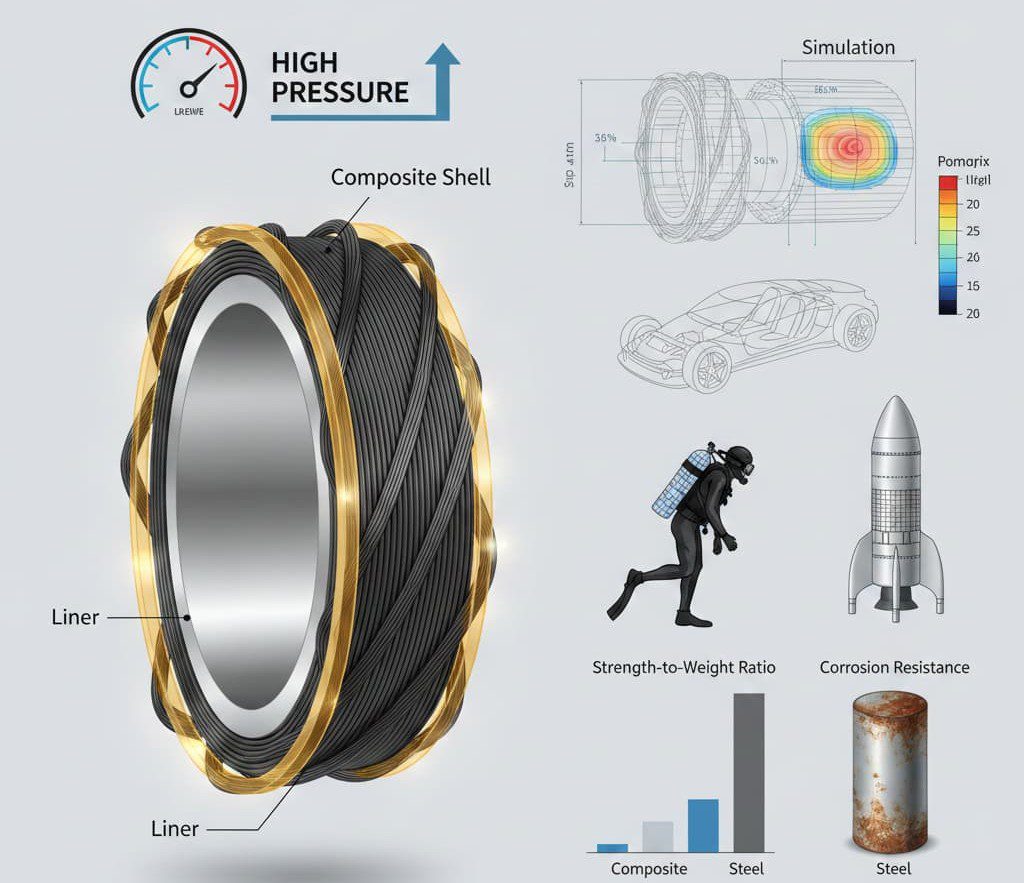
Composite Pressure Vessels: The Ultimate Guide to Manufacturing and Simulation

Composite Pressure Vessels: The Ultimate Guide to Manufacturing and Simulation Composite Pressure Vessels are revolutionizing how we store high-pressure fluids. They offer incredible strength at a fraction of the weight of traditional steel tanks. In this friendly yet professional guide,

Finite element analysis
Finite Element Analysis (FEA): Comprehensive Guide & Apps

Finite Element Analysis (FEA): A Comprehensive Guide to Modern Engineering Simulation In the realm of modern engineering, the ability to predict how designs will perform under various real-world conditions is paramount. This is where Finite Element Analysis (FEA) emerges as

Structural optimization
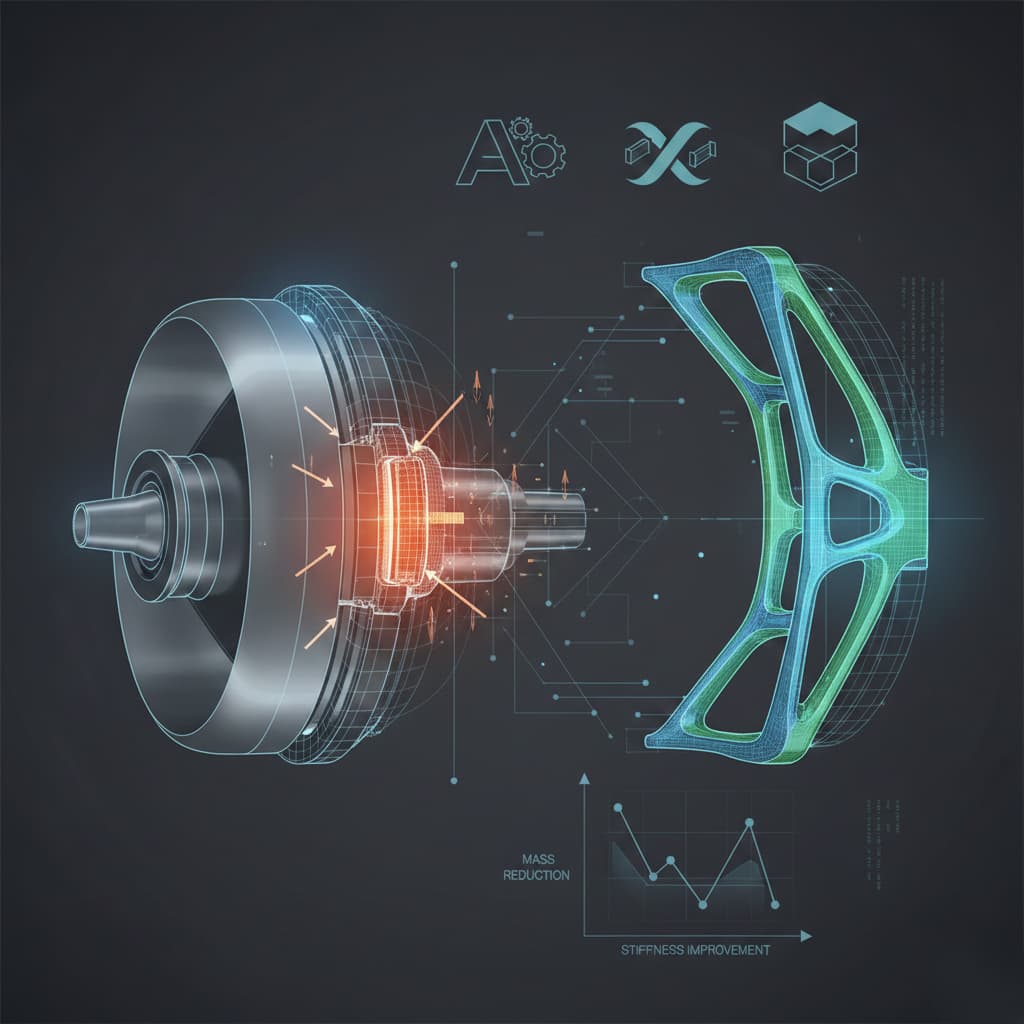
Structural Optimization Guide: Building Smarter, Lighter, and Stronger Designs

Introduction Structural optimization is an established engineering methodology used to improve structural designs by systematically changing material distribution, geometry, or member sizing to meet defined performance targets. In most engineering organizations, optimization is no longer “nice to have.” It is

HPC cloud for simulation
HPC Cloud: Accelerating Engineering Simulations (FEA, CFD) and AI at Low Cost

High-Performance Computing (HPC) is transforming how engineers and researchers tackle complex simulations and data-intensive tasks. Whether you’re running a finite element analysis (FEA) in Abaqus, a computational fluid dynamics (CFD) model in ANSYS Fluent, a Multiphysics simulation in COMSOL, structural

Engineering Simulation Internship Program

Our 3-month online internship immerses engineering students and researchers in hands-on simulation projects beyond the classroom. We focus on practical experience with professional CFD and FEA tools such as Abaqus, ANSYS (including Fluent), COMSOL, LS-DYNA, OpenSees, OpenFOAM and more. Under

Thermal stress analysis
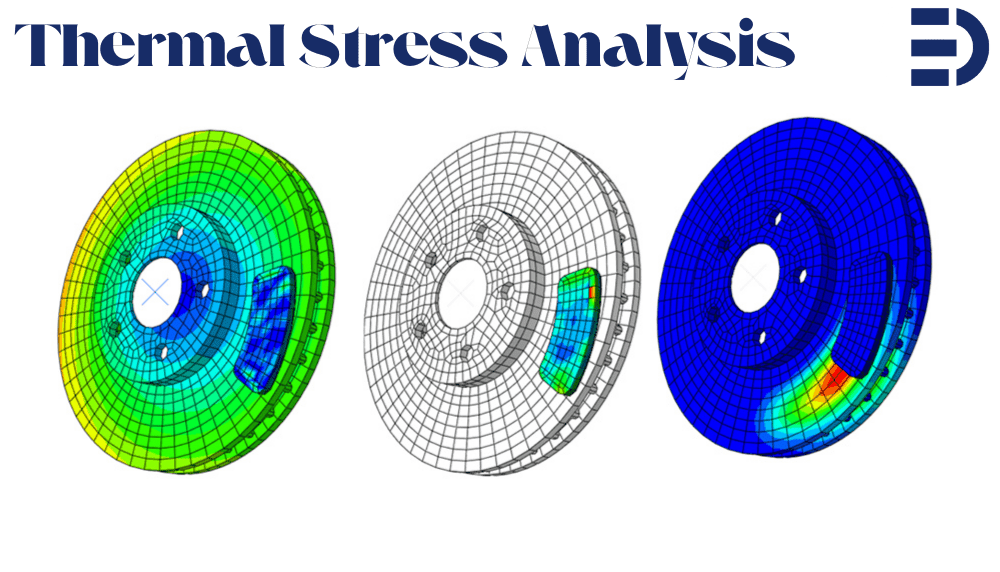
What Is Thermal Stress Analysis? Abaqus and ANSYS Guide Explained

Thermal stress analysis is the process of evaluating mechanical stress caused by temperature changes in materials and structures. When materials heat up, they tend to expand; when they cool down, they contract. If this expansion or contraction is unconstrained, the

See more