New Blogs

Abaqus Integration Point vs Nodal Stress: Why Peaks Differ
Compare integration-point, element-nodal and unique-nodal stress in Abaqus, and check whether a contour peak depends on extrapolation, averaging or mesh size.
Abaqus Linear Perturbation vs General Step: What Actually Changes

You run a frequency extraction after a static step and the frequencies come out the same whether or not the part had yielded. You run a static linear perturbation step and the reaction force is a fraction of what you

Harmonic Response Analysis in ANSYS Workbench: A Practical Guide
How to set up harmonic response analysis in ANSYS Workbench: modal link, frequency range, solution method, damping, loads and results, plus the common mistakes.
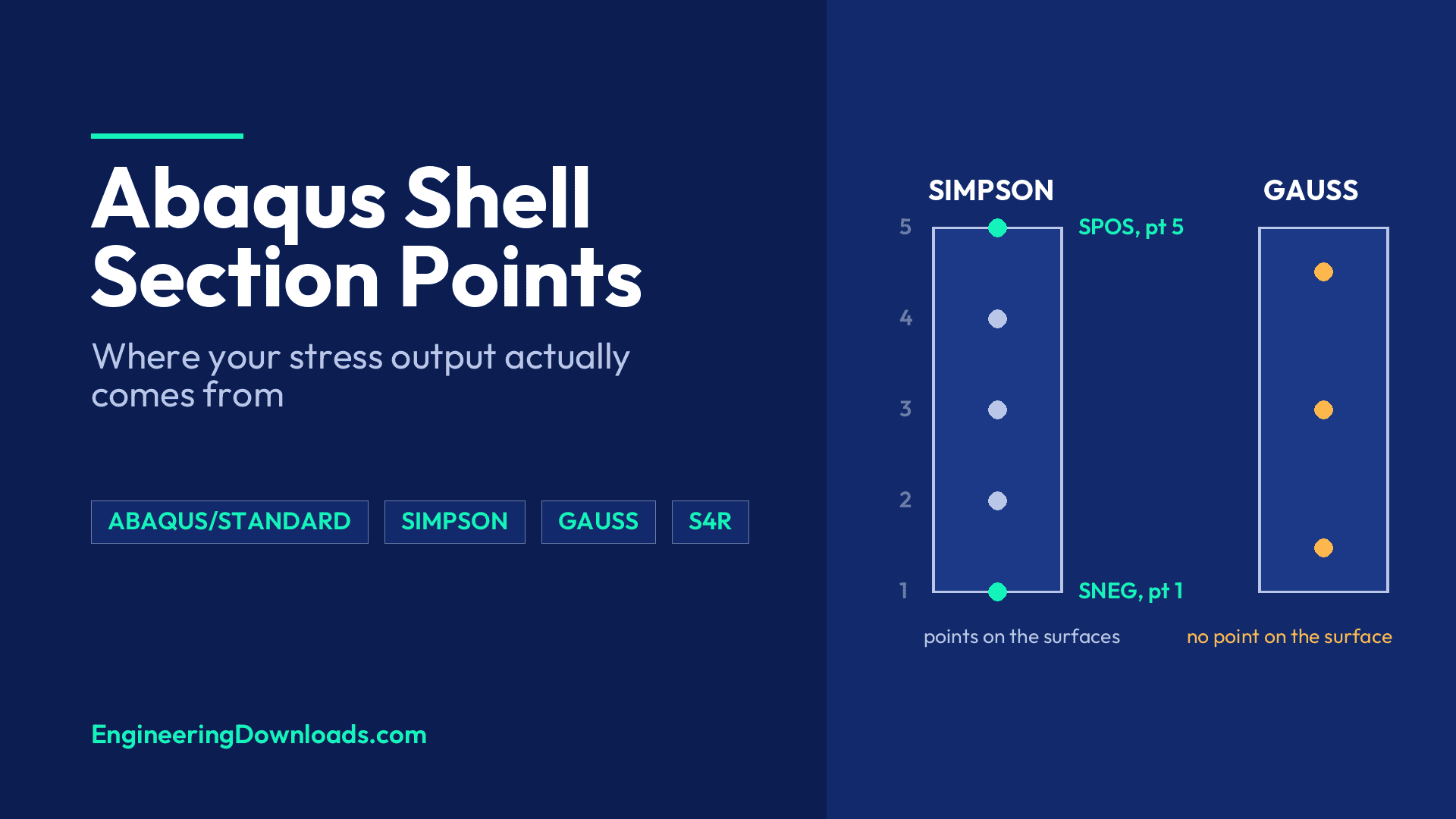
Abaqus Shell Section Points: Where Your Stress Output Comes From
What Abaqus shell section points are, the defaults you never chose, Simpson vs Gauss, SNEG and SPOS, and how to request the output location you actually need.
Abaqus NLGEOM On or Off: When Geometric Nonlinearity Changes Your Answer
What the Abaqus NLGEOM switch really does, why Standard and Explicit have opposite defaults, and how to decide which of your two answers to trust.

Featured Blogs

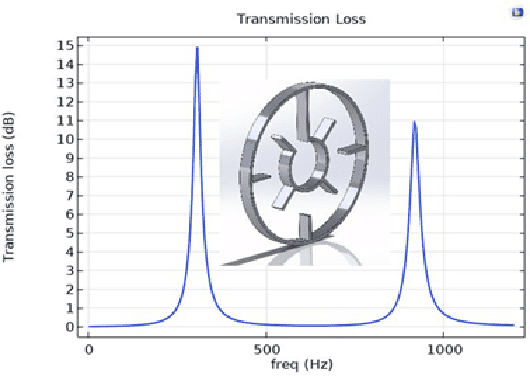
Acoustic metamaterials for advanced sound control and noise reduction
Acoustic Metamaterials and Metasurfaces: Shaping the Future of Sound Control

Intro Acoustic metamaterials and acoustic meta surfaces are changing how we control sound waves. These specially designed structures go beyond the limits of traditional soundproofing. They offer new ways to control sound, such as reducing noise over a wide frequency

OpenSees software simulation of nonlinear seismic response in a reinforced concrete frame
OpenSees for Structural Analysis

OpenSees (Open System for Earthquake Engineering Simulation) is an open-source software framework developed primarily for nonlinear structural and geotechnical analysis, with a strong emphasis on earthquake engineering. Developed at UC Berkeley’s Pacific Earthquake Engineering Research Center (PEER), it provides a

Abaqus or ANSYS : Which one is better?
Which one is better? Abaqus or ANSYS?

As an engineer, we need to build a model to simulate a process so we can save many and reduce processing time. For this aim, we need to use conventional solvers such as Abaqus, ANSYS, Solidwork (I know, Solidwork solver

See more

Latest Blogs

Abaqus Integration Point vs Nodal Stress: Why Peaks Differ
Compare integration-point, element-nodal and unique-nodal stress in Abaqus, and check whether a contour peak depends on extrapolation, averaging or mesh size.
Abaqus Linear Perturbation vs General Step: What Actually Changes

You run a frequency extraction after a static step and the frequencies come out the same whether or not the part had yielded. You run a static linear perturbation step and the reaction force is a fraction of what you

Harmonic Response Analysis in ANSYS Workbench: A Practical Guide
How to set up harmonic response analysis in ANSYS Workbench: modal link, frequency range, solution method, damping, loads and results, plus the common mistakes.

See more

All articles

Plane strain - plain stress
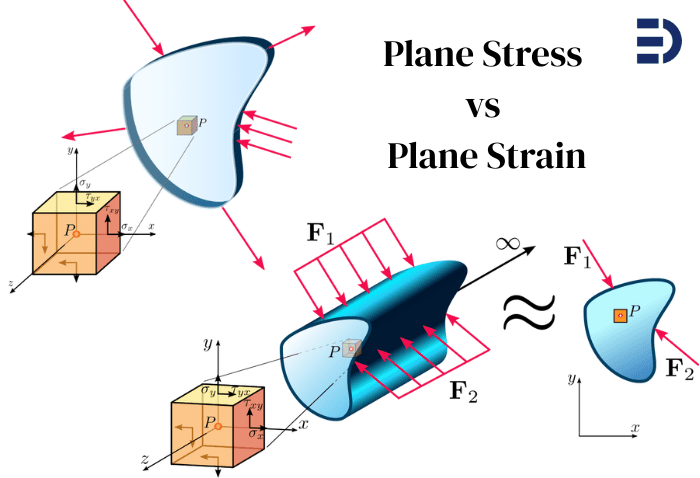
Plane Stress vs Plane Strain Explained

Have you ever faced a complex 3D stress analysis and wondered if there’s a way to simplify it? Finite element analysts often ask this question, especially when plane stress or plane strain assumptions might apply. These two concepts allow us

FEA Modeling of Steel and Concrete Columns
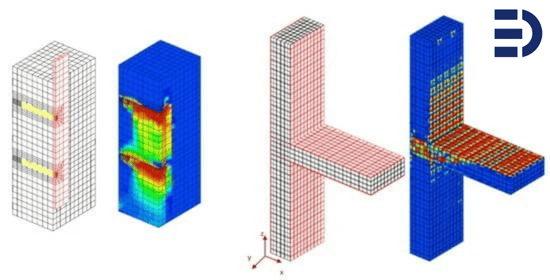
Steel and Concrete Columns Simulation in Finite Element Analysis (FEA)

Columns are the backbone of many structures. they support roofs, floors, and beams, keeping buildings and bridges standing strong. In construction, steel and concrete are two primary materials for columns. Each has its advantages: steel is extremely strong and ductile

Stress Strain Curve
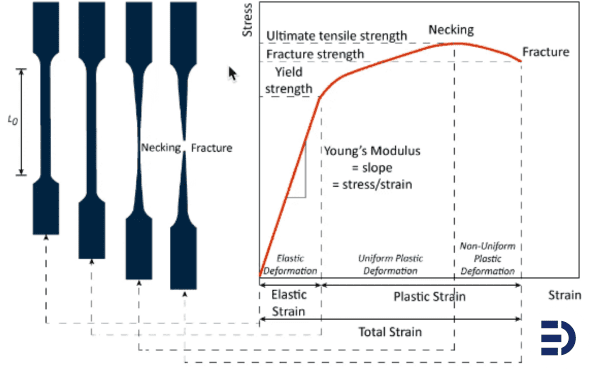
Stress Strain Curve Explained | A Beginner’s Guide

The stress strain curve is a fundamental concept in engineering and material science that shows how a material deforms under load. It plots stress (internal force per unit area) against strain (relative deformation). By analyzing this curve, engineers can understand

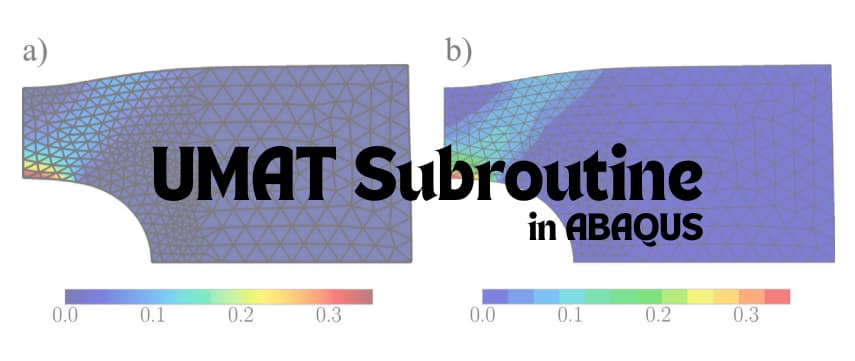
UMAT subroutine
Introduction to UMAT Subroutine in Abaqus

In many engineering projects, the built-in material models in Abaqus are not enough for capturing complex material behavior. This is where user-defined material subroutines come into play. Abaqus allows advanced users to write their own material model through a User

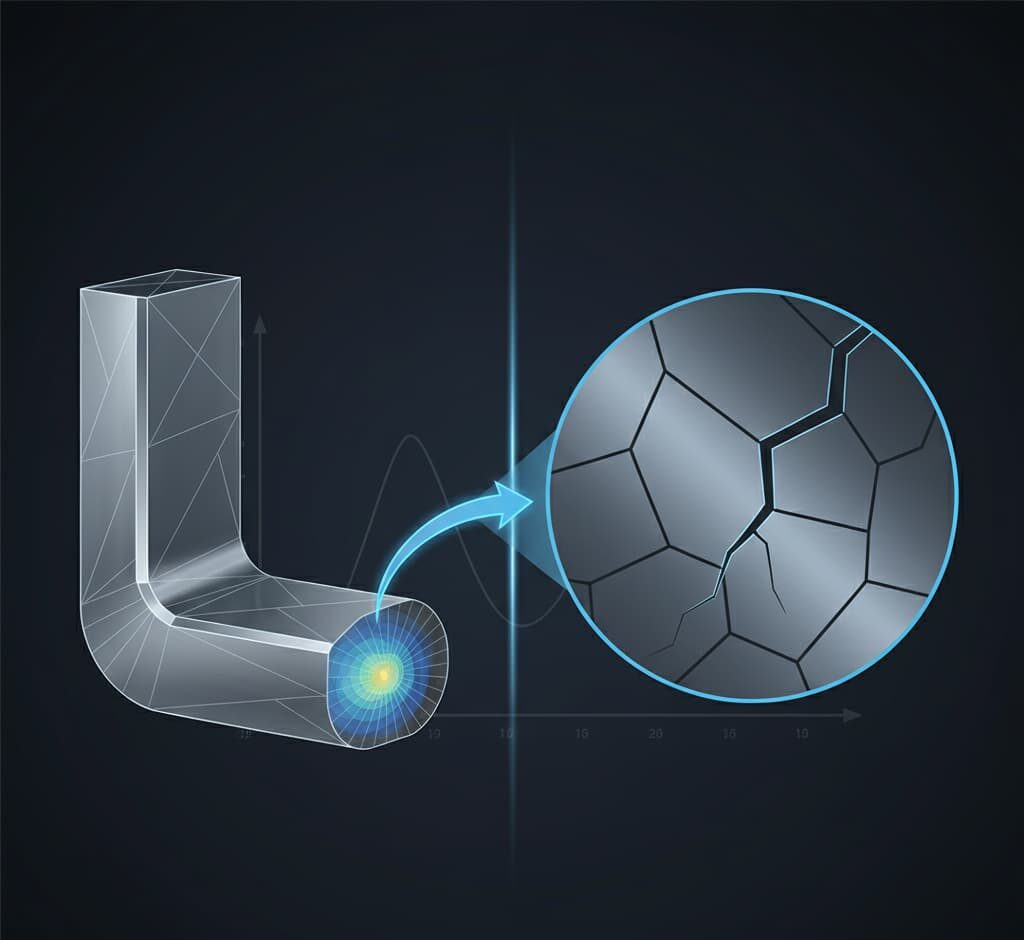
Engineering with Cracks: Fracture Mechanics for ASME Design and FFS Using Abaqus, Ansys & COMSOL

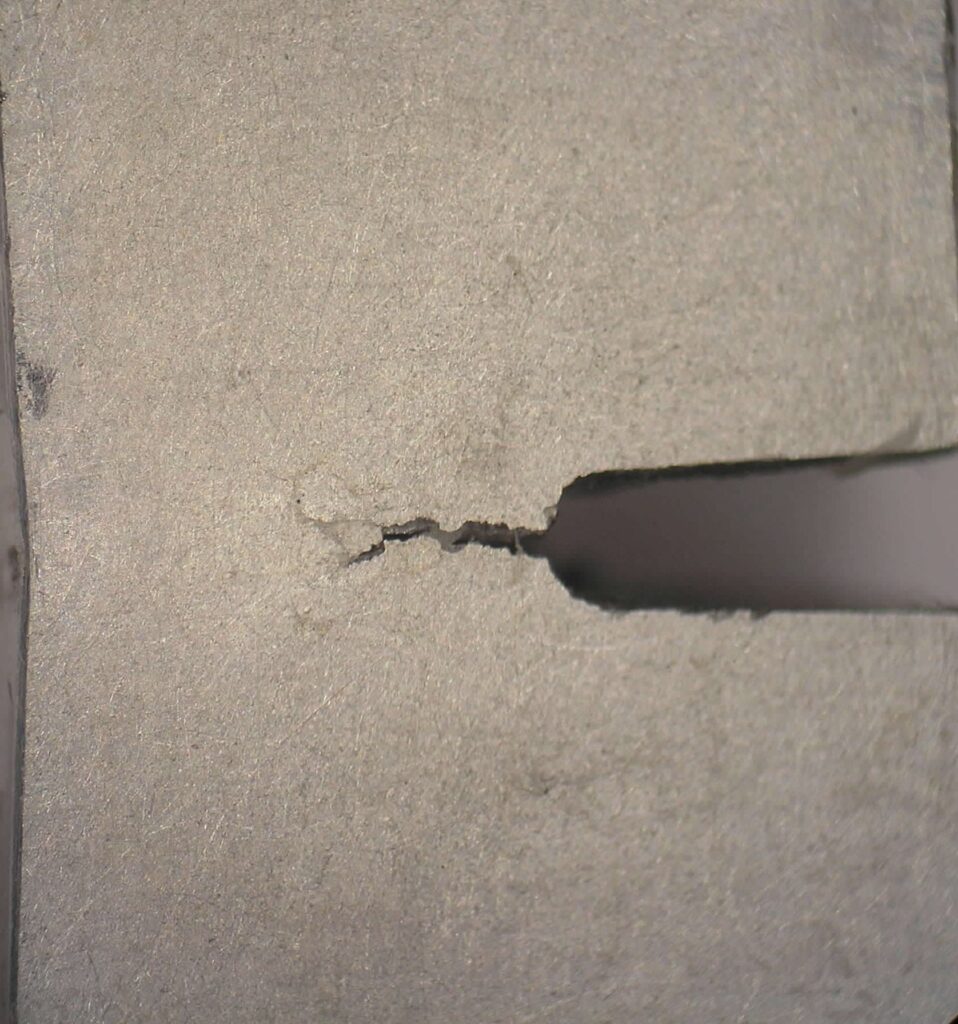
Introduction to Fracture Mechanics in FFS and ASME Design (with Abaqus, Ansys & COMSOL) Did you know a tiny crack in a large pressure vessel or pipeline can lead to sudden failure, even if the overall stress is well below

Fracture Mechanics Explained: Concepts, Software Applications, and Simulation Insights
Everything Engineers Need to Know About Fracture Mechanics and Simulation

Fracture Mechanics Explained: Concepts, Software Applications, and Simulation Insights By Saman Hosseini, Fracture Simulation Expert Hello! I’m Saman Hosseini, and I’ve spent years working on fracture mechanics simulation projects. In this post, I’ll walk you through the core concepts of

Continuum Damage Mechanics
Life Assessment and Creep Damage Analysis of Welded Components

Life Assessment and Continuum Damage Creep Analysis of Welded Components By: Saman Hosseini – Expert in creep welding simulation, fatigue, and FFS Level 3 assessments. Introduction Imagine a high-pressure steam pipe in a power plant, with countless welded joints, all

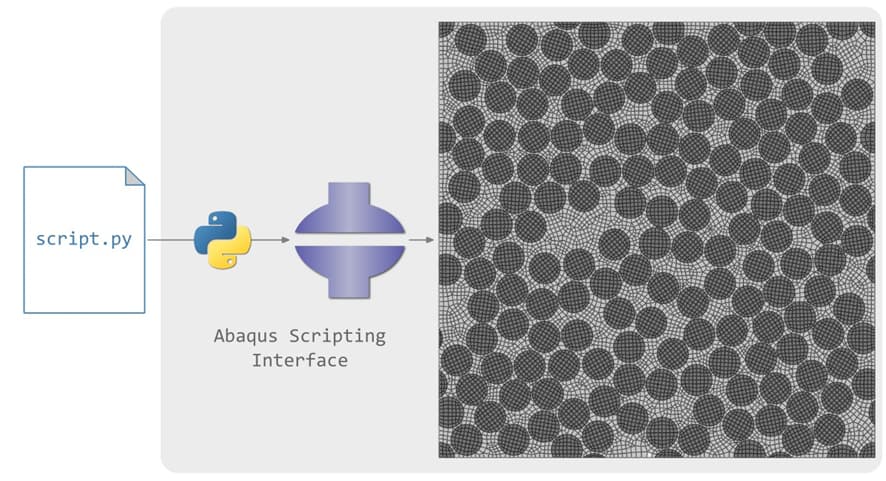
python scripting in abaqus
Master Python Scripting in Abaqus: Automate Your CAE Workflows

If you’re still setting up every simulation by hand, you’re missing out on huge time savings. Modern CAE tools let Python scripts orchestrate the whole workflow – geometry, mesh, solver setup and post-processing – as one seamless pipeline. In fact,

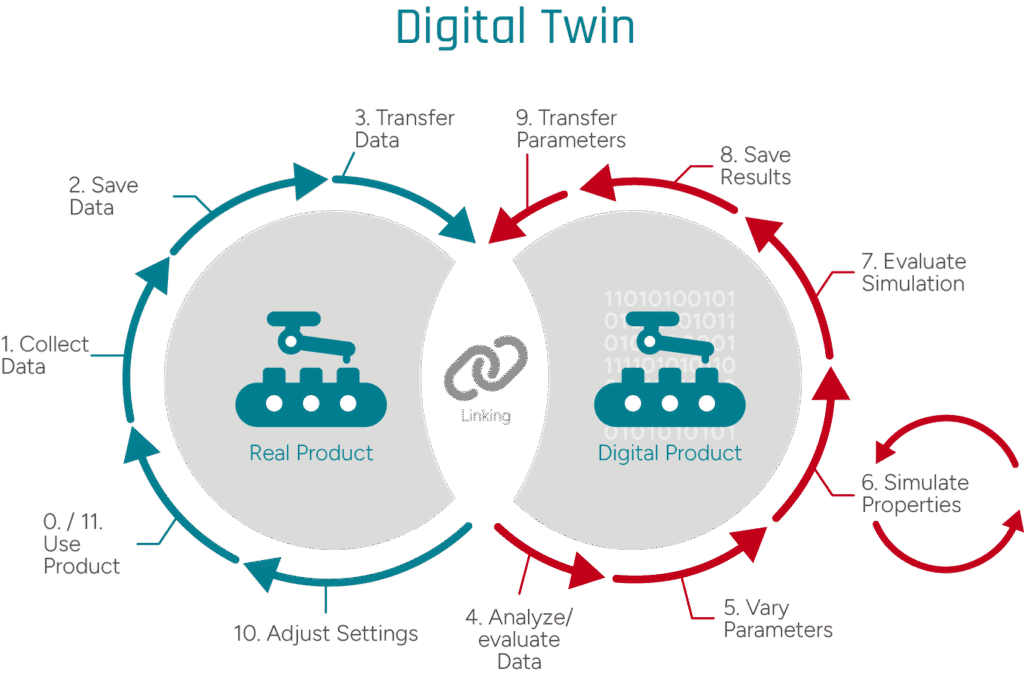
Digital Twins in Engineering Simulation: Transforming CAE & FEA
Digital Twin in Engineering Simulation: Transforming CAE & FEA

Introduction: Bridging Physical and Virtual Worlds in Engineering Imagine if every physical machine or product you design had a living virtual copy that evolves alongside it, predicting issues before they occur and optimizing performance in real-time. This is the promise

Computer Aided Engineering - CAE
How to Become a CAE Engineer and Earn Money with FEA Projects

Introduction Computer-Aided Engineering (CAE) – especially Finite Element Analysis (FEA) – is at the heart of modern product development. From cars and aircraft to electronics and buildings, virtually every industry uses CAE simulations to test and optimize designs before anything

Fatigue analysis
Fatigue Life Prediction in FEA – A Comprehensive Guide (ANSYS, Abaqus, fe-safe & More)

Introduction Fatigue failure is one of the most common causes of unexpected breakdowns in engineering structures subjected to cyclic loading. Even when stresses are well below a material’s yield or ultimate strength, repeated load cycles can initiate small cracks that

Additive Manufacturing & Welding Simulation in FEA: A Comprehensive Guide

Additive manufacturing (often called 3D printing) and traditional welding are both processes that involve melting and fusing material. These processes offer incredible possibilities (from printing intricate medical implants to welding critical oil-and-gas pipelines), but they also introduce challenges like residual

See more